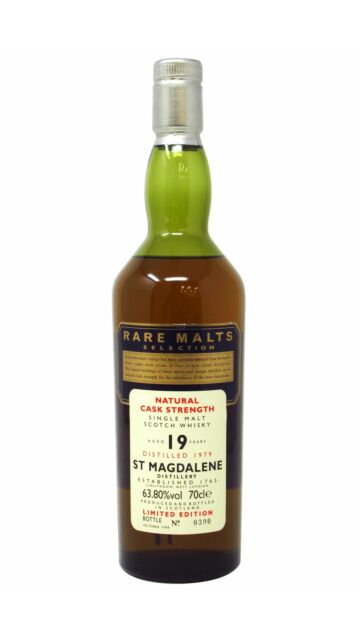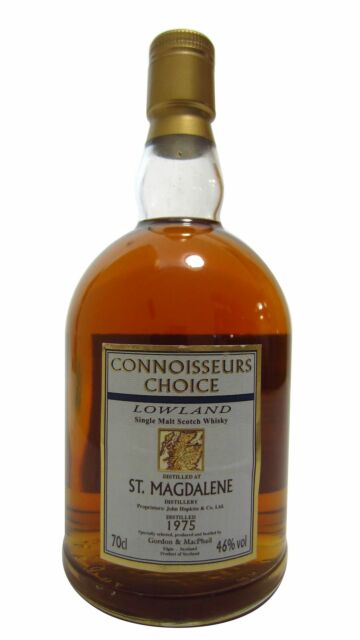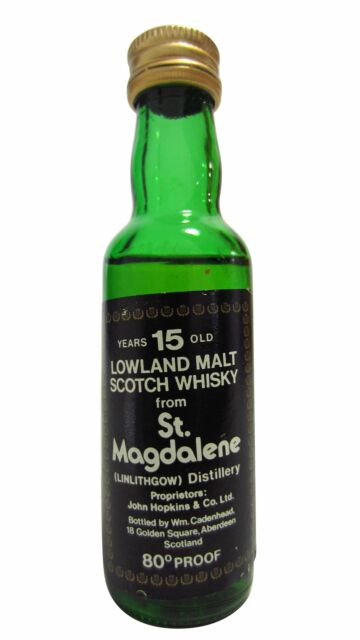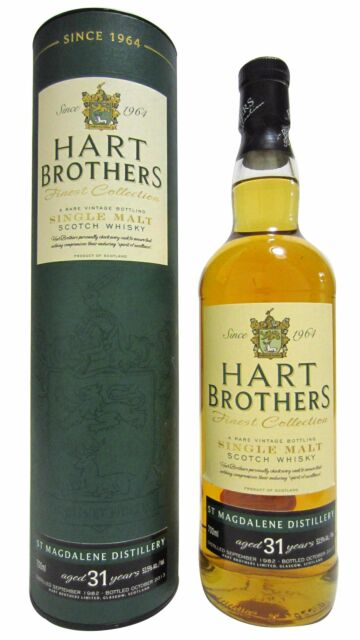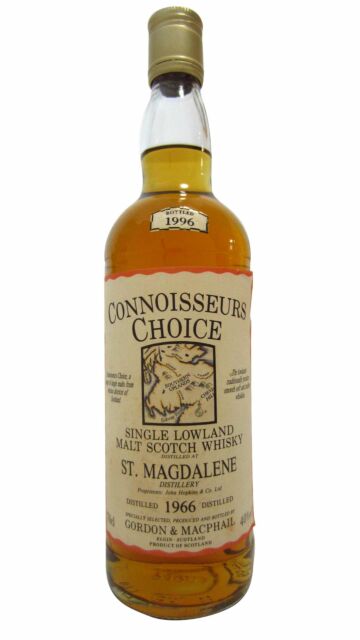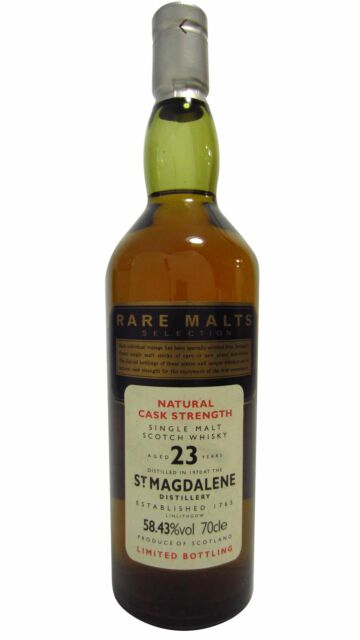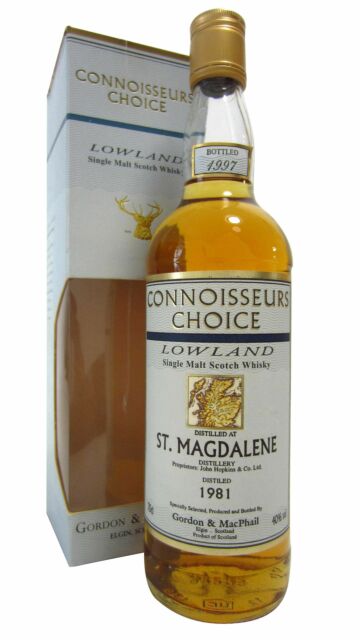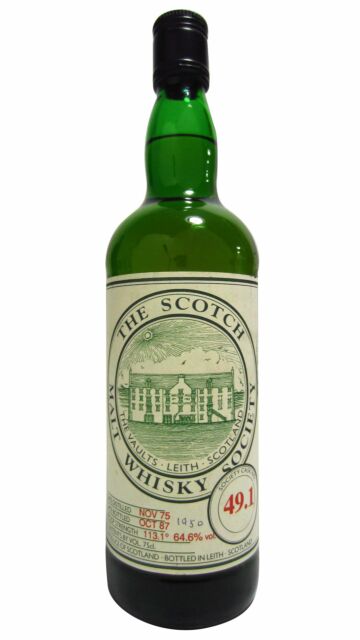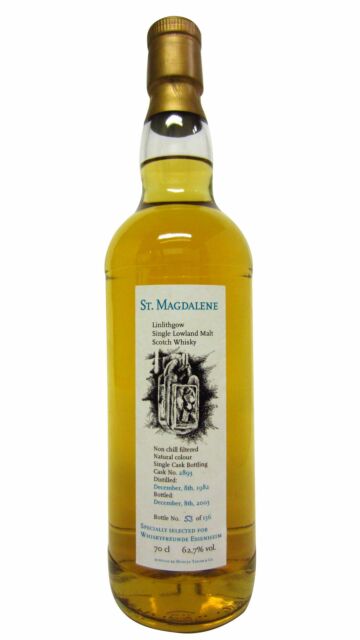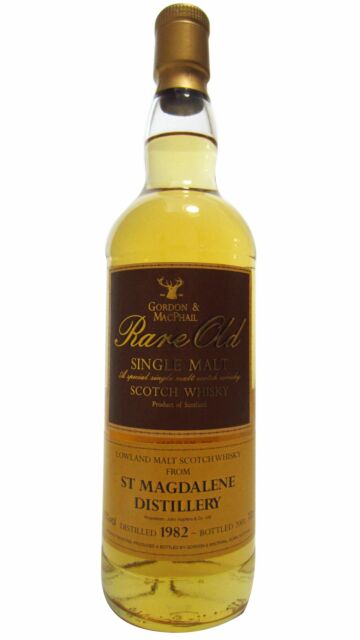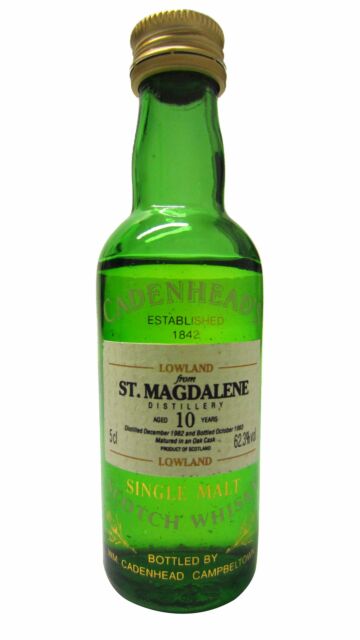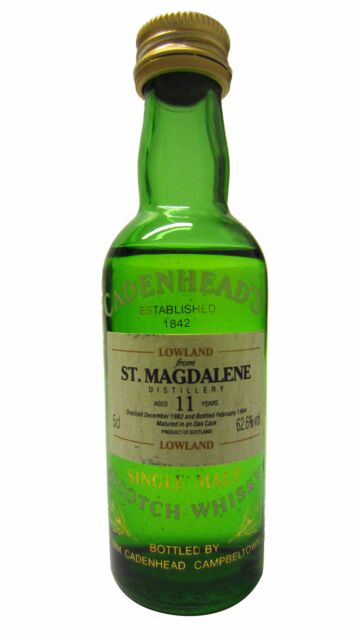





















St. Magdalene (silent)
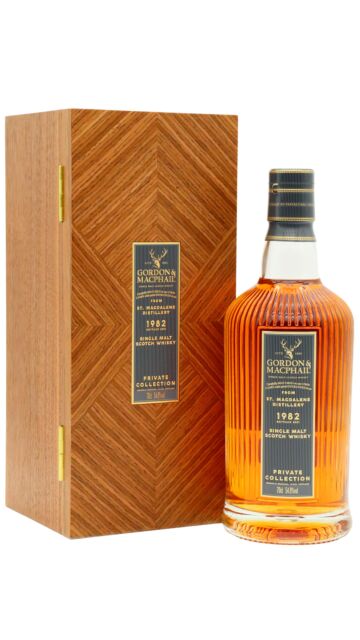
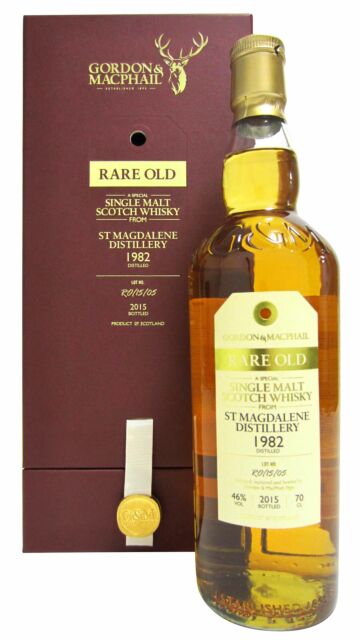
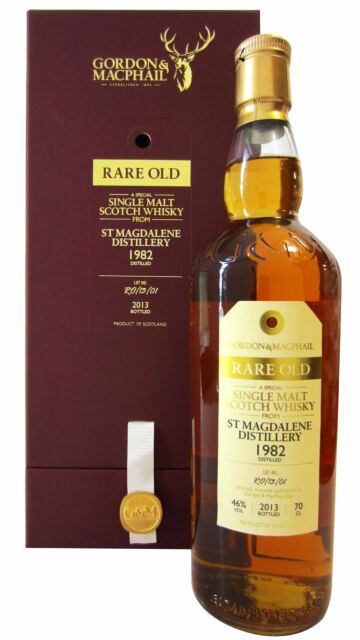
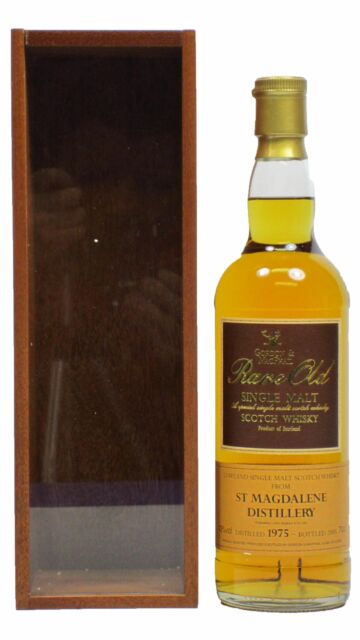
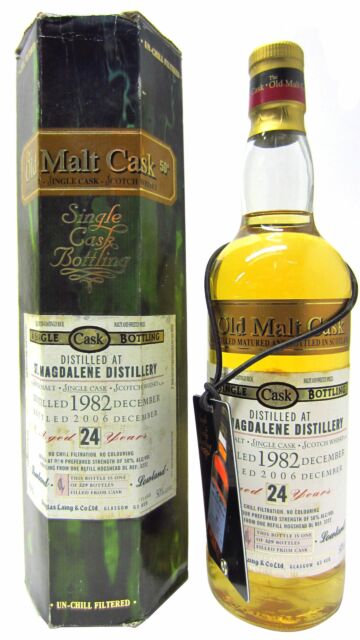
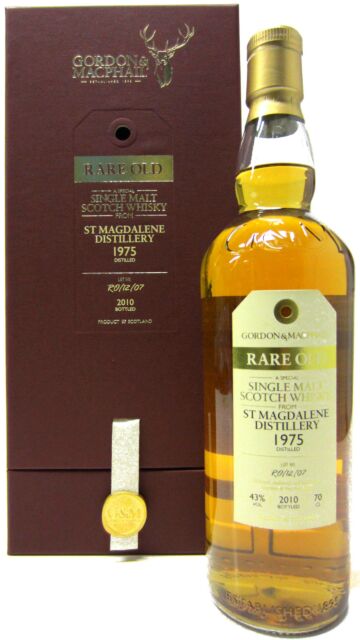
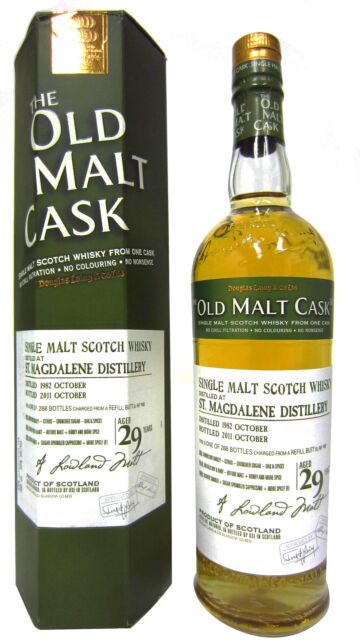
(saint MAG-da-leen) St Magdalene was established in Linlithgow in the 18th century and became closely associated with the Dawson family after Adam Dawson bought the distillery around 1798. It later absorbed the nearby Bonnytoun distillery in 1826, and for part of its history it was also known as Linlithgow.
(saint MAG-da-leen) St Magdalene was established in Linlithgow in the 18th century and became closely associated with the Dawson family after Adam Dawson bought the distillery around 1798. It later absorbed the nearby Bonnytoun distillery in 1826, and for part of its history it was also known as Linlithgow.