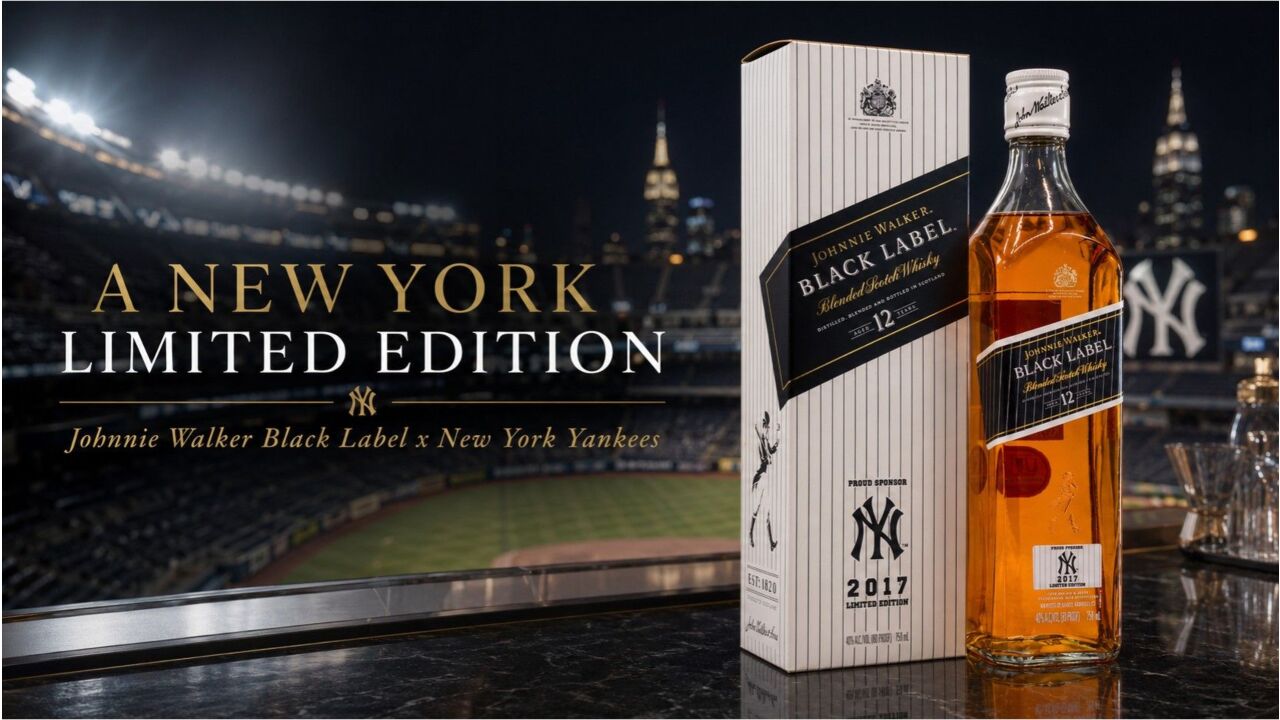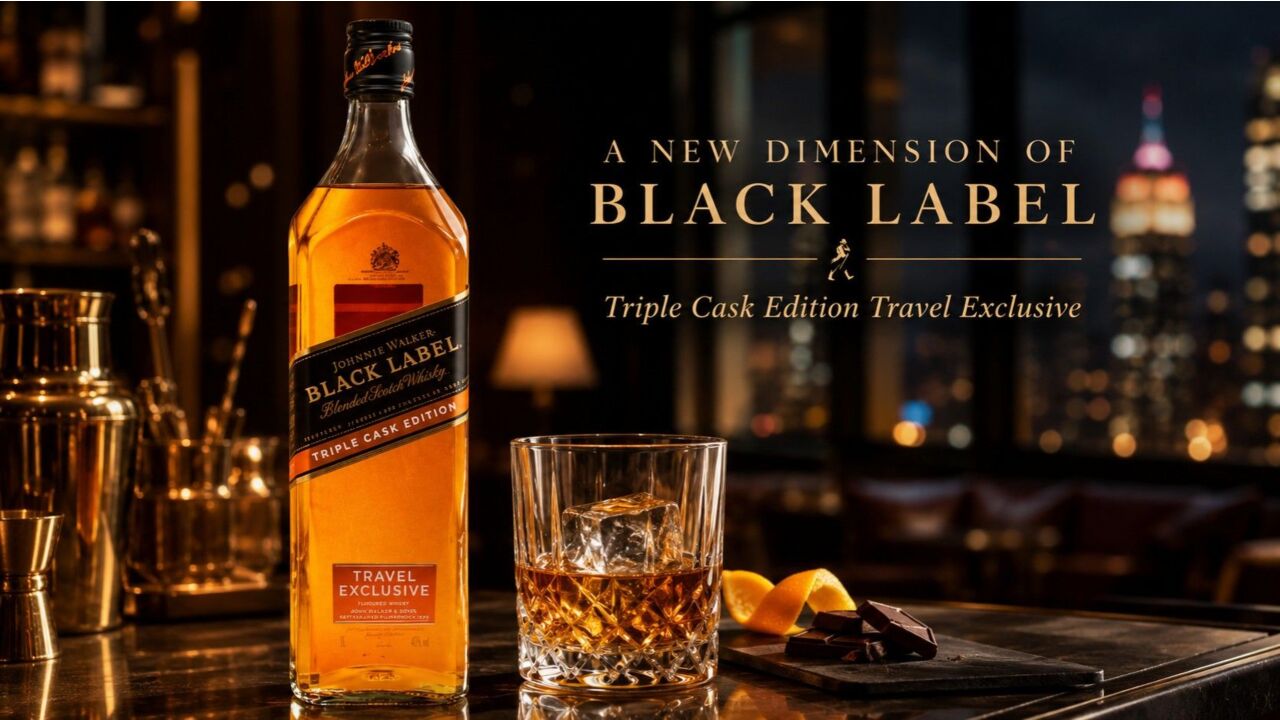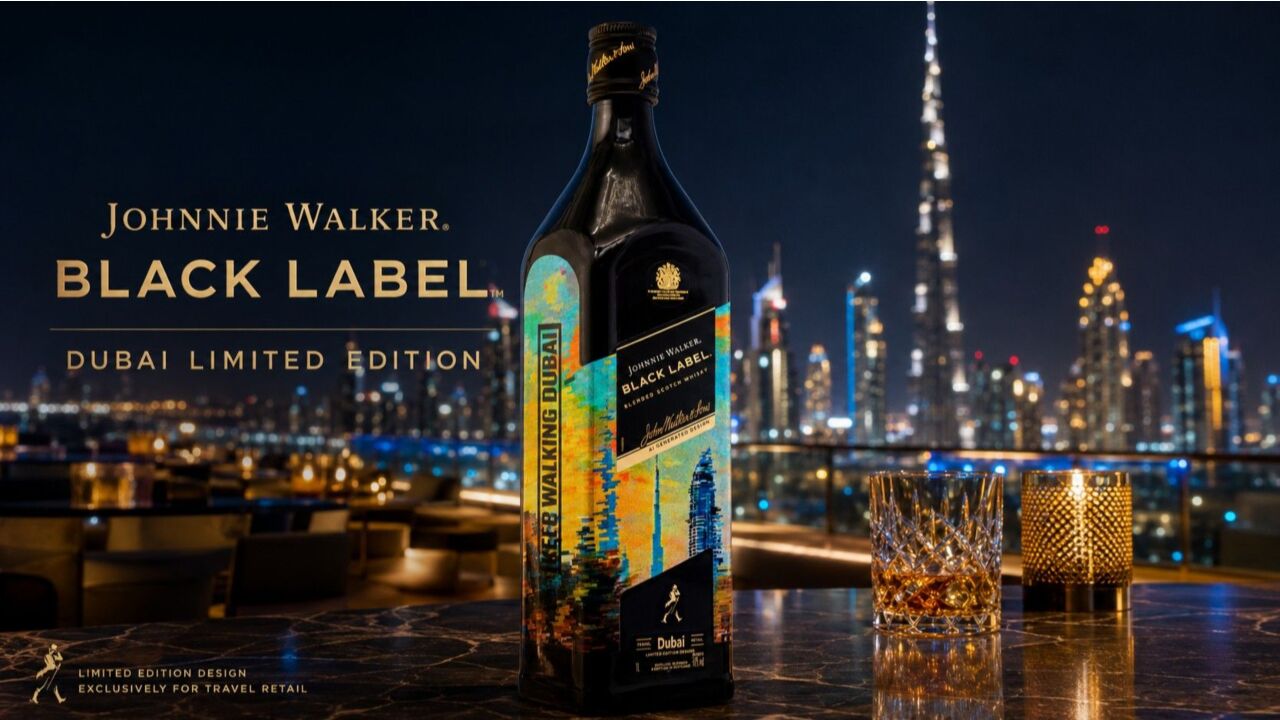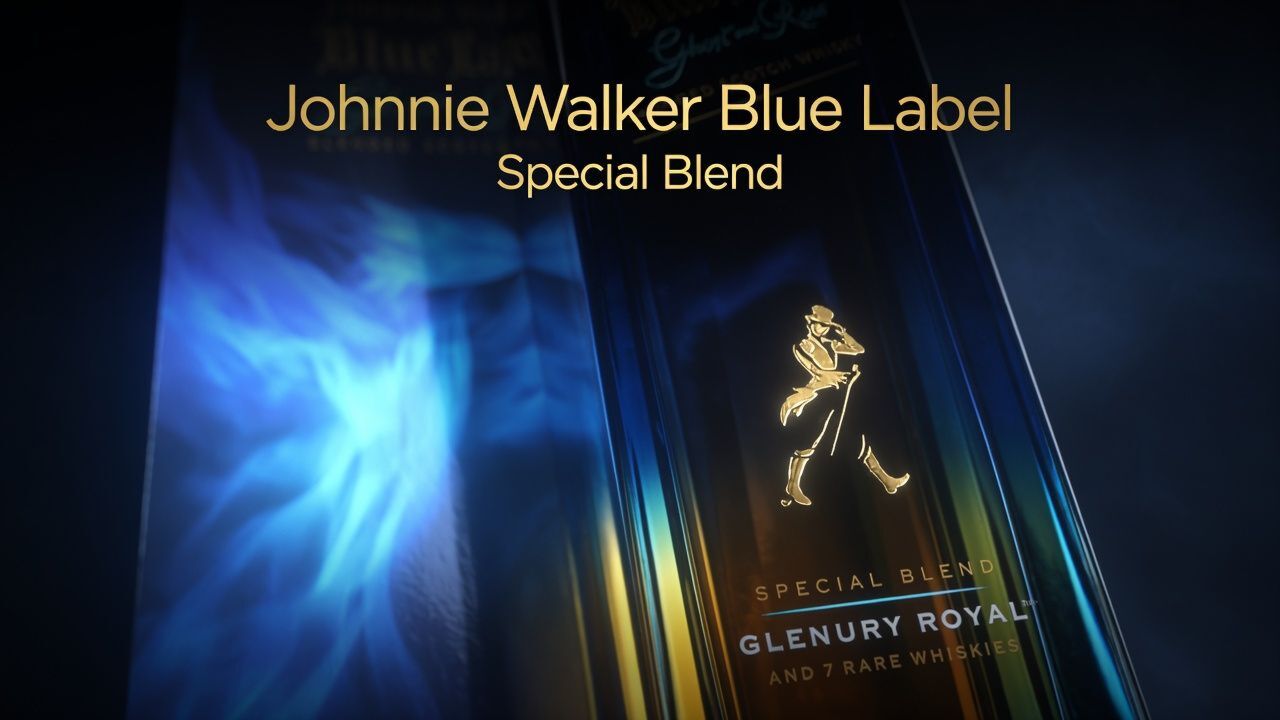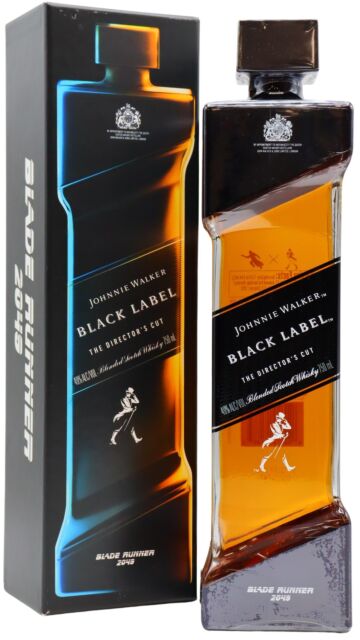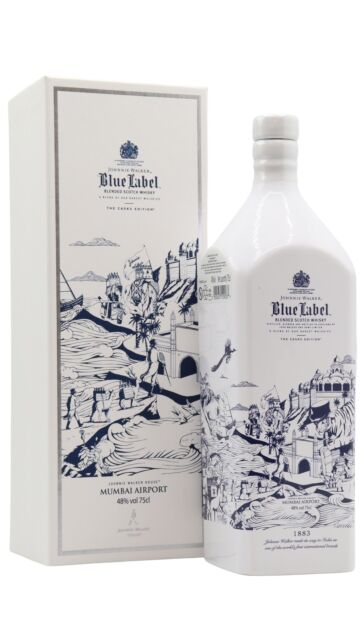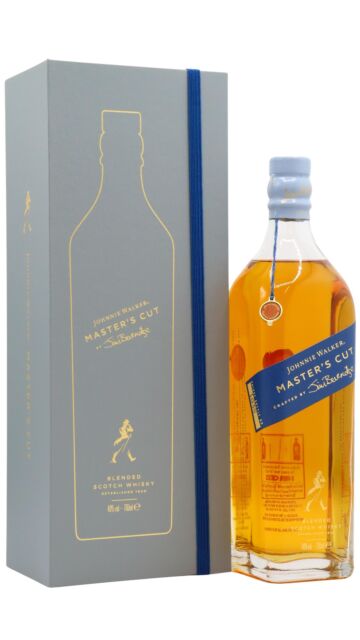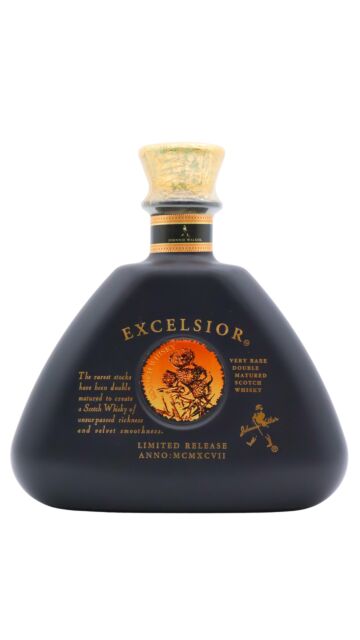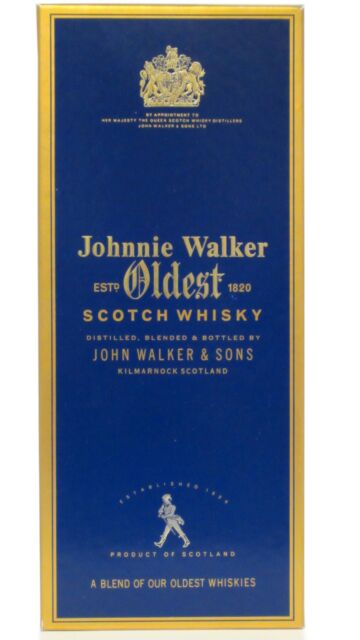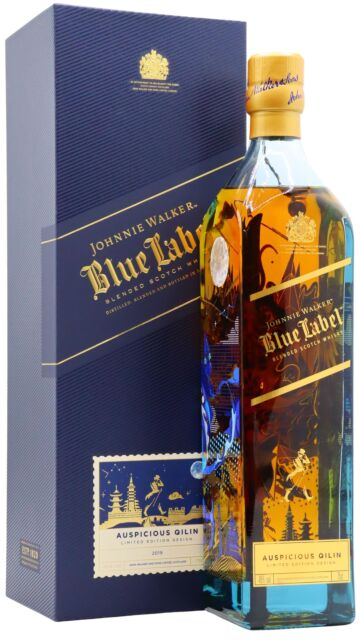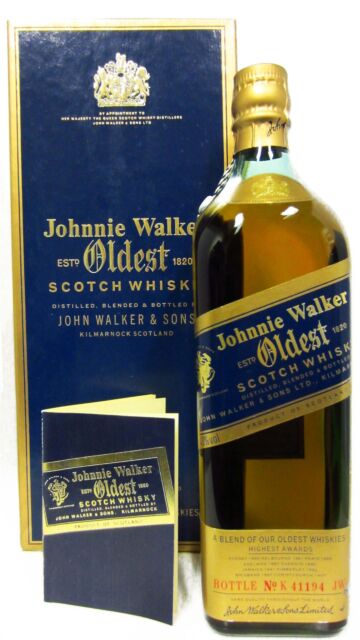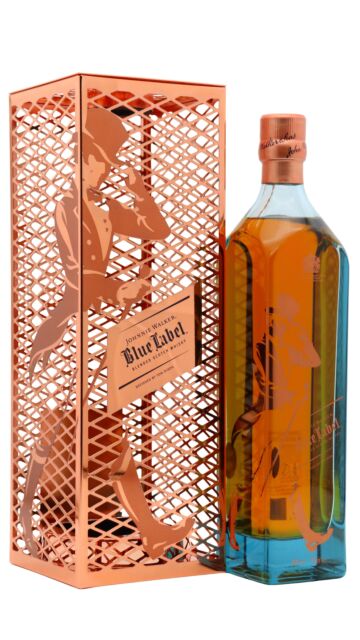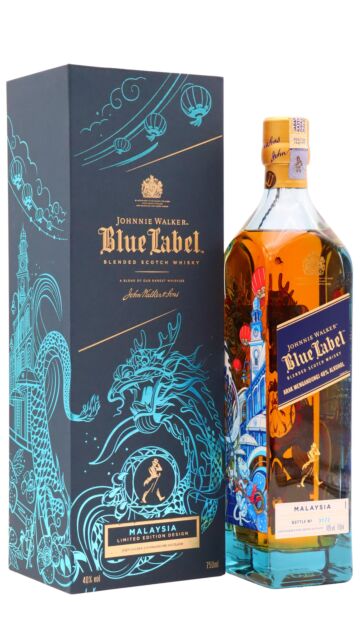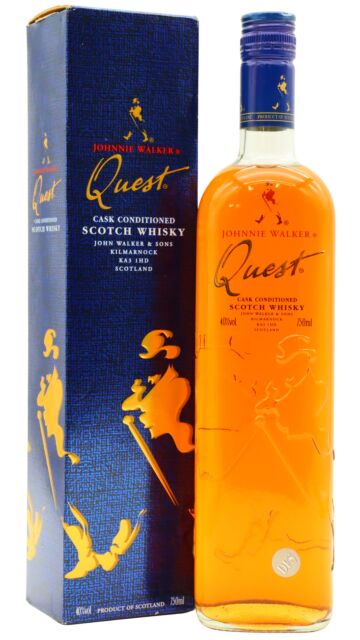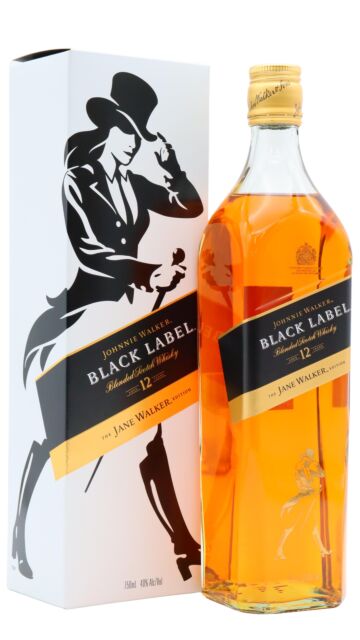













Few names in the world of spirits are recognised quite like Johnnie Walker.
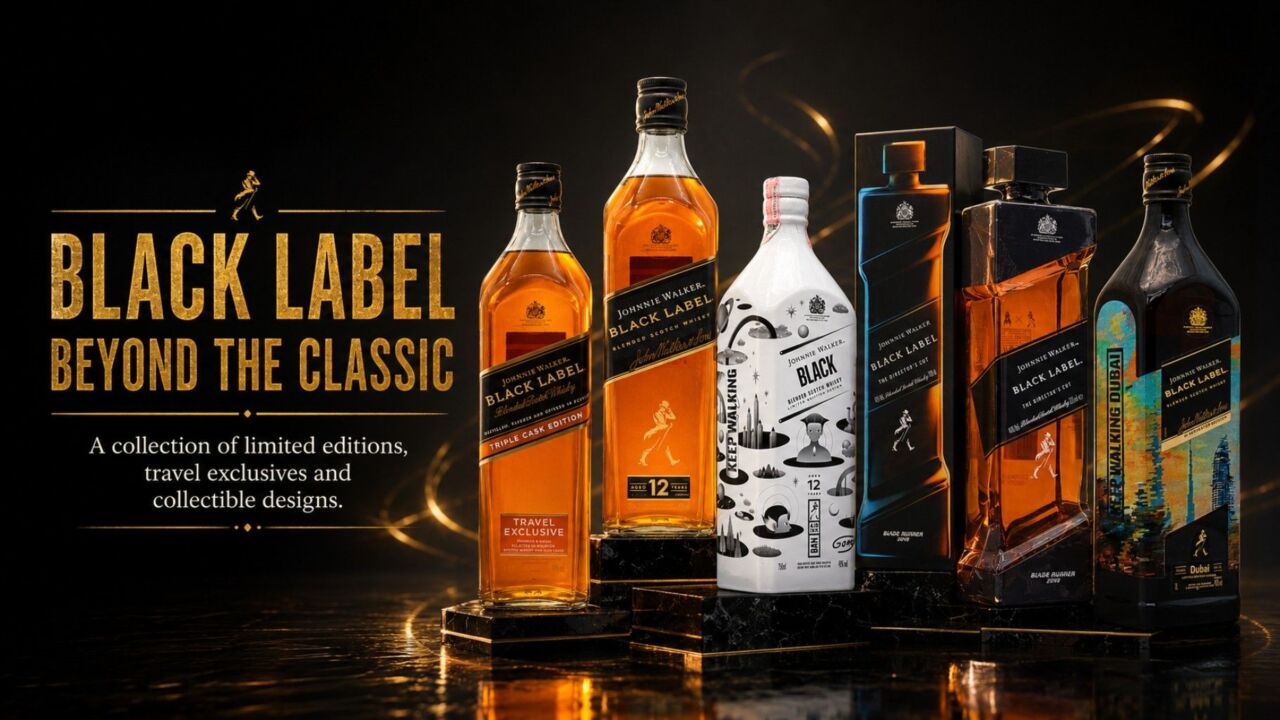
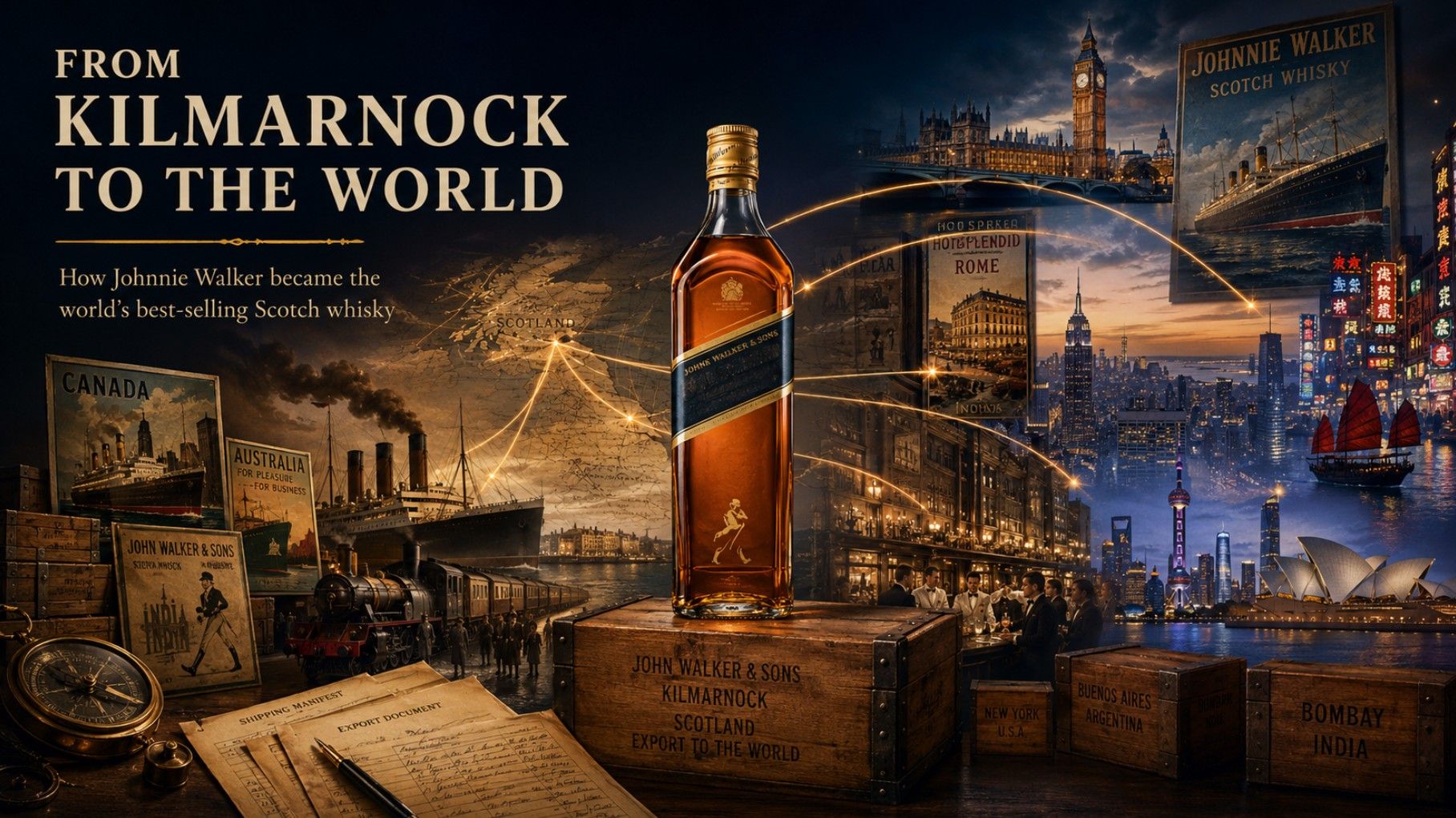
Whether you're ordering a whisky in New York, Tokyo, London or Sydney, chances are you'll find the familiar square bottle sitting proudly behind the bar. The famous Striding Man, the distinctive slanted label and the colour-coded range of Red, Black, Green, Gold and Blue Labels have become symbols of quality recognised across more than 180 countries.
Today, Johnnie Walker is the world's best-selling Scotch whisky, selling millions of cases every year and representing more than two centuries of Scottish craftsmanship. Yet the story didn't begin in a grand distillery or ancient castle. It started in a small grocery shop in the Ayrshire town of Kilmarnock, where one young merchant's obsession with consistency would ultimately change Scotch whisky forever.
From pioneering blending techniques and revolutionary packaging to luxury limited editions like Johnnie Walker Blue Label Elusive Umami and the celebrated Ghost & Rare series, this is the complete history of one of Scotland's greatest whisky success stories.
If you're looking to explore the range as you read, you can browse the complete Johnnie Walker collection available at Hard To Find Whisky.
Humble Beginnings: John Walker's Grocery Shop
A Young Entrepreneur in Kilmarnock
The Johnnie Walker story begins in 1820, although at this point there was no Johnnie Walker whisky.
When John Walker's father died, the family's farm was sold, leaving the fourteen-year-old with a modest inheritance. Rather than continuing in agriculture, Walker made a bold decision that would ultimately reshape the whisky industry.
He opened a grocery shop on the High Street in Kilmarnock, selling tea, spices, wines and spirits to local customers.
At first glance, it looked like any other Scottish grocer.
Behind the counter, however, John Walker was developing a skill that would eventually define one of the world's most successful drinks brands.
Learning the Art of Blending
In the early nineteenth century, tea merchants commonly blended leaves from different regions to create a consistent flavour.
One shipment might arrive stronger than another. Another might be more floral or earthy.
Rather than selling each tea individually, skilled grocers blended them together to produce a signature house style.
John Walker became exceptionally good at this.
Customers returned because they knew exactly what they were getting.
That idea—creating absolute consistency through expert blending—would later become the cornerstone of Johnnie Walker whisky.
It's remarkable that one of the defining principles of modern Scotch whisky didn't begin in a warehouse or cooperage, but behind the counter of a grocery shop.
Scotch Whisky Before Johnnie Walker
To appreciate how revolutionary John Walker's ideas were, it's worth understanding what whisky looked like during the early nineteenth century.
Most Scotch whisky was produced by individual distilleries and sold locally.
Quality could vary enormously.
Different distilleries used different barley, different stills and different maturation methods. Even batches from the same producer could taste noticeably different.
For customers, buying whisky often meant taking a gamble.
There was no guarantee the next bottle would taste anything like the last.
Walker recognised something others hadn't.
Consistency created trust.
And trust created loyal customers.
Alexander Walker Changes Everything
A New Generation Takes Control
When John Walker died in 1857, responsibility for the family business passed to his son, Alexander Walker.
Where John had been an exceptional merchant, Alexander proved to be an extraordinary businessman.
He recognised that whisky—not groceries—represented the future of the company.
Rather than simply continuing the family shop, he transformed the business into a dedicated whisky merchant focused on producing consistent, high-quality blends.
His timing couldn't have been better.
The Spirits Act of 1860
One of the most important moments in Scotch whisky history came with the passing of the Spirits Act of 1860.
The legislation legally permitted merchants to blend single malt whiskies with grain whisky.
This changed everything.
Grain whisky provided a lighter, smoother foundation, while carefully selected malt whiskies added character, fruit, smoke and richness.
Alexander Walker immediately recognised the possibilities.
Instead of relying on the unpredictable nature of individual distilleries, he could create whiskies that delivered exactly the same flavour profile year after year.
It was the beginning of modern blended Scotch.
The Birth of Old Highland Whisky
In 1867, Alexander launched Old Highland Whisky, widely regarded as the direct ancestor of today's Johnnie Walker.
The blend quickly earned a reputation for reliability and quality.
Customers knew that every bottle would deliver the same balanced character.
That consistency became a defining feature of the Walker business and remains one of the reasons Johnnie Walker continues to dominate global whisky sales today.
Two Brilliant Ideas That Changed Whisky Packaging Forever
While Alexander Walker was a gifted blender, he was also a remarkably innovative marketer.
Two seemingly simple decisions would become some of the most recognisable features in the entire drinks industry.
The Square Bottle
At a time when almost every whisky bottle was round, Alexander introduced a square bottle.
It wasn't simply about appearance.
The design offered genuine practical advantages.
Square bottles packed more efficiently into wooden shipping crates, allowing more whisky to be transported with fewer breakages.
For an export-focused business, this was a significant commercial advantage.
At the same time, the shape made the bottle instantly recognisable on shop shelves.
Even today, more than 150 years later, no other whisky bottle looks quite like a bottle of Johnnie Walker.
The Famous Slanted Label
Alexander's second innovation was even more distinctive.
Rather than applying labels horizontally, he positioned them at approximately 24 degrees.
The slanted label served several purposes.
It allowed larger lettering without increasing the size of the label itself, making the bottle easier to read from across a room.
It also created a visual identity unlike anything else available at the time.
Combined with the square bottle, the angled label became one of the most successful pieces of product branding ever created.
Today, it's impossible to imagine Johnnie Walker without it.
The Birth of the Striding Man
Every great brand needs an icon.
For Johnnie Walker, that icon arrived in 1908.
During a lunch meeting with the Walker family, celebrated illustrator Tom Browne sketched a gentleman walking confidently forward on the back of a menu.
That quick drawing became The Striding Man.
It perfectly captured the optimistic, forward-looking attitude that had always defined the Walker family.
Soon afterwards came the famous slogan:
"Born 1820 — Still Going Strong."
Over the decades, the Striding Man has evolved alongside changing tastes and design trends, but his message has remained unchanged.
Progress.
Movement.
Looking forward.
Those values continue to shape Johnnie Walker's identity more than a century later.

Taking Scotch Whisky to the World
The late nineteenth century coincided with a period of extraordinary global expansion for British trade.
Railways, steamships and international commerce made exporting goods easier than ever before.
Alexander Walker and his sons embraced these opportunities.
Instead of thinking like local merchants, they thought globally.
Johnnie Walker whisky soon reached:
- Europe
- North America
- South America
- India
- Africa
- Australia
- East Asia
While many distilleries remained regional producers, Johnnie Walker became one of Scotland's first genuinely international luxury brands.
By the early twentieth century, bottles bearing the square shape and slanted label could be found in some of the world's most prestigious hotels, railway lounges and gentlemen's clubs.
The foundations had been laid for what would eventually become the world's best-selling Scotch whisky.
Why Blending Became Johnnie Walker's Greatest Strength
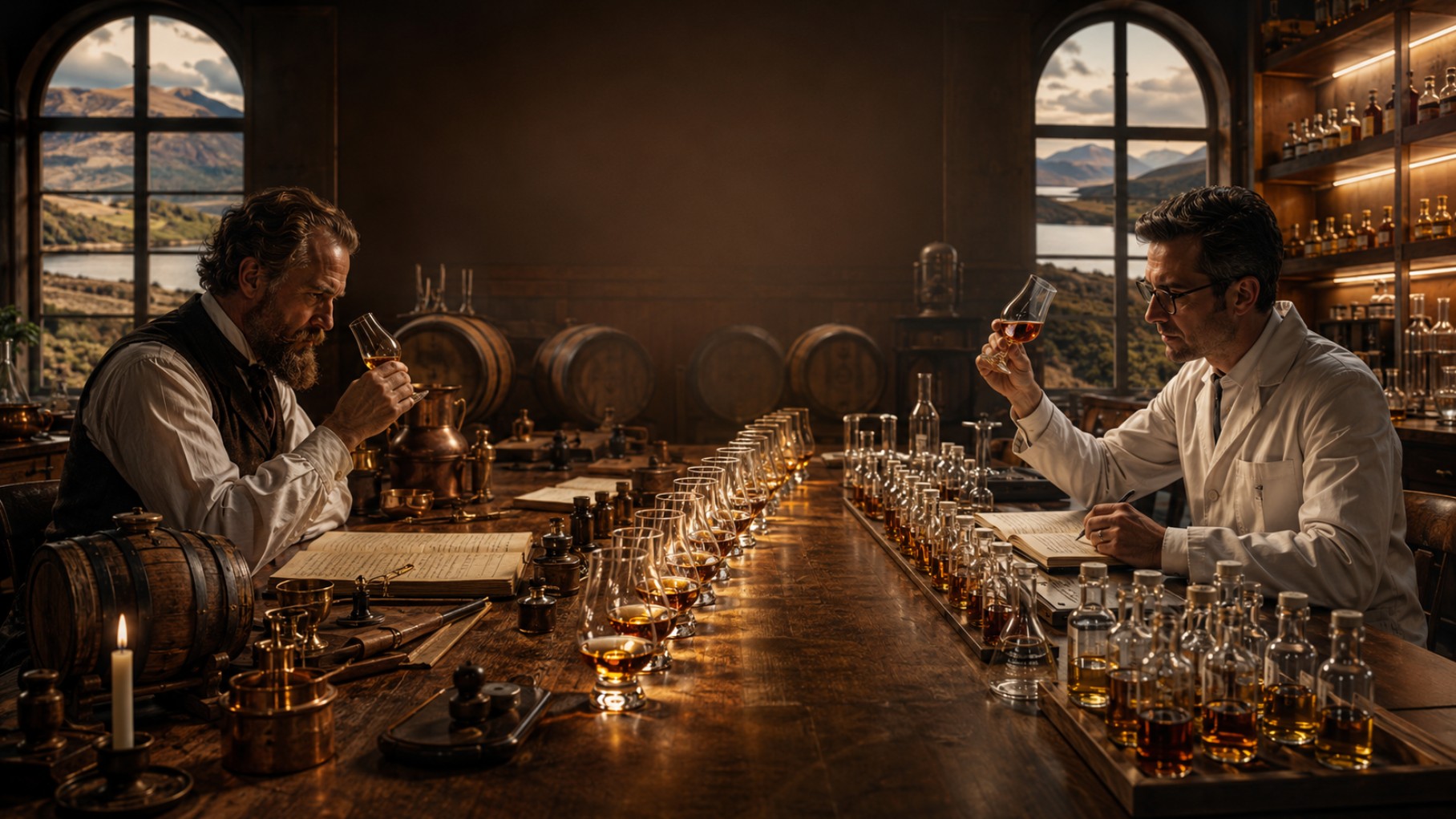
Unlike a single malt, which showcases the character of one distillery, Johnnie Walker has always celebrated the art of blending.
Master blenders carefully combine whiskies from across Scotland, selecting spirits for their individual strengths before marrying them into a harmonious whole.
A single blend may contain whiskies from Speyside, Islay, the Highlands and Lowlands, alongside carefully matured grain whisky.
Each contributes something different:
- Speyside brings orchard fruit and sweetness.
- Highland whiskies contribute richness and spice.
- Islay introduces elegant peat smoke.
- Grain whisky creates balance and approachability.
The challenge is extraordinary.
Every bottle of Johnnie Walker Black Label, whether opened today or years from now, should deliver the same unmistakable house style.
Achieving that level of consistency is one of the greatest demonstrations of blending expertise in the whisky industry—and one of the principal reasons the brand has enjoyed such enduring success.
The Birth of the Colour Labels
By the beginning of the twentieth century, Johnnie Walker's reputation had spread far beyond Scotland. The business needed a simpler, more recognisable way for customers around the world to distinguish between its different blends.
In 1909, Alexander Walker's sons, George Paterson Walker and Alexander Walker II, introduced the now-famous colour-coded range that would become synonymous with the brand.
More than a century later, these colour labels remain among the most recognisable names in the whisky industry.
Johnnie Walker Red Label
Today, Johnnie Walker Red Label is one of the world's best-selling Scotch whiskies.
Originally created as an approachable, vibrant blend, Red Label was designed to perform equally well neat, over ice or mixed into long drinks. Its lively pepper spice, fresh fruit and gentle smoky character make it exceptionally versatile, helping introduce millions of people to Scotch whisky every year.
Unlike many blends of its era, Red Label was crafted specifically with consistency in mind. Whether purchased in Edinburgh, Singapore or New York, drinkers could expect the same unmistakable flavour profile.
Its global appeal helped establish Johnnie Walker as an everyday luxury rather than an occasional indulgence.
Johnnie Walker Black Label
If Red Label built the brand's popularity, Johnnie Walker Black Label cemented its reputation for quality.
Introduced alongside Red Label in 1909, Black Label contains only whiskies matured for a minimum of 12 years, creating significantly greater depth and complexity.
The blend combines rich Speyside fruit, Highland sweetness and elegant Islay smoke to produce one of the most balanced whiskies ever created.
Over the decades it has received countless international awards and remains one of the benchmark premium blended Scotch whiskies.
For many enthusiasts, Black Label represents the perfect balance between accessibility and sophistication, making it one of the finest introductions to premium Scotch whisky.
Johnnie Walker Green Label
Unlike most Johnnie Walker expressions, Johnnie Walker Green Label is a blended malt Scotch whisky.
Rather than including grain whisky, Green Label combines carefully selected single malts from different Scottish regions, each matured for at least 15 years.
The result is a wonderfully layered whisky where the individuality of each distillery shines through while still maintaining the elegant balance expected from Johnnie Walker.
Fresh herbs, orchard fruit, vanilla, oak and gentle smoke make Green Label a favourite among enthusiasts looking for a more malt-driven style.
Johnnie Walker Gold Label Reserve
Designed to celebrate moments worth remembering, Johnnie Walker Gold Label Reserve offers a richer, creamier interpretation of the Walker house style.
Built around whiskies selected for their honeyed sweetness and silky texture, Gold Label delivers notes of vanilla, toffee, dried fruit and gentle spice with remarkable smoothness.
Its luxurious style has made it particularly popular for gifting, celebrations and premium cocktails.
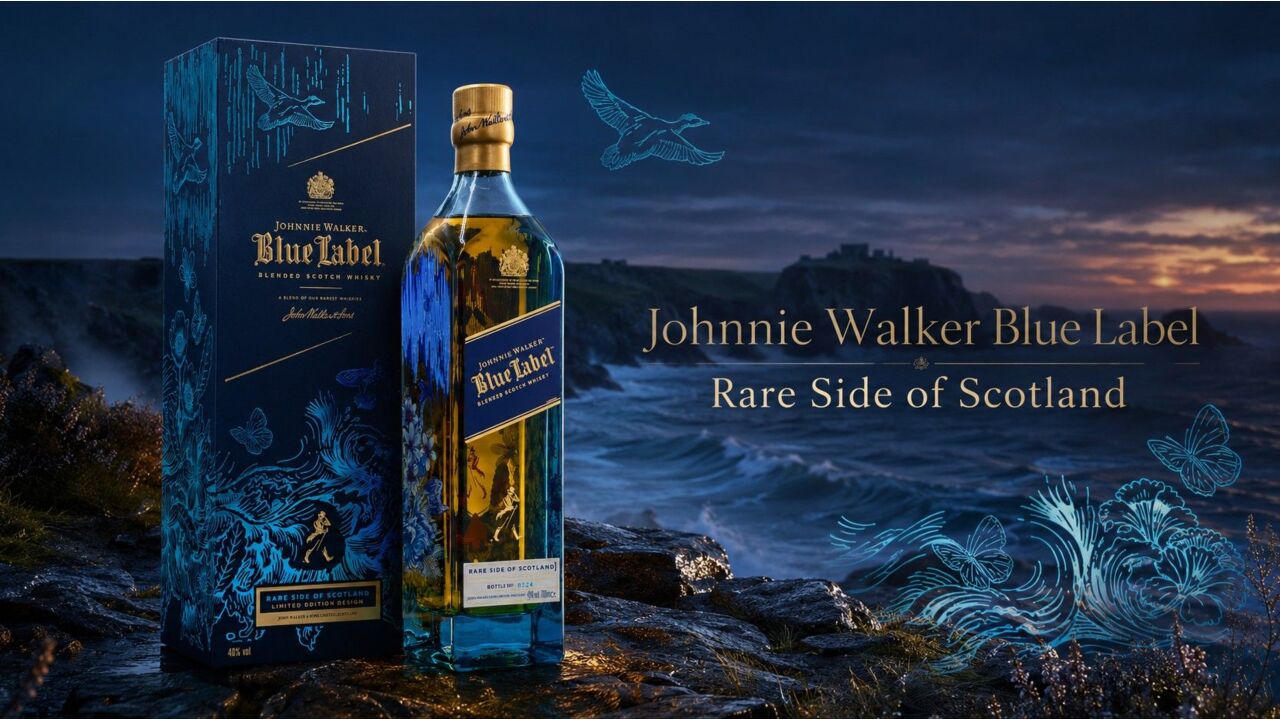
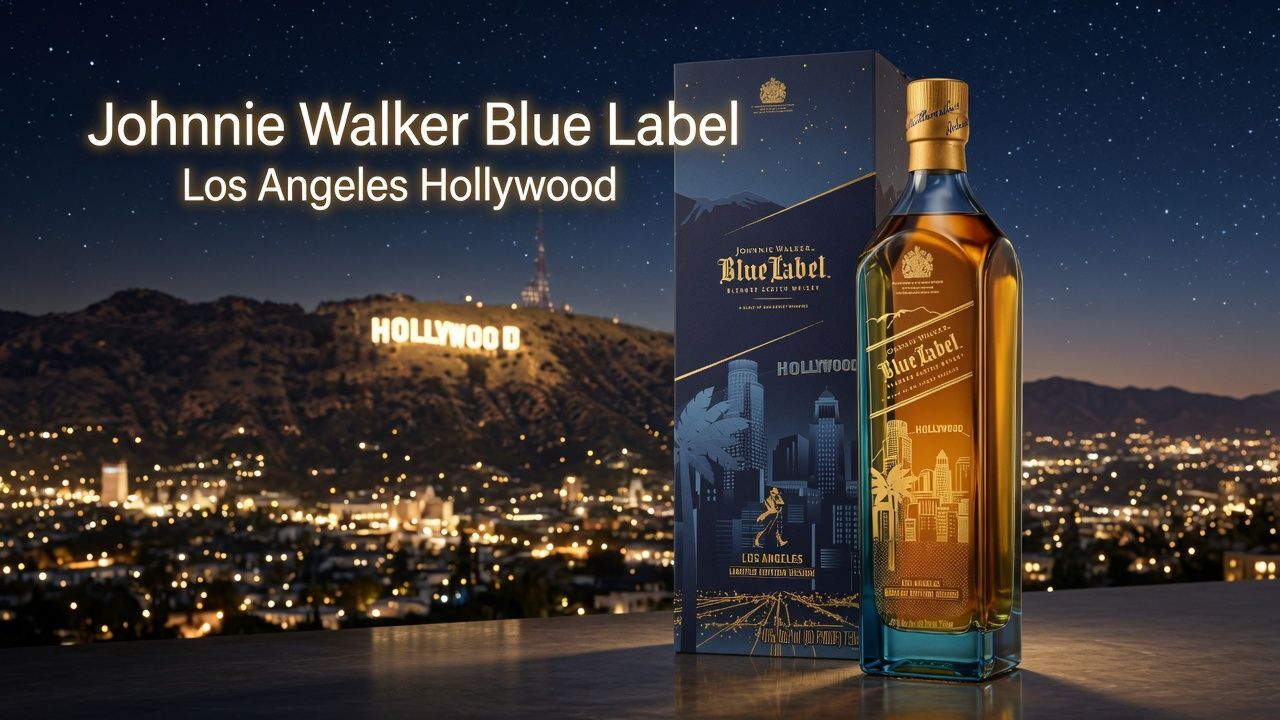
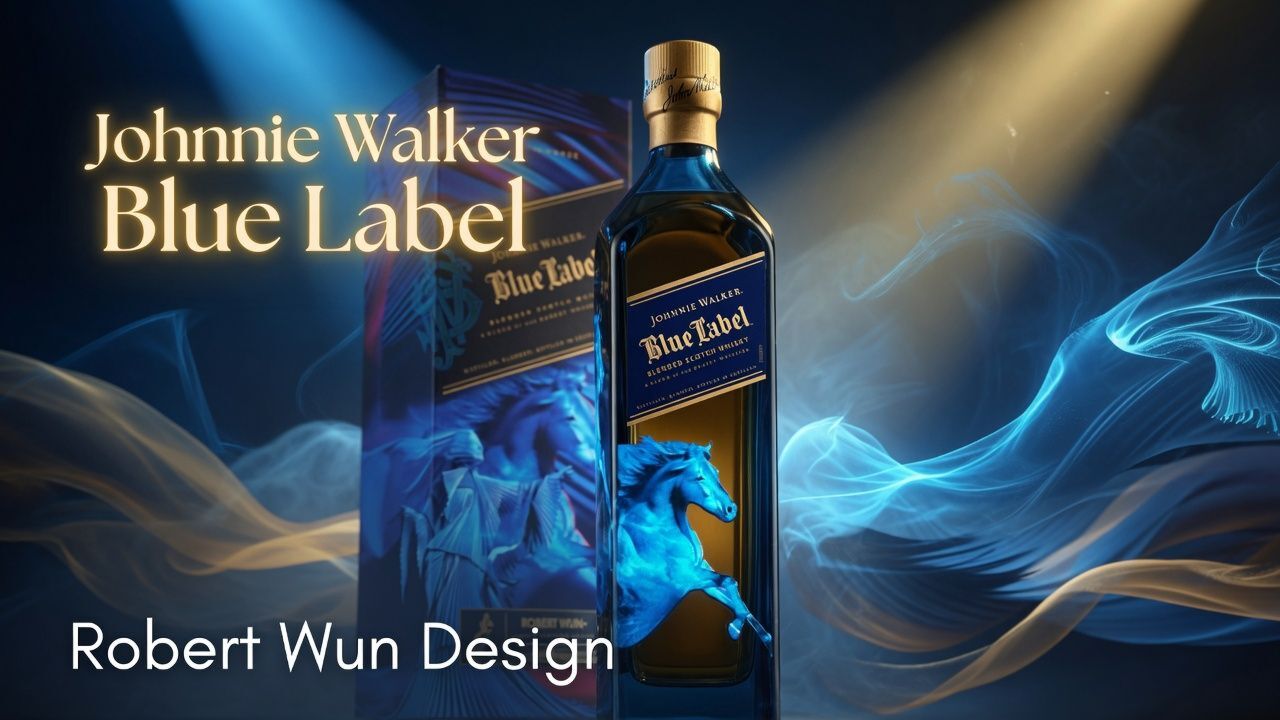
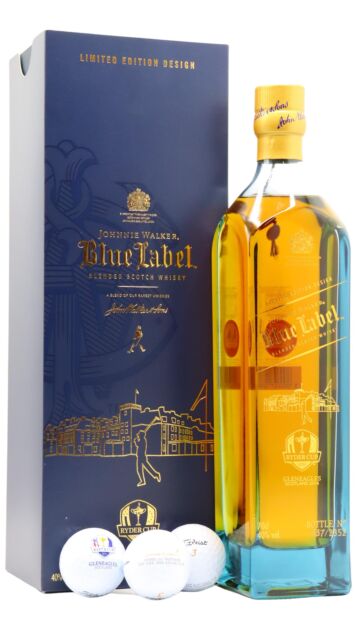
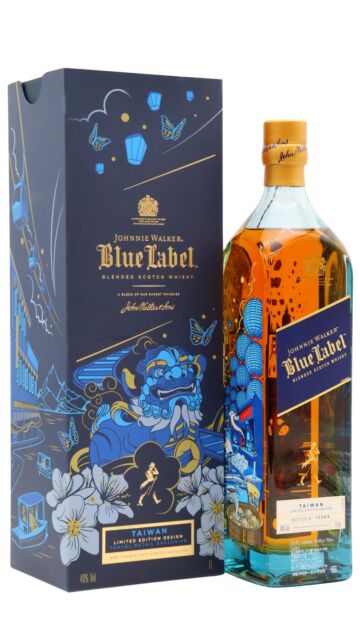
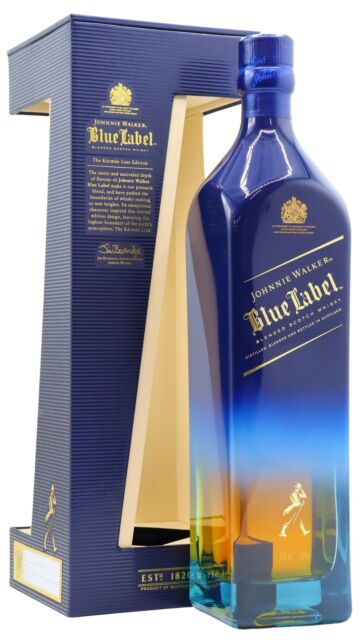
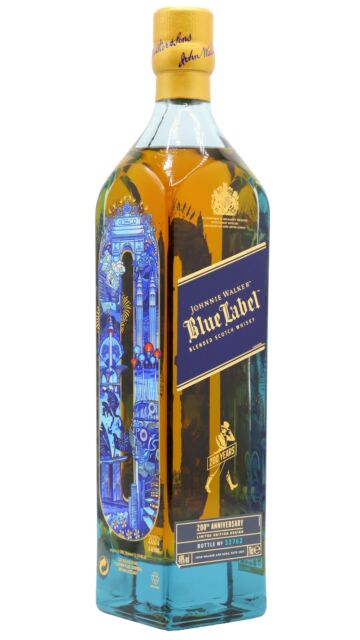
Johnnie Walker Blue Label
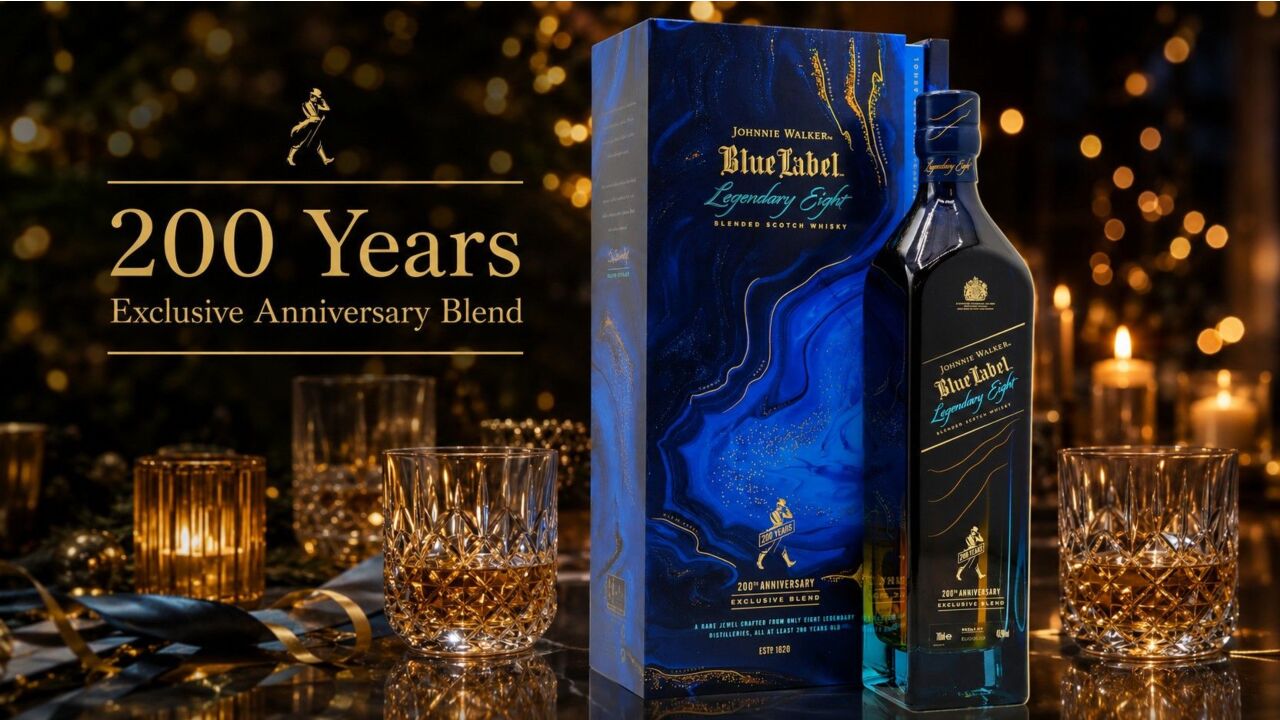
Sitting at the pinnacle of the permanent collection is Johnnie Walker Blue Label.
Unlike age-statement whiskies, Blue Label is created by selecting only exceptionally rare casks that display extraordinary depth, balance and character.
Some of these whiskies come from long-closed distilleries, while others represent the very finest spirit still maturing across Scotland.
The result is one of the world's most prestigious blended Scotch whiskies, admired for its remarkable complexity, velvety texture and beautifully integrated layers of honey, dried fruit, spice and delicate smoke.
If you're interested in learning more about what makes Blue Label so special, we've created a detailed Complete Guide to Johnnie Walker Blue Label covering its history, production and tasting profile.
How Johnnie Walker Became the World's Best-Selling Scotch Whisky
Few whisky brands have achieved the commercial success enjoyed by Johnnie Walker.
Its rise wasn't built on a single breakthrough but rather a combination of visionary decisions made consistently over two centuries.
Exceptional Consistency
Perhaps the brand's greatest achievement has been its ability to produce whisky that tastes remarkably similar year after year despite relying on dozens of individual distilleries.
That consistency builds trust.
Customers know exactly what they're buying.
Global Distribution
Long before international expansion became commonplace, Johnnie Walker established itself across Europe, Asia and the Americas.
Its presence in luxury hotels, airports and restaurants transformed the brand into an international symbol of Scotch whisky.
Iconic Branding
The square bottle.
The slanted label.
The Striding Man.
Few products possess branding as instantly recognisable.
These visual elements helped distinguish Johnnie Walker from competitors long before modern advertising existed.
Masterful Blending
Every expression reflects extraordinary skill from generations of master blenders.
Rather than relying on one exceptional distillery, Johnnie Walker draws upon the incredible diversity of Scotland's whisky regions, combining them into harmonious blends that consistently outperform expectations.
Together, these qualities have helped Johnnie Walker remain the world's best-selling Scotch whisky for decades.
Emma Walker: Leading Johnnie Walker Into the Future
In 2022, Johnnie Walker entered a new chapter when Emma Walker became the brand's Master Blender.
Having joined Diageo in 2008 with a scientific background in chemistry, Emma spent years working alongside some of the whisky industry's most respected blenders before taking on the company's most prestigious creative role.
She became only the seventh Master Blender in Johnnie Walker's history and the first woman ever to hold the position.
Rather than dramatically changing the house style, Emma has focused on evolving the brand while respecting its heritage.
Her work continues the philosophy established by John and Alexander Walker over 160 years ago: innovation without compromising consistency.
The New Era of Luxury Johnnie Walker
While classics like Black Label remain enormously popular, recent years have seen Johnnie Walker push further into luxury, collectability and artistic collaboration.
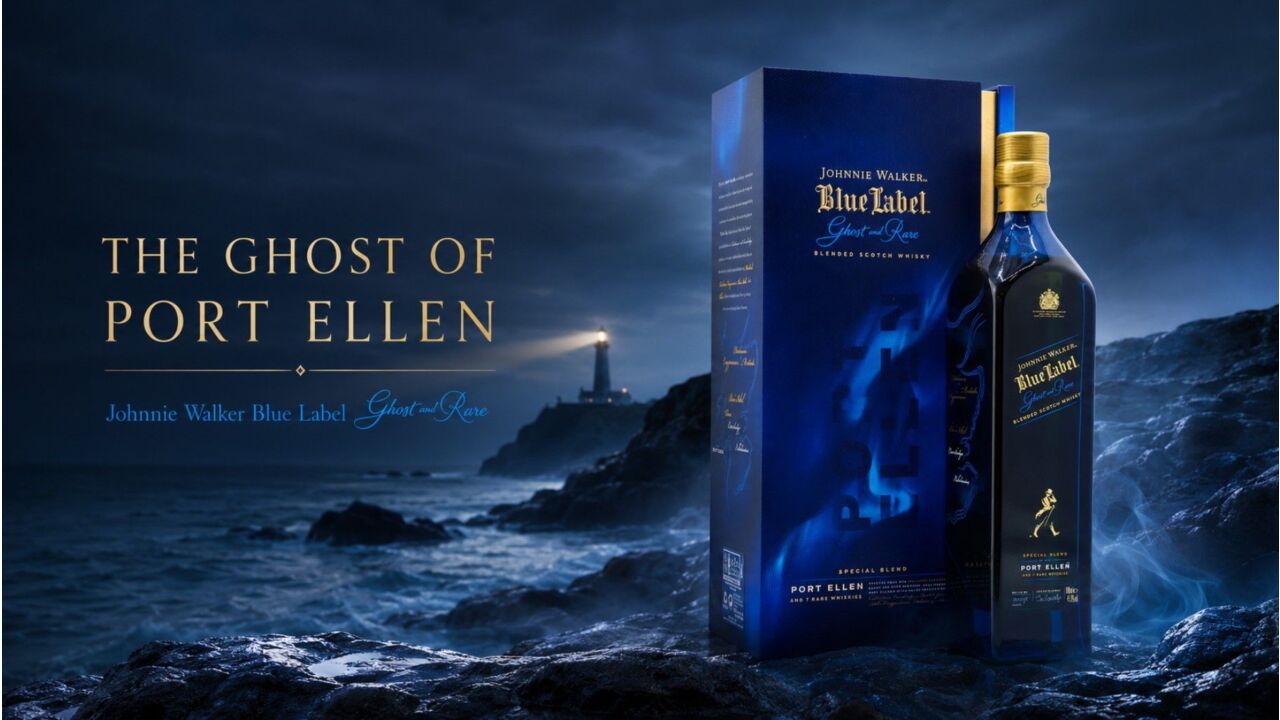
Johnnie Walker Ghost & Rare
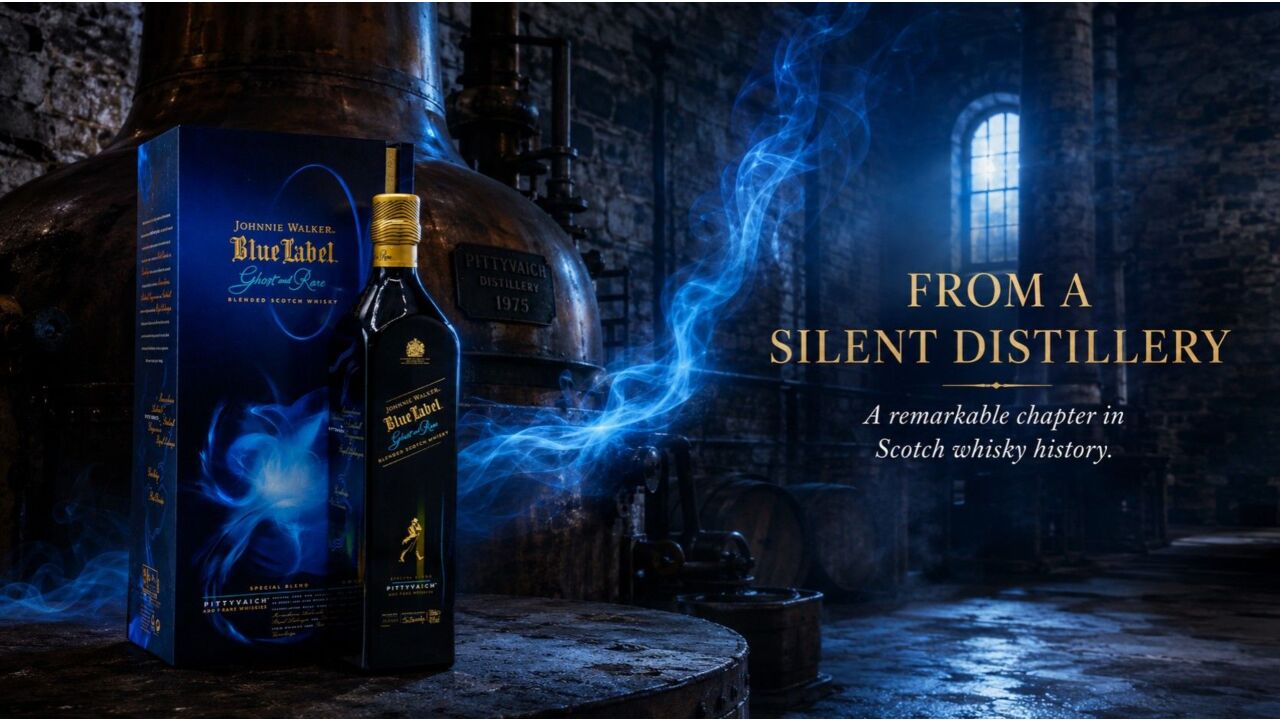
One of the most exciting developments has been the Ghost & Rare series.
Each limited-edition release is built around whisky from a legendary closed—or "ghost"—distillery, supported by carefully selected active distilleries chosen to complement its character.
Previous editions have celebrated iconic names including:
- Port Ellen
- Brora
- Glenury Royal
- Pittyvaich
- Port Dundas
Because these distilleries no longer produce whisky, Ghost & Rare bottlings offer enthusiasts the opportunity to experience flavours that can never be recreated.
Explore our collection of Johnnie Walker Ghost & Rare releases to discover some of the rarest expressions ever produced.
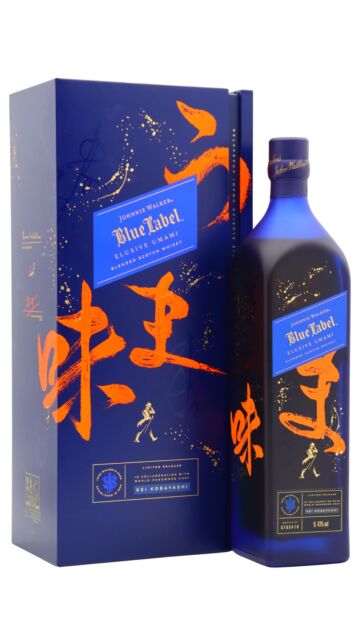
Blue Label Elusive Umami
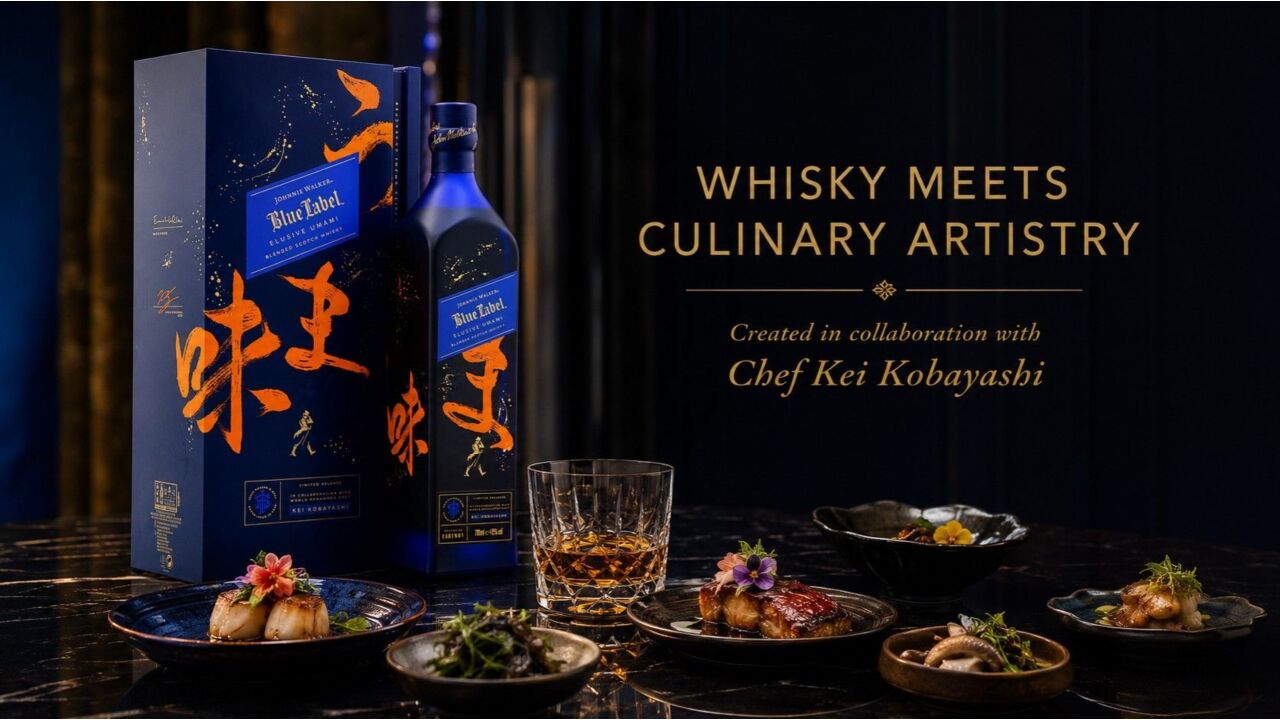
Innovation reached another level with Johnnie Walker Blue Label Elusive Umami.
Created by Emma Walker in collaboration with three-Michelin-starred chef Kei Kobayashi, Elusive Umami explores one of the world's most fascinating flavour concepts.
Rather than focusing purely on sweetness or smoke, the whisky has been designed to evoke the savoury richness associated with umami, creating remarkable layers of dried fruit, mushrooms, sea salt, citrus, savoury complexity and elegant smoke.
To learn more about this extraordinary release, read our in-depth Blue Label Elusive Umami guide.
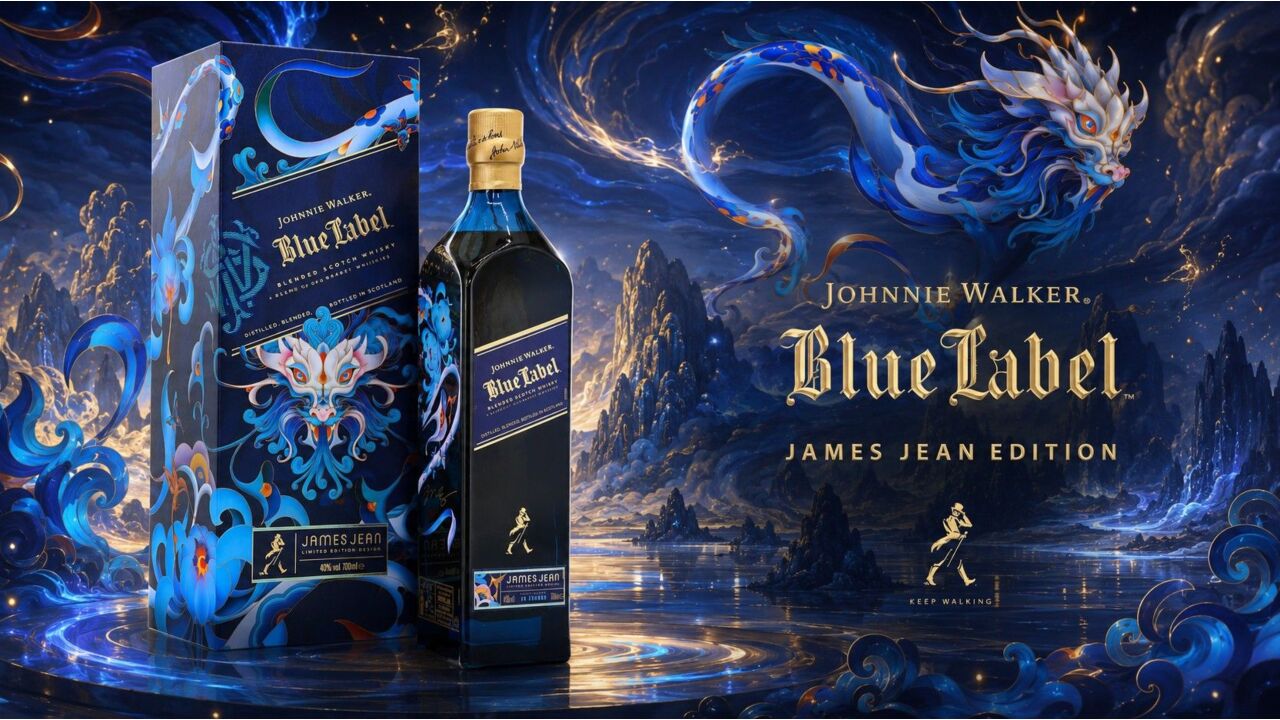
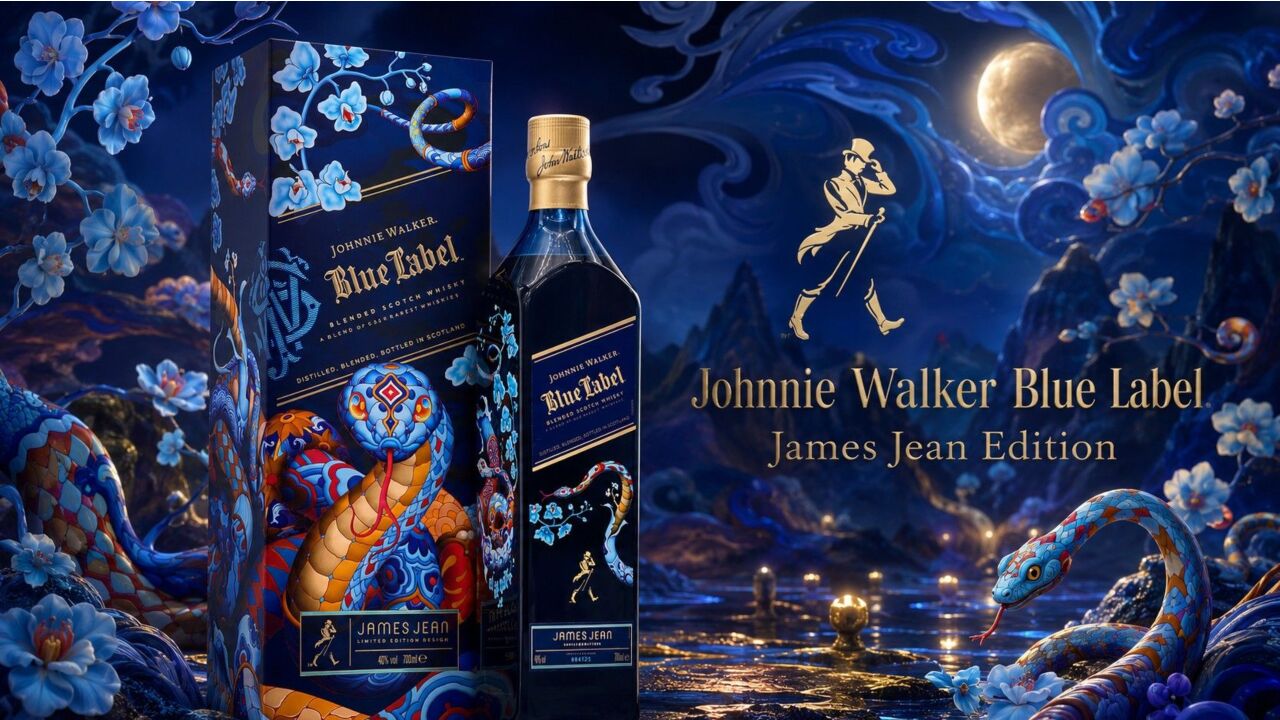
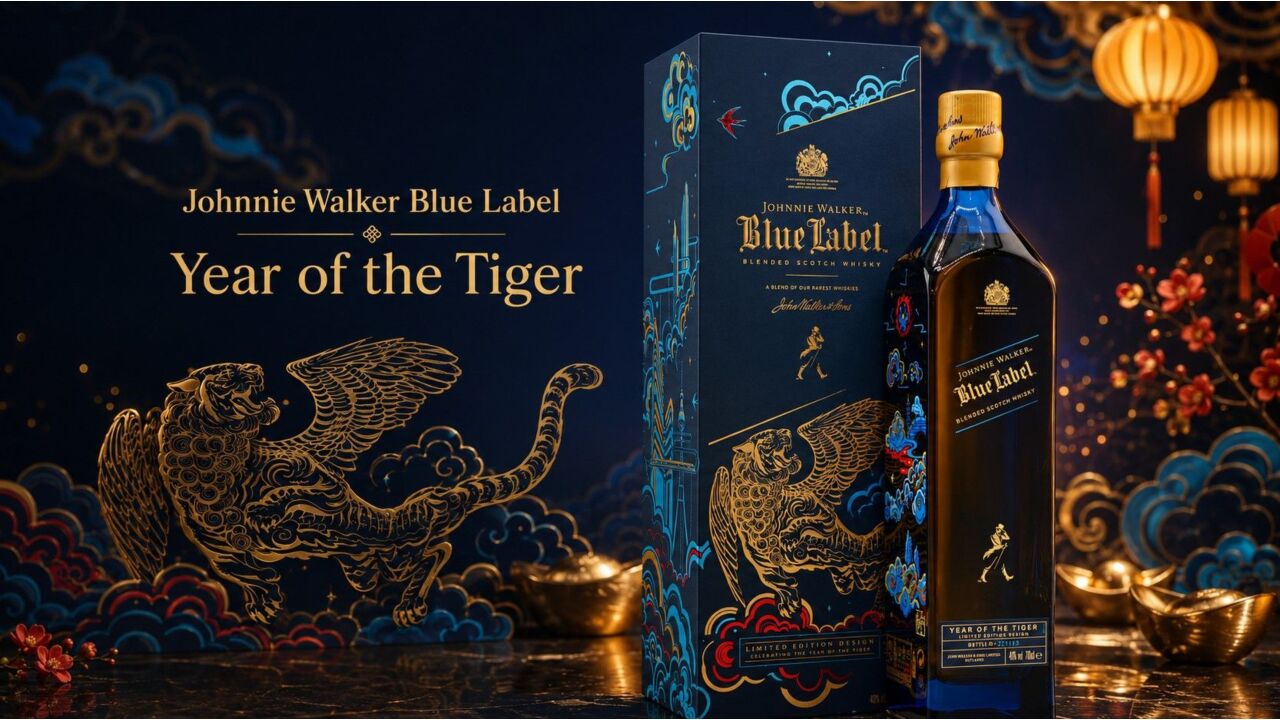
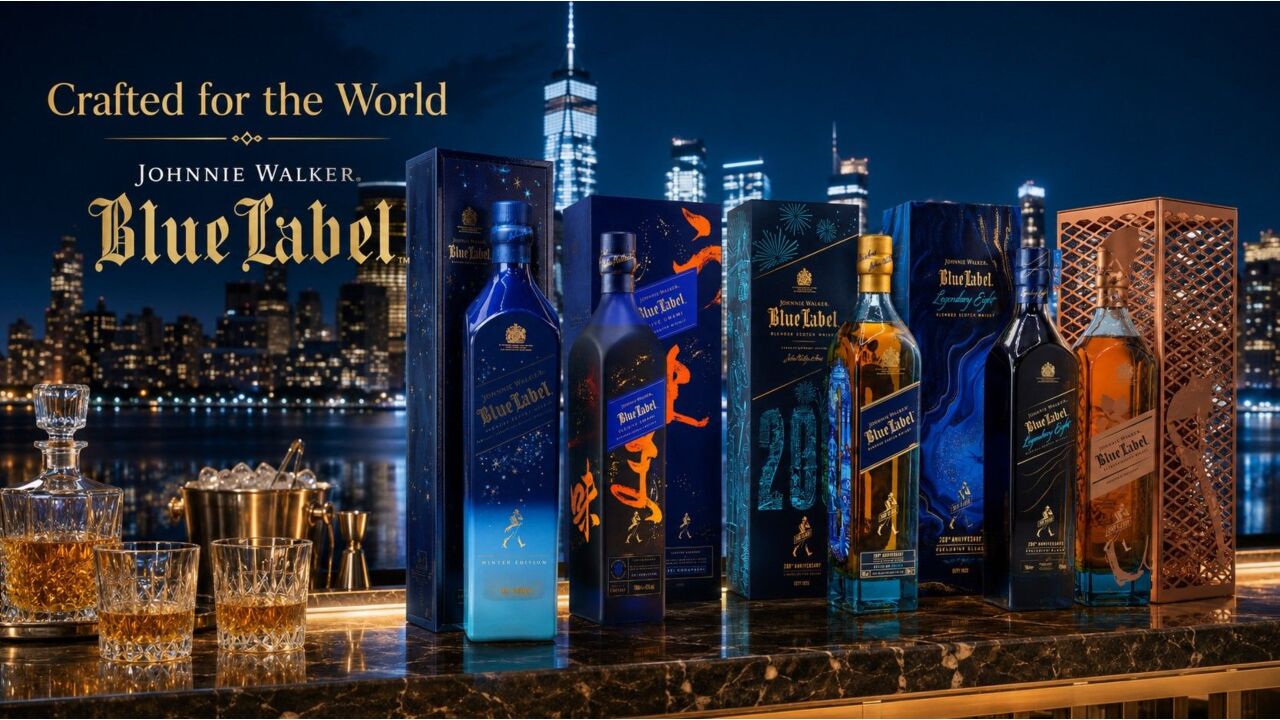
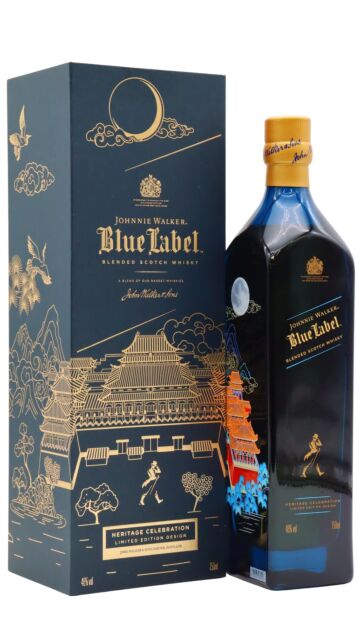
Lunar New Year Limited Editions
Each year, Johnnie Walker celebrates Lunar New Year through beautifully illustrated limited-edition bottles that honour the Chinese zodiac.
These annual releases have become highly collectible, featuring artwork inspired by traditional symbolism while maintaining the exceptional whisky found inside Blue Label.
Collectors around the world eagerly anticipate each new design, with many editions selling out shortly after launch.
Designer Collaborations
Johnnie Walker has increasingly partnered with internationally acclaimed artists and designers to create some of the whisky industry's most visually striking bottles.
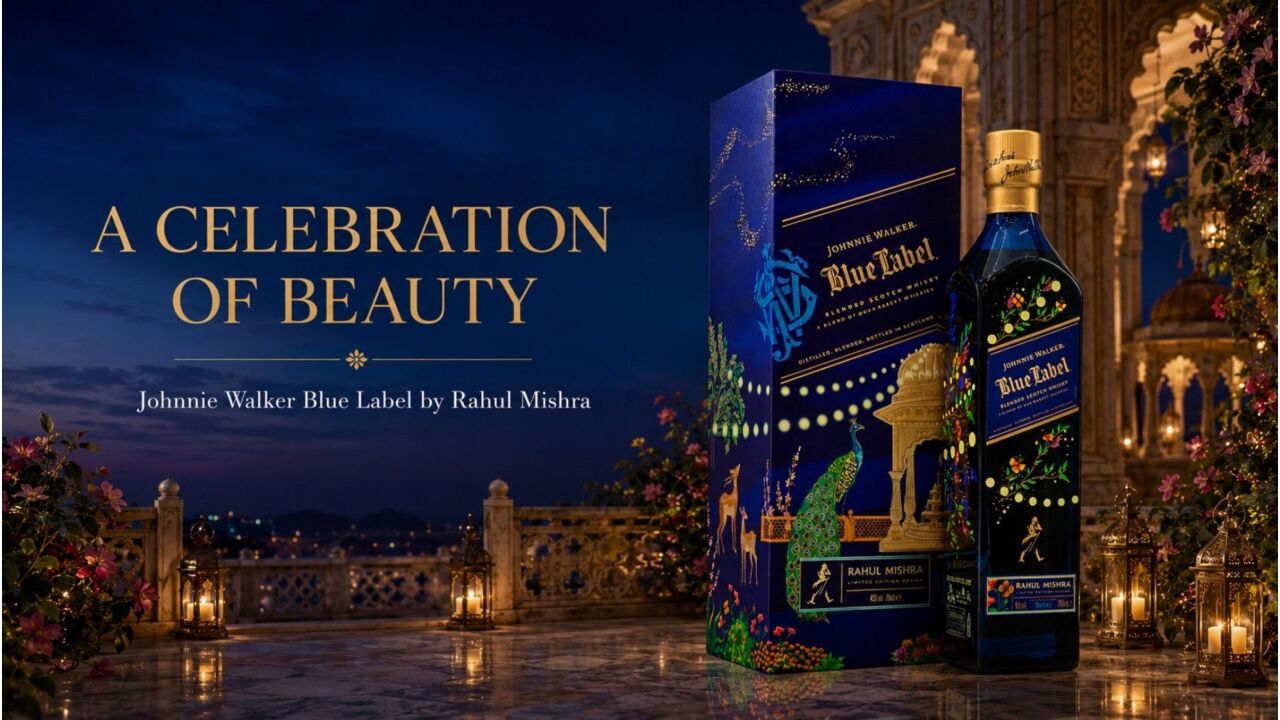
One of the finest recent examples is the Johnnie Walker Blue Label Rahul Mishra Limited Edition.
Created for Diwali, the bottle combines Blue Label with spectacular artwork by celebrated Indian fashion designer Rahul Mishra, blending luxury whisky with haute couture-inspired design.
These collaborations have transformed many Johnnie Walker releases into collectible works of art, appealing to whisky enthusiasts and design collectors alike.
Looking Ahead
More than two centuries after John Walker first welcomed customers into his grocery shop, the principles that built the brand remain remarkably unchanged.
Quality.
Consistency.
Innovation.
While the bottles have become more luxurious and the audience more global, Johnnie Walker continues to build upon the foundations laid in Kilmarnock in 1820.
Under Emma Walker's leadership, the future promises continued experimentation, luxury releases and innovative collaborations while preserving the craftsmanship that has made Johnnie Walker the world's most recognised Scotch whisky.
Explore Johnnie Walker at HTFW
Whether you're taking your first steps into the world of Scotch whisky or expanding an established collection, Hard To Find Whisky offers one of the UK's most comprehensive selections of Johnnie Walker expressions.
Explore:
- Browse the complete Johnnie Walker collection
- Johnnie Walker Blue Label
- Johnnie Walker Black Label
- Johnnie Walker Red Label
- Johnnie Walker Green Label 15 Year Old
- Johnnie Walker Gold Label Reserve
- Johnnie Walker Blue Label Elusive Umami
- Johnnie Walker Blue Label Rahul Mishra Limited Edition
Frequently Asked Questions
Who founded Johnnie Walker?
John Walker founded the business in 1820 when he opened a grocery shop in Kilmarnock, Scotland. His expertise in blending teas laid the foundations for what would become the world's most famous blended Scotch whisky.
Why is the Johnnie Walker bottle square?
Alexander Walker introduced the square bottle to reduce breakages during shipping, improve packing efficiency and create a distinctive appearance that stood out from competing brands.
Why is the Johnnie Walker label slanted?
The famous 24-degree slanted label allowed larger typography while giving the bottle a unique visual identity that remains instantly recognisable today.
What is the difference between Red Label and Black Label?
Red Label is a vibrant blended Scotch designed for mixing and everyday enjoyment, while Black Label is matured for a minimum of 12 years, offering greater richness, complexity and a more refined balance of fruit, spice and smoke.
Who is Emma Walker?
Emma Walker became Johnnie Walker's Master Blender in 2022. She is the first woman to hold the role and oversees the creation of the brand's core expressions and innovative limited editions.
What is Johnnie Walker Ghost & Rare?
Ghost & Rare is a premium Blue Label series built around whiskies from closed Scottish distilleries, combined with carefully selected active distilleries to create exceptionally rare and collectible blended Scotch whiskies.
Why is Johnnie Walker Blue Label considered a luxury whisky?
Blue Label is crafted from exceptionally rare casks chosen for outstanding character rather than age alone. Its limited availability, remarkable depth of flavour and meticulous blending make it the flagship expression in the Johnnie Walker range and one of the world's most respected luxury Scotch whiskies.