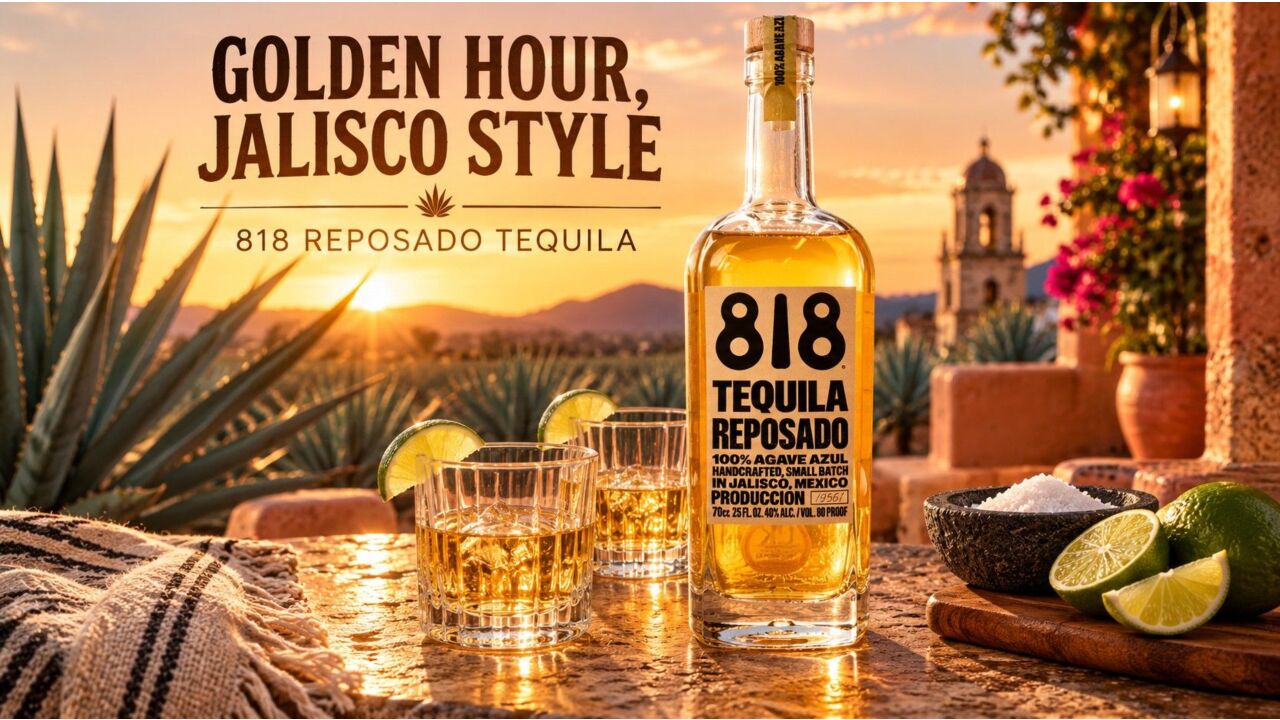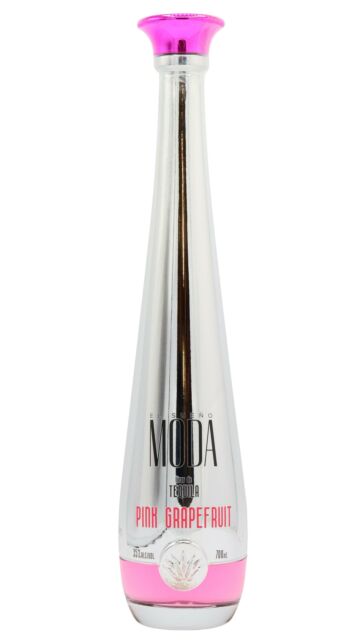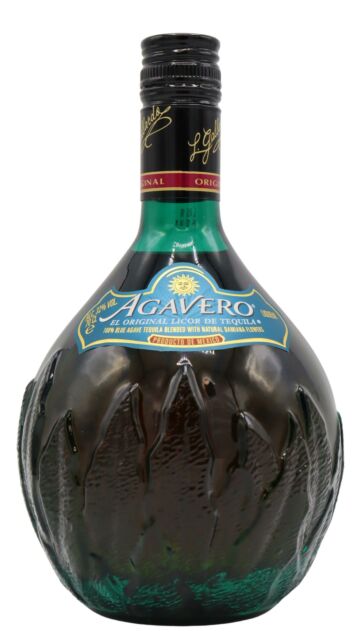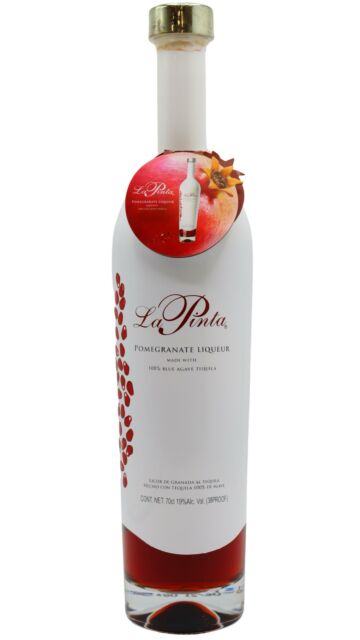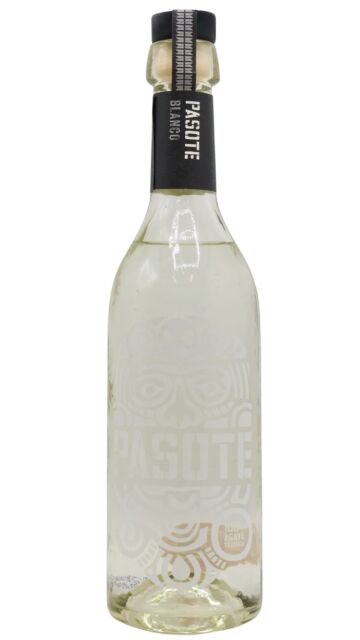
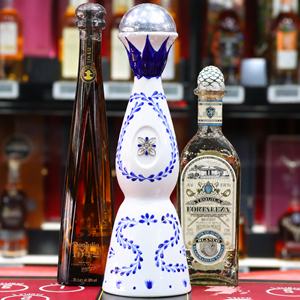























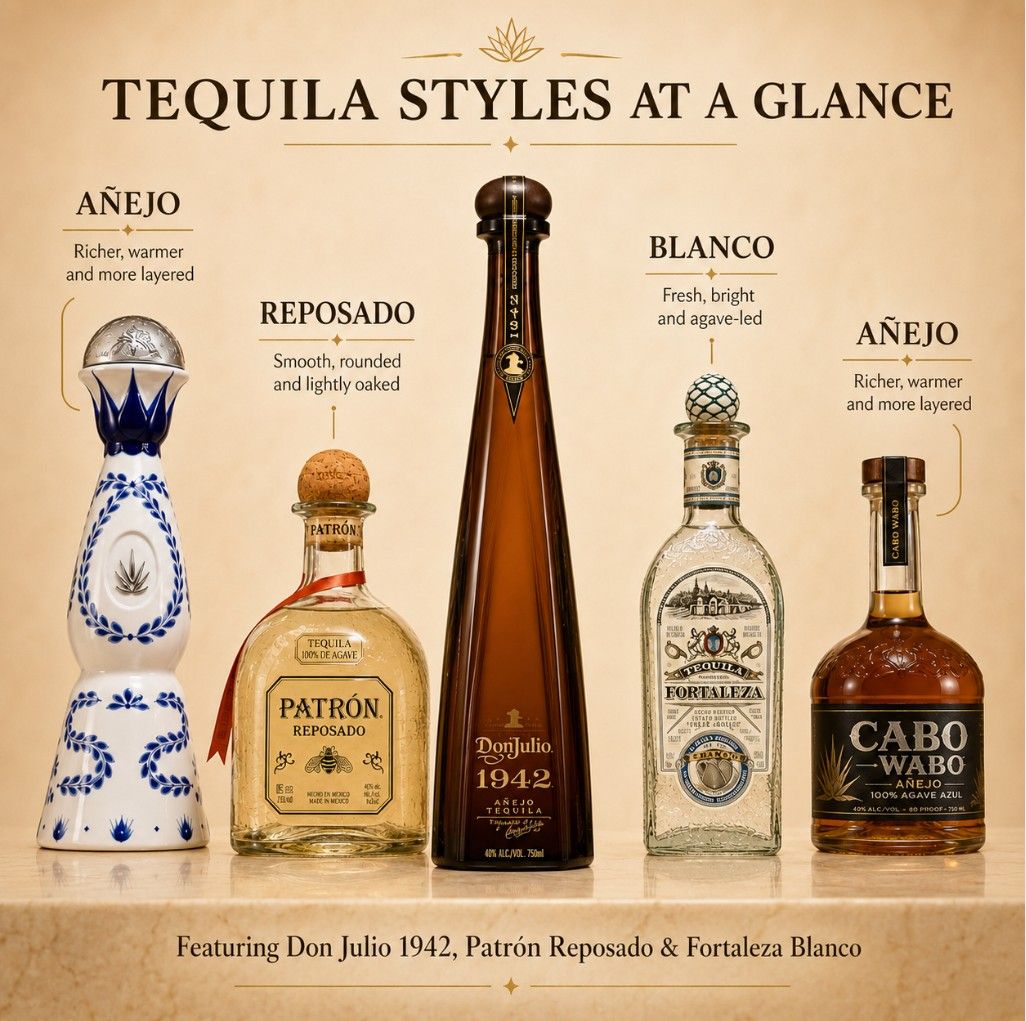
Tequila can change considerably depending on whether it is bottled soon after distillation or allowed to rest in oak.
Blanco tequila normally emphasises fresh agave, citrus, herbs, minerals and pepper. Reposado retains much of that direct agave character but adds vanilla, honey, caramel and gentle wood. Añejo spends longer in oak, creating deeper flavours of toasted wood, dried fruit, cocoa and baking spice.
These classifications should not be treated simply as increasing levels of quality.
Blanco, Reposado and Añejo represent different flavour styles. Each can be carefully made, suitable for sipping and valuable in the right cocktail.
The correct bottle depends on whether the drinker prefers fresh agave or oak-led flavour, whether the tequila will be mixed or enjoyed neat, the desired texture and the occasion.
This guide explains the main tequila types and uses examples from the complete tequila collection at Hard To Find Whisky to show how each classification appears in practice.
Availability can change, particularly for limited editions and distinctive gift presentations. Readers should check the linked product pages for current bottle details and stock information.
What Is Tequila?
Tequila is a protected Mexican spirit produced from the Blue Weber agave, officially known as Agave tequilana Weber blue variety.
The process begins in the agave fields.
Mature plants are harvested by skilled workers known as jimadores. Their long, pointed leaves are removed, leaving the large agave heart or piña.
The piñas are cooked to convert their complex carbohydrates into fermentable sugars. Depending on the producer, cooking may take place in traditional brick ovens or modern pressure vessels.
The softened agave is then crushed or milled to extract its sugary liquid. Some producers use roller mills, while traditional distilleries may use a large volcanic-stone wheel known as a tahona.
Yeast converts the extracted sugars into alcohol during fermentation. The fermented liquid is then distilled, commonly in copper pot stills or a combination of pot and column equipment.
At this point, the producer decides how the tequila will be presented.
It may be bottled as a fresh Blanco, rested in oak to become Reposado or matured for longer to produce Añejo or Extra Añejo. Some aged tequilas are subsequently filtered to remove their colour and presented as Cristalino.
Where Is Tequila Made?
Tequila production is geographically protected.
It can only be made within authorised areas covered by the Tequila Denomination of Origin. These areas include Jalisco and specific municipalities within Guanajuato, Michoacán, Nayarit and Tamaulipas.
Jalisco remains the state most closely associated with the spirit.
Its growing areas are often discussed in terms of the Highlands and Lowlands, although individual sites, production decisions and maturation can be just as influential as broad regional descriptions.
Highland agave is frequently associated with brighter fruit and floral notes. Lowland agave may offer more earthy, herbal and mineral character.
Some producers combine agave from different locations to create a broader flavour profile. Volcán de Mi Tierra Blanco Tequila, for example, combines herbal and citrus-led notes with pear and cherry fruit.
What Does 100% Agave Mean?
A bottle labelled 100% agave obtains all the fermentable sugars used in production from Blue Weber agave.
A tequila labelled simply Tequila must still derive at least 51% of its fermentable sugars from Blue Weber agave. Permitted sugars from other sources may account for the remaining proportion. This category is commonly referred to as mixto tequila.
The distinction can help shoppers understand the bottle, but it should not be treated as a complete quality judgement.
A 100% agave label places the focus firmly on agave-derived character. A carefully produced mixto can still be useful for cocktails and relaxed mixed serves.
Customers should consider the entire product, including the producer, production method, maturation and intended use.
Tequila Types Compared
| Tequila style | Ageing | Typical colour | Typical flavour profile | Common serves | Best suited to |
|---|---|---|---|---|---|
| Blanco | Unaged or only briefly rested | Clear | Fresh agave, citrus, herbs, minerals and pepper | Margaritas, Palomas, Ranch Water and neat tasting | Drinkers seeking direct agave character |
| Reposado | At least two months in oak | Pale straw to gold | Agave, vanilla, honey, caramel and gentle oak | Neat, over ice, Margaritas and highballs | Those seeking balance between agave and wood |
| Añejo | At least one year in oak | Amber to deep gold | Caramel, dried fruit, toasted oak, cocoa and spice | Neat, after dinner and spirit-forward cocktails | Sipping and richer flavour preferences |
| Extra Añejo | At least three years in oak | Deep amber to mahogany | Mature oak, nuts, dark fruit, vanilla and baking spice | Slow sipping and special occasions | Experienced spirits drinkers and collectors |
| Cristalino | Aged tequila filtered to remove colour | Clear | Smooth aged-tequila flavour with vanilla, agave and restrained oak | Neat, over ice and elegant mixed serves | Gifting and drinkers seeking polished texture |
Cristalino is a production and presentation style rather than one of the official age classifications. A Cristalino may begin as an Añejo, Extra Añejo or blend of aged tequilas before filtration.
Blanco Tequila Explained
Blanco, also called Plata or Silver, is tequila in its freshest form.
It is normally bottled shortly after distillation, without an extended period in oak. Some producers may allow a brief resting period, but the objective is to retain direct agave character rather than develop noticeable barrel flavours.
Its appearance is usually clear.
Typical aromas and flavours include cooked agave, lime, grapefruit, black pepper, green herbs, flowers, minerals and earth.
Blanco tequila is particularly useful in citrus-led cocktails because its fresh flavours remain visible beside lime, grapefruit and soda.
It can work well in a Margarita, Paloma, Tommy’s Margarita, Ranch Water or tequila highball. A carefully made Blanco can also be enjoyed neat by drinkers who appreciate direct agave and fermentation character.
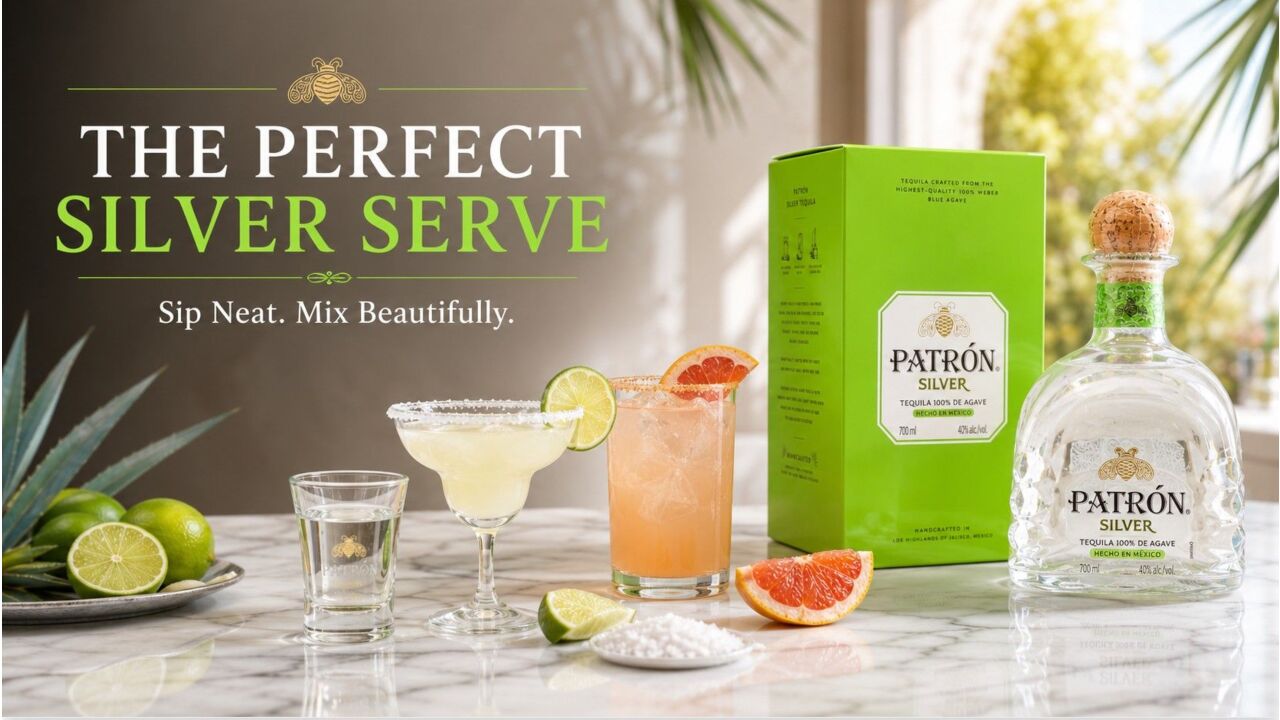
Patrón Silver Tequila
Patrón Silver Tequila is a widely recognised introduction to 100% Blue Weber agave tequila.
Classification: Blanco.
Bottle and strength: 70cl at 40% ABV.
Agave: 100% Weber Blue agave.
Ageing: Unaged, preserving fresh agave character.
Flavour profile: Fresh fruit, citrus, natural agave sweetness and a light pepper finish.
Best served: In a classic Margarita or Paloma, or neat in a small tasting glass.
Best suited to: Cocktail drinkers, tequila beginners and recipients who prefer a recognised brand with broad serving versatility.
Why explore it: Patrón Silver offers a clean reference point before moving into the brand’s oak-aged Reposado and Añejo expressions.
The existing HTFW article on Patrón Silver Tequila examines the brand, production and cocktail uses in greater detail. The wider portfolio can be found through the Patrón tequila collection.
Fortaleza Blanco Tequila
Fortaleza Blanco Tequila is produced using traditional methods intended to retain a particularly expressive agave profile.
Classification: Blanco.
Bottle and strength: 70cl at 40% ABV.
Agave: 100% agave.
Production: Traditionally stone-crushed using a tahona.
Flavour profile: Cooked agave, citrus, natural sweetness, pepper, earth and a long, complex finish.
Best served: Neat to examine its agave character, or in a stripped-back Margarita with fresh lime.
Best suited to: Experienced tequila drinkers, agave enthusiasts and anyone interested in traditional production methods.
Why explore it: Fortaleza places agave and production character ahead of heavy filtration or oak.
The current Fortaleza tequila range also includes Reposado, Añejo and higher-strength Blanco releases, allowing drinkers to compare the same traditional house style across several classifications.
Don Julio Blanco Tequila
Don Julio Blanco Tequila provides a fresh introduction to one of Jalisco’s most recognisable tequila producers.
Classification: Blanco.
Bottle and strength: 70cl at 38% ABV.
Agave: Blue Weber agave.
Ageing: Bottled without extended oak maturation.
Flavour profile: Cooked agave, citrus, light herbs, pepper and a clean finish.
Best served: In a Margarita, Paloma or Ranch Water, or chilled in a neat measure.
Best suited to: Drinkers who want a versatile Blanco with a bright, clean profile.
Why explore it: It establishes the underlying Don Julio agave character before oak introduces vanilla and caramel in the Reposado, Añejo and 1942 releases.
Readers can browse the complete Don Julio tequila range to compare each level of maturation.
Volcán de Mi Tierra Blanco Tequila
Volcán de Mi Tierra Blanco Tequila combines agave characteristics associated with different parts of Jalisco.
Classification: Blanco.
Bottle and strength: 70cl at 40% ABV.
Agave: Blue agave sourced from Jalisco.
Ageing: Unaged.
Flavour profile: Herbal agave, citrus and spice are joined by cherry, pear and softer fruit.
Best served: Neat, in a Paloma or in a long tequila-and-soda highball.
Best suited to: Drinkers interested in a Blanco with both vegetal and fruit-led characteristics.
Why explore it: The combination of herbal, mineral and orchard-fruit notes demonstrates that Blanco tequila does not need to be one-dimensional.
Further expressions can be found through the Volcán de Mi Tierra collection.
Reposado Tequila Explained
Reposado means “rested”.
To qualify as Reposado, tequila must spend at least two months in contact with oak. Some expressions remain in cask for considerably longer, provided they do not cross into the legal Añejo classification.
The colour normally ranges from pale straw to warm gold.
Oak softens the sharper edges of the fresh spirit and adds flavours such as vanilla, honey, caramel, cinnamon and toasted wood. The agave should still remain visible beneath the barrel influence.
Reposado is often described as a bridge between Blanco and Añejo.
It retains enough freshness for Margaritas, Palomas and highballs while offering enough oak and texture for neat drinking.
Patrón Reposado Tequila
Patrón Reposado Tequila develops the brand’s fresh agave style through American whiskey barrels.
Classification: Reposado.
Bottle and strength: 70cl at 40% ABV.
Agave: 100% Weber Blue agave.
Ageing: At least four months in American whiskey barrels.
Flavour profile: Fresh agave, honey, vanilla, citrus and gentle oak.
Best served: Neat, over one large ice cube or in a richer Margarita.
Best suited to: Drinkers moving from Blanco into aged tequila and anyone seeking a versatile tequila gift.
Why explore it: Four months of maturation introduce clear barrel influence without removing the bright agave foundation found in Patrón Silver.
Fortaleza Reposado Tequila
Fortaleza Reposado Tequila combines traditional agave production with a measured period in oak.
Classification: Reposado.
Bottle and strength: 70cl at 40% ABV.
Agave: 100% agave.
Ageing: Rested in oak.
Flavour profile: Cooked agave, citrus, vanilla, apple, earth, cinnamon and a lightly oily texture.
Best served: Neat or with a small amount of water; it can also create a characterful Reposado Margarita.
Best suited to: Drinkers who want oak to complement rather than dominate the agave.
Why explore it: The tequila retains Fortaleza’s earthy and citrus-led identity while adding vanilla, fruit and spice.
Comparing the Fortaleza Blanco, Reposado and Fortaleza Añejo offers a useful demonstration of how the same production style changes in oak.
Clase Azul Reposado Tequila
Clase Azul Reposado Tequila combines aged tequila with one of the category’s most distinctive presentations.
Classification: Reposado.
Bottle and strength: 70cl at 40% ABV.
Agave: 100% Blue Weber agave.
Ageing: Eight months in American whiskey casks.
Flavour profile: Cooked agave, vanilla, caramel, hazelnut and warming spice.
Best served: Neat at room temperature or over one large cube.
Best suited to: Gifting, collectors of decorative bottles and drinkers who favour a sweeter, rounded Reposado style.
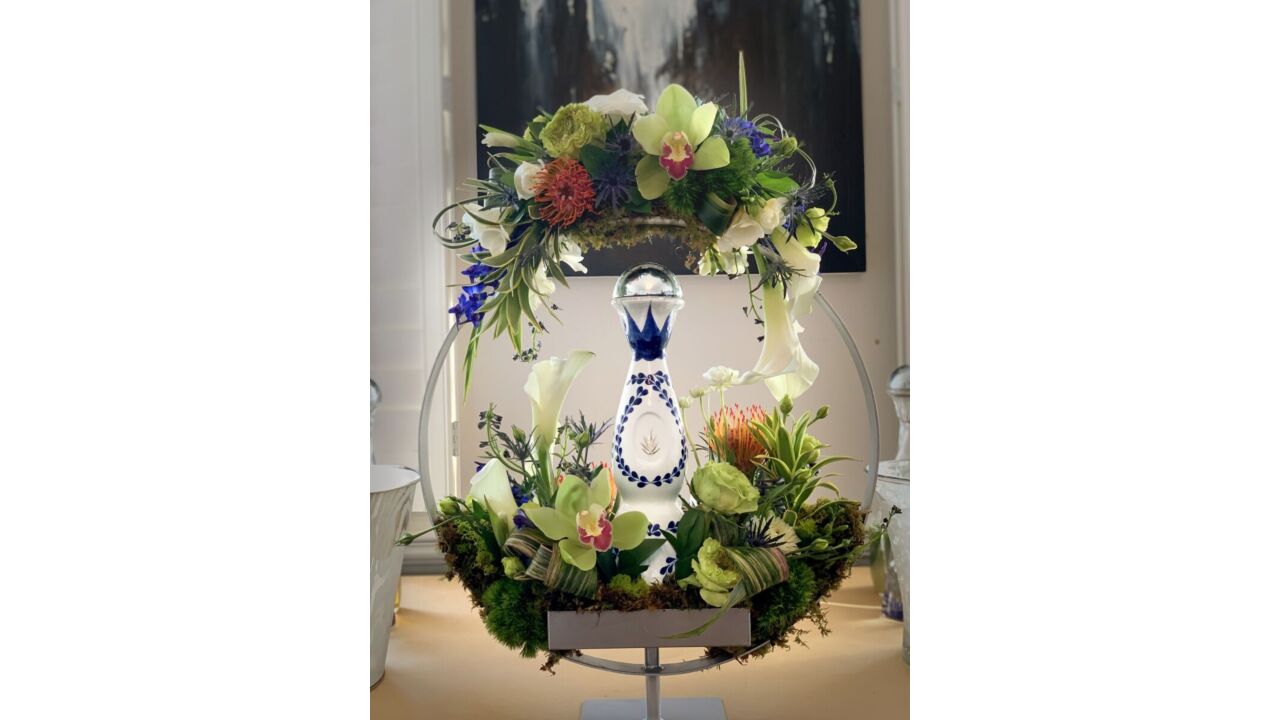
Why explore it: The tequila offers clear oak and vanilla character, while the individually decorated ceramic decanter adds strong presentation appeal.
The HTFW feature on Clase Azul Reposado explores its production, flavour and Mexican ceramic presentation. Other releases can be found through the Clase Azul collection.
Don Julio Reposado Tequila
Don Julio Reposado Tequila is matured long enough to build noticeable oak without losing its fresh agave character.
Classification: Reposado.
Bottle and strength: 70cl at 38% ABV.
Agave: Blue Weber agave.
Ageing: Eight months in American white-oak barrels.
Flavour profile: Ripe apple, pear, vanilla, chocolate, cooked agave and gentle cinnamon.
Best served: Neat, in a Reposado Margarita or in a tequila highball with soda and grapefruit peel.
Best suited to: Drinkers seeking a smooth balance between orchard fruit, agave and oak.
Why explore it: Eight months in cask moves the tequila closer to Añejo depth while retaining enough freshness for cocktails.
Añejo Tequila Explained
Añejo means “aged”.
It must spend at least one year in oak barrels or containers with a maximum permitted capacity. It cannot remain within the Añejo classification beyond three years; longer maturation creates Extra Añejo.
Añejo tequila normally has a deeper amber colour and a rounder, more coating texture than Blanco or Reposado.
Common flavours include vanilla, caramel, dried fruit, toasted oak, cocoa, roasted agave and baking spice.
The greater barrel influence often makes Añejo a natural sipping spirit. It can also work in an Old Fashioned, Manhattan-style drink or another cocktail where oak and richness are desired.
Aged tequila should not automatically be treated as superior to Blanco or Reposado. It is a different expression of the spirit, with less direct agave and more wood-derived character.
Patrón Añejo Tequila
Patrón Añejo Tequila uses several oak types to add complexity to the brand’s 100% agave spirit.
Classification: Añejo.
Bottle and strength: 70cl at 40% ABV.
Agave: 100% Weber Blue agave.
Ageing: More than twelve months in French oak, Hungarian oak and used American whiskey barrels.
Flavour profile: Vanilla, caramel, raisins, oak, light smoke and dried fruit.
Best served: Neat, over one large cube or in a restrained tequila Old Fashioned.
Best suited to: Drinkers seeking a mature but approachable introduction to Añejo tequila.
Why explore it: The combination of three barrel types creates more depth than a single-cask approach while allowing agave to remain present.
Fortaleza Añejo Tequila
Fortaleza Añejo Tequila brings the producer’s traditionally made spirit into a richer and more mature style.
Classification: Añejo.
Bottle and strength: 70cl at 40% ABV.
Agave: 100% agave.
Ageing: Extended maturation in oak.
Flavour profile: Caramel, vanilla, butterscotch and cooked agave, with further notes of pineapple, peach, orange blossom, nutmeg and raisin.
Best served: Neat after resting briefly in the glass.
Best suited to: Tequila enthusiasts who want mature oak without losing the distillery’s earthy and cooked-agave character.
Why explore it: The fruit, spice and butterscotch show how traditional Blanco spirit can gain depth while retaining a recognisable agave core.
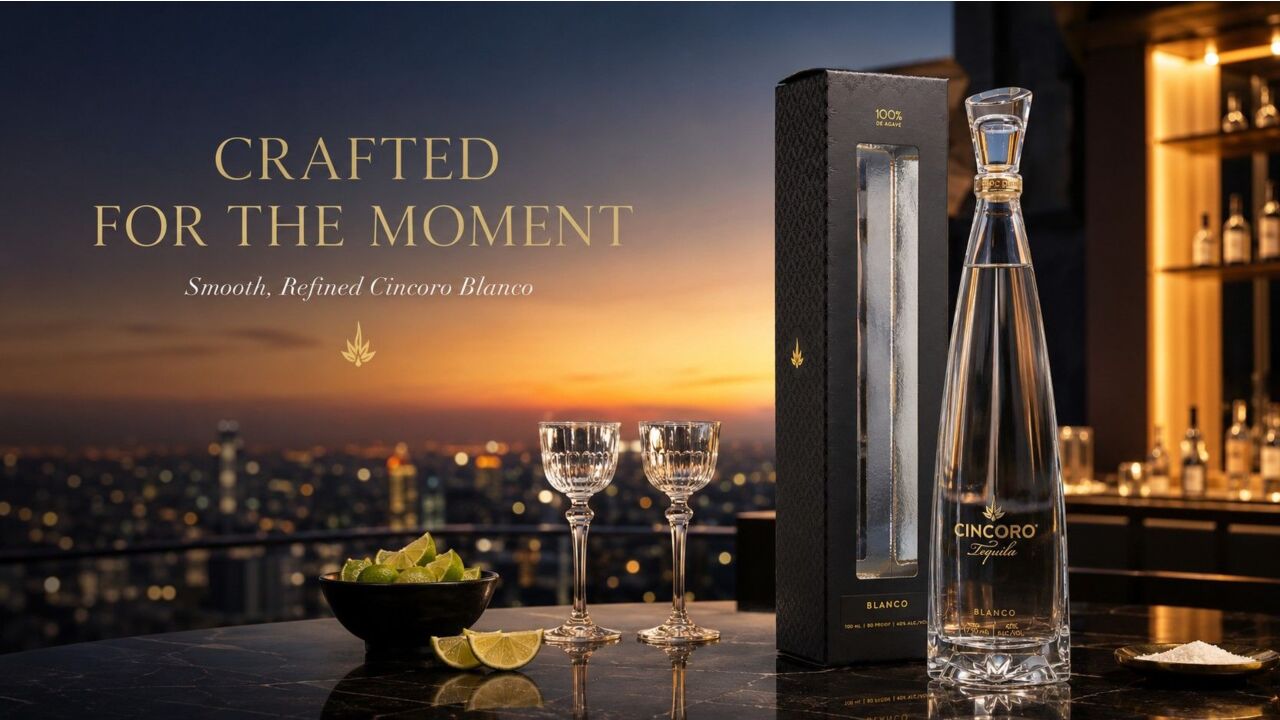
Cincoro Añejo Tequila
Cincoro Añejo Tequila is a long-aged Añejo associated with Michael Jordan and four other NBA team owners.
Classification: Añejo.
Bottle and strength: 70cl at 40% ABV.
Agave: 100% Weber Blue agave.
Ageing: Approximately 24 to 28 months.
Flavour profile: Orange, fig, date, caramel, butterscotch and warm oak.
Best served: Neat or over a large cube.
Best suited to: Drinkers who enjoy mature fruit, caramel and presentation-led spirits.
Why explore it: Its extended maturation places it towards the older end of the Añejo category, building dried-fruit richness without moving into Extra Añejo.
The Cincoro brand collection also includes Blanco and Reposado expressions. HTFW’s guide to Cincoro Blanco Tequila provides useful background on the brand’s agave sourcing and flavour style.
Don Julio 1942 Añejo Tequila
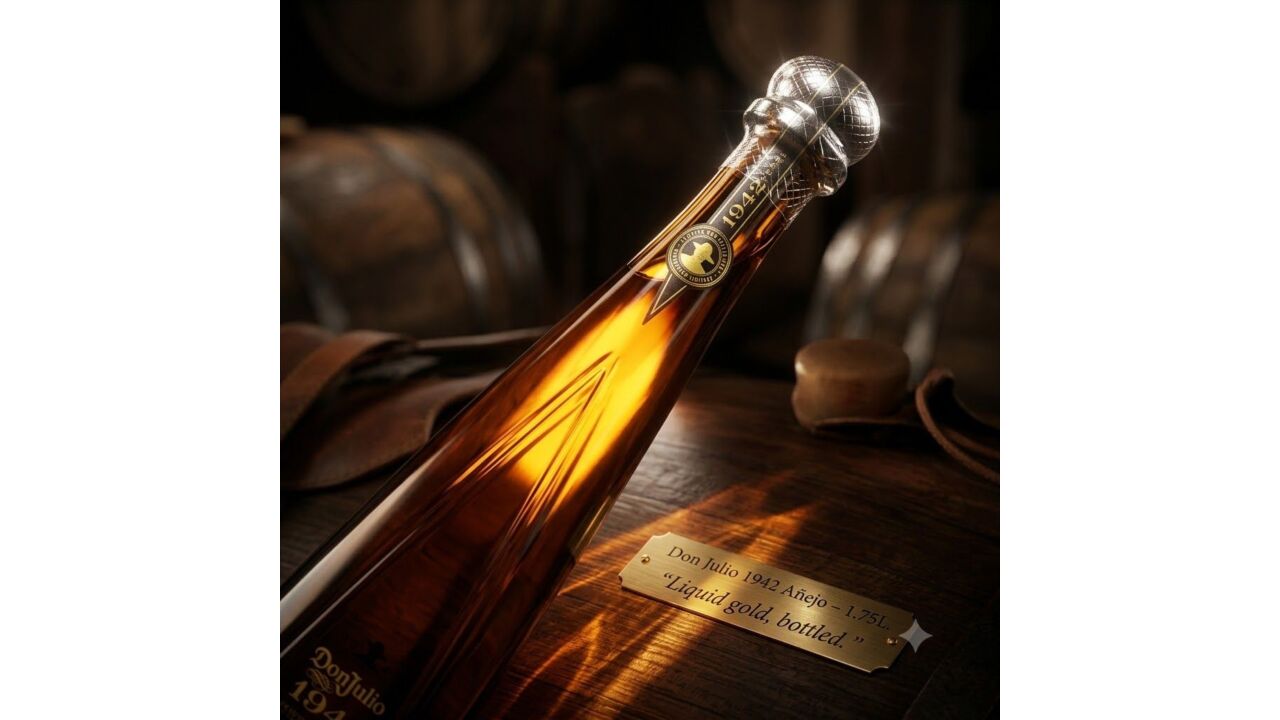
Don Julio 1942 Small Batch Añejo Tequila is one of the most recognisable aged tequilas in the current market.
Classification: Añejo.
Bottle and strength: 70cl at 38% ABV.
Agave: 100% Blue Weber agave grown in the Jalisco Highlands.
Ageing: An extended maturation period of at least two years, with the expression associated with approximately two and a half years in oak.
Flavour profile: Caramel, chocolate, warm oak, vanilla and roasted agave.
Best served: Neat or over ice.
Best suited to: Celebration gifting, established tequila drinkers and anyone seeking a recognisable sipping Añejo.
Why explore it: Its tall bottle, extended maturation and smooth dessert-led profile give it clear identity beyond the standard Don Julio range.
The existing HTFW article Don Julio 1942: The Iconic Small Batch Añejo Tequila explores the release in more detail.
A Don Julio 1942 miniature also provides a smaller-format introduction to the expression.
Extra Añejo Tequila Explained
Extra Añejo is the oldest official tequila classification.
It must mature for at least three years in oak.
Longer ageing can create a deeper colour, fuller texture and greater concentration of wood-derived flavours. Common notes include dark caramel, toasted nuts, leather, dried fruit, cocoa and mature spice.
The agave character may become quieter as the oak becomes more influential.
Extra Añejo is often chosen by experienced whisky, Cognac or rum drinkers because its mature flavour profile provides familiar points of connection.
It is not automatically better than younger tequila. A drinker seeking bright citrus, herbs and pepper may still prefer Blanco.
Lobos 1707 Extra Añejo Tequila
Lobos 1707 Extra Añejo Tequila combines Mexican tequila production with a Spanish fortified-wine influence.
Classification: Extra Añejo.
Bottle and strength: 75cl at 40% ABV.
Agave: 100% Blue Weber agave.
Ageing: Three years in American white oak followed by a finish in Pedro Ximénez sherry casks.
Flavour profile: Roasted agave, dark dried fruit, toasted baking spice, oak and sherry sweetness.
Best served: Neat or over one large cube.
Best suited to: Sherry-cask whisky drinkers, mature-rum drinkers and anyone interested in unusual cask finishing.
Why explore it: The Pedro Ximénez finish introduces dried-fruit richness while maintaining the structure expected from three years in American oak.
The Lobos 1707 collection includes Joven, Reposado and Extra Añejo tequila with the same sherry-cask theme.
Gran Patrón Piedra Extra Añejo Tequila
Gran Patrón Piedra Extra Añejo Tequila uses extended maturation and traditional tahona production.
Classification: Extra Añejo.
Bottle and strength: 70cl at 40% ABV.
Agave: 100% Blue Weber agave.
Ageing: More than three years in a combination of oak casks.
Flavour profile: Fresh fruit, vanilla, mature agave, toasted oak and an earthy mushroom-like complexity.
Best served: Neat or over one large cube.
Best suited to: Experienced sipping-spirit drinkers, important gifts and collectors of premium Patrón releases.
Why explore it: Extended ageing is combined with the traditional tahona process and a distinctive crystal presentation.
What Is Cristalino Tequila?
Cristalino tequila begins as aged tequila.
The spirit is then filtered, commonly through activated carbon or charcoal, to remove most or all of its colour. Careful filtration can also soften some of the stronger oak and tannin characteristics.
The finished tequila appears clear but can retain flavours associated with ageing, including vanilla, caramel, honey, nuts and toasted wood.
Cristalino is not an official age classification in the same way as Blanco, Reposado or Añejo. Its underlying tequila still belongs to one of those regulated classes before filtration.
The style often suits drinkers who want an aged-tequila flavour with a visually clear and polished presentation.
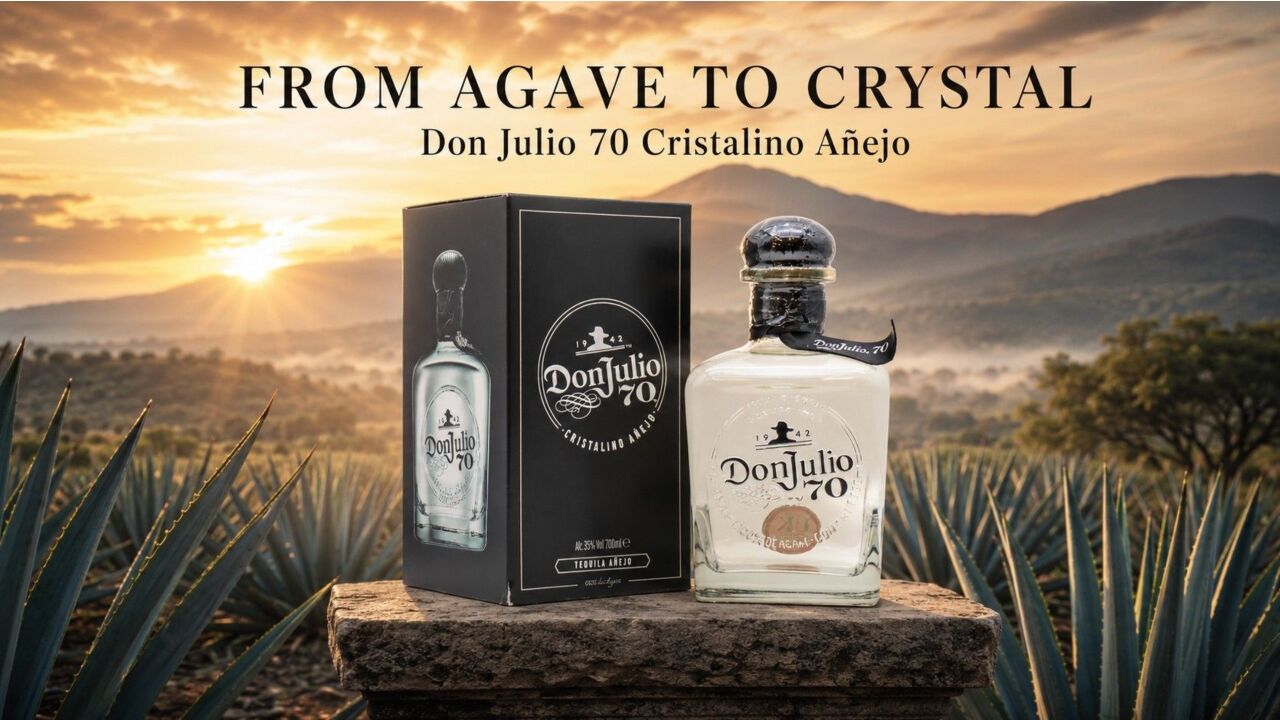
Don Julio 70 Cristalino Añejo Tequila
Don Julio 70 Cristalino Añejo Tequila is based on mature Añejo tequila before charcoal filtration.
Classification: Cristalino Añejo.
Bottle and strength: 70cl at 35% ABV.
Agave: Blue Weber agave.
Ageing: Eighteen months in American white-oak bourbon casks before filtration.
Flavour profile: Cooked agave, vanilla, honey, gentle oak and a clean finish.
Best served: Neat, chilled or over ice.
Best suited to: Drinkers exploring Cristalino for the first time and those who want aged flavours with a lighter visual presentation.
Why explore it: It demonstrates how Añejo can retain vanilla and oak after its amber colour has been removed.
Volcán de Mi Tierra Cristalino Tequila
Volcán de Mi Tierra Cristalino Tequila presents a rich aged profile in a clear format.
Classification: Cristalino.
Bottle and strength: 70cl at 40% ABV.
Agave: Blue agave from Jalisco.
Production: Aged tequila subjected to filtration to create a clear appearance.
Flavour profile: Tobacco, dried fruit, chocolate, caramel, vanilla and cooked agave.
Best served: Neat or over one large ice cube.
Best suited to: Whisky and Cognac drinkers interested in Cristalino, as well as presentation-led gifting.
Why explore it: The flavour remains mature and oak-influenced despite the colourless appearance, creating a deliberate contrast between sight and taste.
Blanco, Reposado and Añejo: How Are They Different?
Flavour
Blanco usually offers the clearest agave flavour.
Citrus, green herbs, minerals and pepper are common because there is little oak to cover or reshape the fresh spirit.
Reposado introduces vanilla, honey and gentle caramel while preserving cooked agave and citrus.
Añejo moves further towards oak, dried fruit, cocoa and baking spice.
Texture
Blanco can feel bright, lively and direct.
Reposado normally becomes softer and slightly rounder after resting in oak.
Añejo often has the fullest and most coating texture of the three because of longer maturation and the flavours extracted from the barrel.
Colour
Blanco is clear because it receives little or no colour from oak.
Reposado is commonly pale straw or gold.
Añejo becomes amber as the spirit extracts colour and flavour compounds from the wood.
Colour intensity is not a reliable measure of quality. Cask type, previous use, charring, maturation time and permitted production treatments can all affect appearance.
Serving Style
Blanco is a natural choice for Margaritas, Palomas, Ranch Water and citrus-led highballs.
Reposado is highly versatile. It can be used in cocktails or enjoyed neat.
Añejo is commonly sipped, although it can produce an excellent tequila Old Fashioned or Manhattan-style drink.
Intended Drinker
Blanco suits someone who enjoys bright, herbal and peppery flavours.
Reposado suits a drinker seeking both agave and oak.
Añejo suits those who prefer caramel, dried fruit and mature spice.
These are useful directions rather than fixed rules.
How to Choose a Tequila Style
Choose Blanco when fresh agave, citrus, herbs, pepper and vibrant cocktails are the priority.
Choose Reposado when the drinker wants a balance between direct agave and gentle oak.
Choose Añejo for richer vanilla, caramel, dried fruit, cocoa and toasted wood.
Choose Extra Añejo for extended maturation, mature oak and slow sipping.
Choose Cristalino for aged flavour with a clear, polished appearance and softer presentation.
Someone unsure between the three main classifications can use the Patrón Silver, Reposado and Añejo tequila miniature set to compare them directly.
Tequila for Cocktails
No one tequila style is compulsory for a particular cocktail.
The classification changes the flavour and weight of the finished drink.
Margarita
Blanco creates the brightest Margarita, with lime and agave at the centre.
Reposado adds vanilla and oak, producing a rounder cocktail.
Añejo creates a richer and darker variation with greater barrel influence.
Paloma
Blanco pairs naturally with grapefruit and soda.
Reposado works when a softer, honeyed drink is preferred.
Ranch Water
Blanco is the traditional starting point because the simple combination of tequila, lime and sparkling mineral water leaves the agave exposed.
Tequila Sunrise
Blanco keeps the drink fresh and allows orange and grenadine to remain prominent.
Reposado creates a warmer and more rounded version.
Tommy’s Margarita
Blanco highlights the combination of agave, lime and agave syrup.
Reposado creates additional vanilla and caramel depth.
Tequila Old Fashioned
Reposado, Añejo and Extra Añejo are all suitable.
Reposado retains greater agave freshness, while Añejo creates a drink closer in structure to a whiskey Old Fashioned.
Highballs
Blanco works with soda, tonic and grapefruit.
Reposado is effective with ginger ale or soda and orange peel.
Añejo can be lengthened with soda where a lighter sipping serve is required.
Aged tequila does not need to be reserved exclusively for neat drinking. The best choice depends on whether the cocktail is intended to taste fresh, rounded or deeply oak-led.
How to Sip Tequila
Tequila should be approached in much the same way as whisky, rum or Cognac.
Use a small tulip-shaped glass, spirits tasting glass or narrow wine glass rather than a wide shot glass.
Serve the tequila at room temperature or slightly cool. Excessive chilling can reduce the aromas, particularly in complex Añejo and Extra Añejo expressions.
Allow the tequila to rest briefly in the glass.
Smell gently rather than placing the nose deeply inside the rim. High alcohol can overwhelm subtler agave and fruit aromas.
Take a small sip and allow it to coat the palate.
Look for cooked agave first, followed by fruit, herbs, pepper, spice and oak.
Ice is optional. One large cube can soften the alcohol and gradually open vanilla and caramel, although it may reduce citrus and herbal detail.
Salt and lime are not required for a considered tasting. They can still be used when enjoyed as part of the desired serve.
Choosing Tequila as a Gift
A tequila gift should reflect both the recipient’s flavour preference and the way they drink.
A cocktail enthusiast may prefer a recognisable Blanco or Reposado.
A whisky or Cognac drinker may appreciate Añejo, Extra Añejo or Cristalino.
Presentation can also matter.
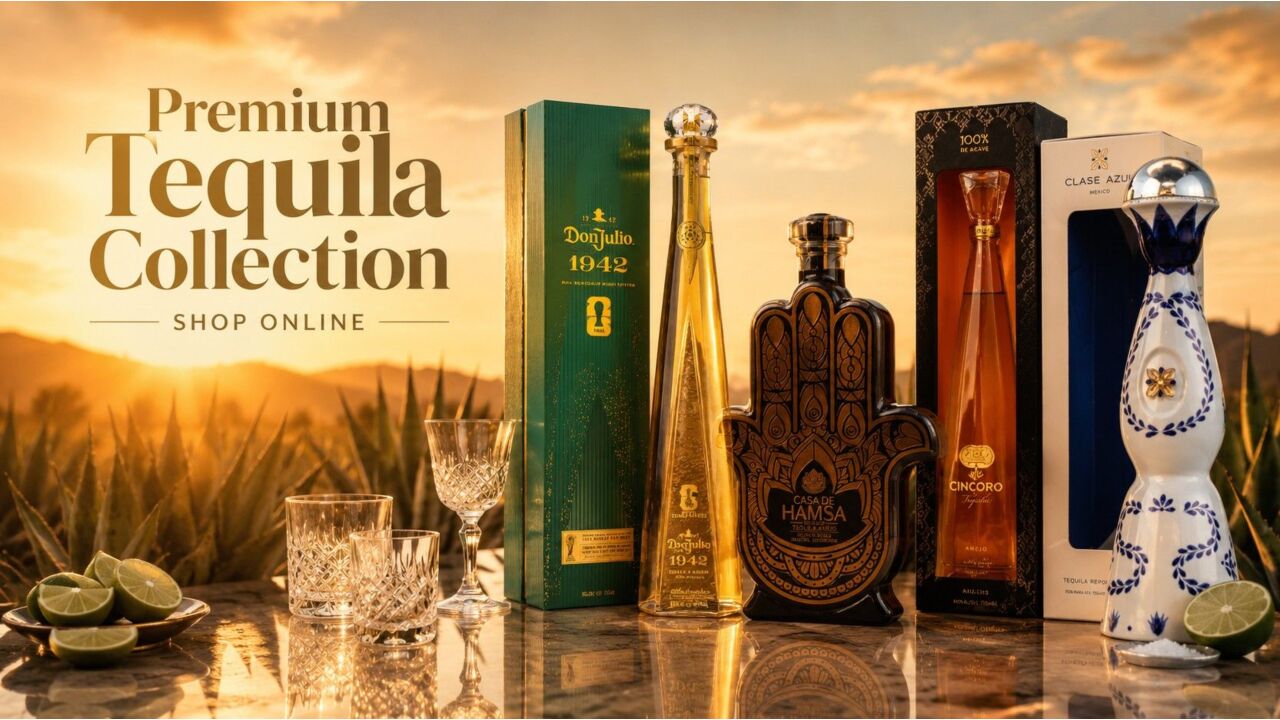
Clase Azul’s ceramic decanter, Don Julio 1942’s tall bottle, Cincoro’s five-sided design and Gran Patrón Piedra’s crystal presentation all have strong visual identity.
Limited editions may appeal to collectors, but the exact liquid and classification should still remain the main consideration.
Miniatures and tasting sets are useful when the recipient has not yet chosen a preferred tequila style.
The Patrón Silver, Reposado and Añejo miniature set creates a complete three-style tasting, while the Don Julio 1942 miniature provides a smaller introduction to an aged sipping expression.
Readers can also explore the wider range of spirit miniatures and tasting gifts or browse drinks and spirit gift ideas.
Tequila for Whisky, Rum and Cognac Drinkers
Drinkers from other spirit categories can use familiar flavours to choose tequila.
For Whisky Drinkers
Reposado and Añejo often provide the easiest route into tequila.
Vanilla, caramel, toasted oak and baking spice create similarities with bourbon and oak-matured Scotch.
Fortaleza Añejo, Patrón Añejo and Don Julio 1942 are useful examples.
For Rum Drinkers
Tequila with pronounced caramel, vanilla, tropical fruit or sherry-cask sweetness may feel familiar.
Cincoro Añejo and Lobos 1707 Extra Añejo provide ripe fruit and sweeter oak-derived notes.
For Cognac Drinkers
Añejo and Extra Añejo can offer the dried fruit, mature texture and polished oak found in older brandy.
Gran Patrón Piedra and Don Julio 1942 are particularly suited to slow tasting.
For Gin Drinkers
Blanco tequila may provide the closest connection.
Its citrus, herbs, pepper and floral notes can appeal to someone who enjoys botanical spirits and bright highballs.
Fortaleza Blanco and Volcán de Mi Tierra Blanco both provide expressive herbal and citrus character.
These connections are guides rather than fixed rules. Agave has its own distinctive flavour and should not be expected to taste exactly like grain or grape-based spirits.
Frequently Asked Questions
What Is the Main Difference Between Blanco, Reposado and Añejo Tequila?
The main difference is maturation.
Blanco receives little or no oak influence. Reposado rests in oak for at least two months. Añejo matures for at least one year.
Is Blanco Tequila Unaged?
Blanco is generally bottled without extended ageing. Some examples may be briefly rested, but they do not develop the pronounced oak character of Reposado.
What Does Reposado Mean?
Reposado means rested. The tequila must spend at least two months in oak.
How Long Is Añejo Tequila Aged?
Añejo must mature for at least one year and less than three years.
How Long Is Extra Añejo Tequila Aged?
Extra Añejo must spend at least three years in oak.
Is Añejo Better Than Blanco?
No classification is automatically better.
Blanco offers fresher agave and citrus. Añejo provides deeper oak, caramel and dried-fruit character.
What Is the Best Tequila for Beginners?
Reposado is a useful starting point because it balances fresh agave with gentle vanilla and oak.
Blanco is equally suitable for someone interested in Margaritas, Palomas and direct agave character.
What Is the Best Tequila for Sipping?
Reposado, Añejo, Extra Añejo and Cristalino are commonly chosen for sipping, although a well-made Blanco can also be enjoyed neat.
What Is the Best Tequila for Margaritas?
Blanco creates the freshest and most citrus-led Margarita.
Reposado creates a softer drink with additional vanilla and oak.
What Is the Best Tequila for an Old Fashioned?
Reposado or Añejo normally works well because both provide barrel-derived flavours.
What Is Cristalino Tequila?
Cristalino is aged tequila that has been filtered to remove most or all of its colour.
Is Cristalino the Same as Blanco?
No.
Blanco is fresh tequila without extended oak maturation. Cristalino has been aged before filtration.
What Does 100% Agave Mean?
It means all fermentable sugars used in production came from Blue Weber agave.
What Is Mixto Tequila?
Mixto is the common description for tequila made with at least 51% agave-derived sugars and permitted sugars from other sources.
Is Mixto Tequila Bad?
Not automatically.
The category, producer and intended use should all be considered. Some mixto tequilas are designed primarily for mixed drinks.
Is Tequila Only Made in Jalisco?
No.
Most tequila is associated with Jalisco, but authorised municipalities in Guanajuato, Michoacán, Nayarit and Tamaulipas are also covered by the denomination of origin.
Is Tequila Made from a Cactus?
No.
Agave is a succulent plant, but it is not a cactus.
Can Añejo Tequila Be Used in Cocktails?
Yes.
Añejo works particularly well in an Old Fashioned, Manhattan-style drink or richer Margarita variation.
Should Tequila Be Chilled?
It can be chilled, but room-temperature serving normally reveals more aroma.
Should Tequila Be Served with Salt and Lime?
Salt and lime are optional. They are not required to enjoy a carefully made tequila.
Where Can Tequila Be Purchased?
Readers can browse the complete tequila collection at HTFW, including Blanco, Reposado, Añejo, Extra Añejo, Cristalino and miniature tasting sets.
Choosing Between Blanco, Reposado and Añejo
The right tequila depends on the experience the drinker wants.
Blanco is fresh, direct and agave-led.
It provides citrus, herbs, minerals and pepper and remains the natural foundation for a Margarita, Paloma or Ranch Water.
Reposado adds a measured period in oak.
Vanilla, honey and caramel begin to appear, but the agave remains clearly present. Its balance makes it suitable for cocktails, neat drinking and gifting.
Añejo places greater emphasis on maturation.
The spirit becomes darker, rounder and more influenced by caramel, toasted oak, dried fruit, cocoa and spice.
Extra Añejo takes that process further, creating a style particularly suited to slow tasting and experienced spirits drinkers.
Cristalino offers another route, retaining aged-tequila flavour while presenting the spirit with a clear appearance.
None of these classifications is inherently superior.
Choose Patrón Silver, Fortaleza Blanco, Don Julio Blanco or Volcán de Mi Tierra Blanco for fresh agave and cocktails.
Choose Patrón Reposado, Fortaleza Reposado, Clase Azul Reposado or Don Julio Reposado for balanced oak and agave.
Choose Patrón Añejo, Fortaleza Añejo, Cincoro Añejo or Don Julio 1942 for richer sipping.
Choose Lobos 1707 Extra Añejo or Gran Patrón Piedra for extended oak ageing.
Choose Don Julio 70 Cristalino or Volcán de Mi Tierra Cristalino for clear presentation with mature flavour.
Readers can continue exploring the category through HTFW’s existing guide to premium tequila and Mexican spirits or browse the complete tequila range to compare current bottle details and availability.