
























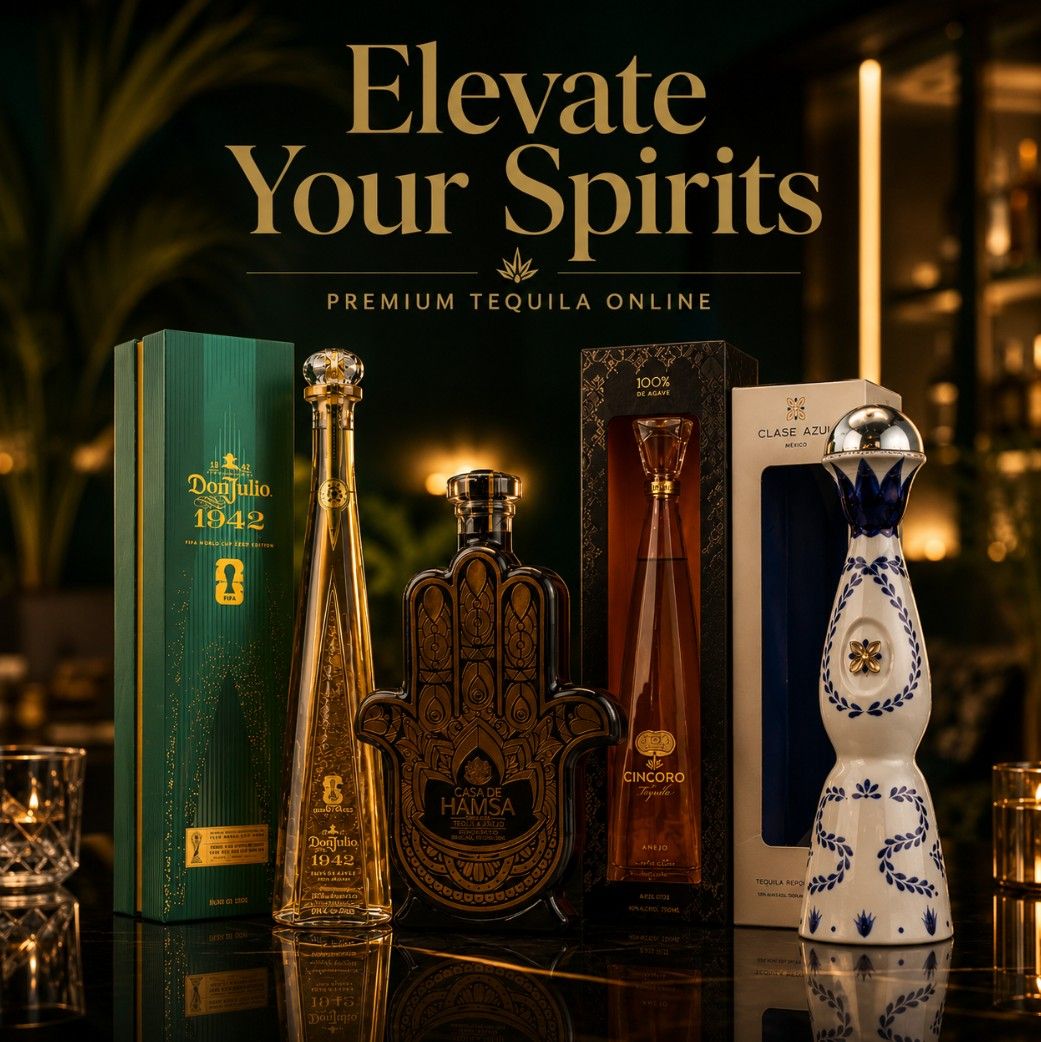
Premium tequila has moved far beyond its old reputation as a party shot served with salt and lime. Today, the category includes carefully made blanco tequilas that showcase the natural character of agave, gently matured reposados, rich añejos and highly collectable extra añejos presented in elaborate decanters.
Mexico’s wider spirits tradition also includes mezcal, with its remarkable range of agave varieties, regional production methods and flavours that can move from fresh fruit and herbs to earth, roasted agave and smoke.
The premium tequila collection at HTFW brings together established producers, traditional family-owned distilleries, luxury releases and modern celebrity-backed brands. Customers can also explore the dedicated mezcal collection, featuring artisanal bottlings from Oaxaca and other recognised mezcal-producing regions.
Whether searching for a smooth sipping tequila, a premium Margarita base, an impressive Mexican spirits gift or a rare bottle for a growing collection, understanding the different styles makes choosing the right bottle much easier.
What Makes a Premium Tequila?
The word “premium” is not a legally defined tequila category, but it is commonly used for bottles distinguished by their agave, production methods, maturation, flavour or presentation.
Important qualities may include:
- Production from 100% Blue Weber agave
- Mature agave harvested at the right stage
- Slow cooking in brick ovens
- Traditional tahona stone crushing
- Controlled fermentation
- Copper pot distillation
- Small-batch production
- Longer or more carefully managed oak maturation
- Distinctive single-estate or regional character
- Limited-edition or collectable presentation
A premium tequila does not necessarily need to be old or expensive. A carefully produced blanco can be every bit as complex as a mature añejo, but its flavours come primarily from agave, fermentation and distillation rather than oak.
The best choice depends on the drinker. Some prefer bright citrus, pepper and cooked agave, while others look for vanilla, caramel, dried fruit and mature oak.
How Is Tequila Made?
Tequila can only be produced from the Blue Weber variety of agave within the legally designated regions of Mexico. Most production is centred in Jalisco, although selected municipalities in several other Mexican states are also included.
Blue Weber agave takes years to mature. Once ready, skilled harvesters known as jimadores remove the long leaves using a sharp tool called a coa, leaving the large central hearts known as piñas.
These piñas are cooked to convert their complex carbohydrates into fermentable sugars. Producers may use traditional brick ovens, modern autoclaves or other approved cooking methods.
After cooking, the agave is crushed or milled to extract its juice. Traditional producers may use a large volcanic stone wheel known as a tahona, while others use mechanical roller mills.
The agave juice is fermented with yeast before being distilled, commonly twice, to create tequila. The spirit may then be bottled as a blanco or transferred to oak for reposado, añejo or extra añejo maturation.
Every stage influences the finished flavour:
- The agave provides sweetness, earth, herbs, citrus and pepper.
- Cooking develops roasted and caramelised notes.
- Fermentation creates fruit and aromatic complexity.
- Distillation shapes texture and concentration.
- Oak adds vanilla, spice, caramel and tannin.
What Does 100% Agave Tequila Mean?
Tequila is divided into two principal production categories.
A bottle labelled 100% agave obtains all its fermentable sugars from Blue Weber agave. These tequilas generally place greater emphasis on the character of the plant and its production region.
The second category is often known as mixto tequila. It must still use a majority of Blue Weber agave sugars, but other permitted sugar sources can contribute to fermentation.
Many premium bottles are labelled 100% agave, although this wording alone does not guarantee a particular flavour or production method. It remains useful when comparing bottles and understanding what forms the base of the spirit.
Understanding the Different Types of Tequila
Tequila is officially divided into several classes according to its treatment after distillation and the amount of time it spends in oak.
Blanco Tequila
Blanco, sometimes labelled silver or plata, is bottled without extended maturation. It may be rested briefly, but it is intended to preserve the clearest expression of the agave and distillation.
Typical flavours include:
- Cooked agave
- Lime and grapefruit
- Black or white pepper
- Fresh herbs
- Floral notes
- Mineral character
- Tropical fruit
Blanco tequila is ideal for drinkers who want to understand a producer’s core spirit. It is also the classic choice for Margaritas and Palomas.
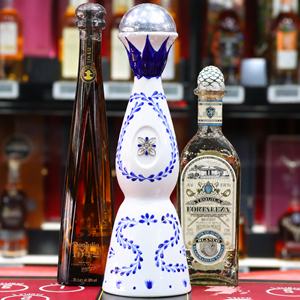
The Fortaleza Blanco Tequila is a particularly sought-after example, made from 100% agave using traditional stone-crushing methods. Its profile combines cooked agave sweetness with citrus and a long, complex finish.
For a stronger expression, Fortaleza Blanco Still Strength is bottled at 46% ABV, giving the natural agave, citrus and mineral character greater intensity.
Another premium option is Patrón El Cielo Silver Tequila, a light and refined expression designed to emphasise naturally sweet agave flavours.
Joven Tequila
Joven, also known as gold or oro, is commonly created by blending blanco tequila with matured tequila or through permitted finishing and mellowing methods.
The style can vary considerably. Some joven releases are designed as accessible mixing spirits, while luxury examples may combine carefully selected aged and unaged tequilas to balance fresh agave with mature oak.
Reposado Tequila
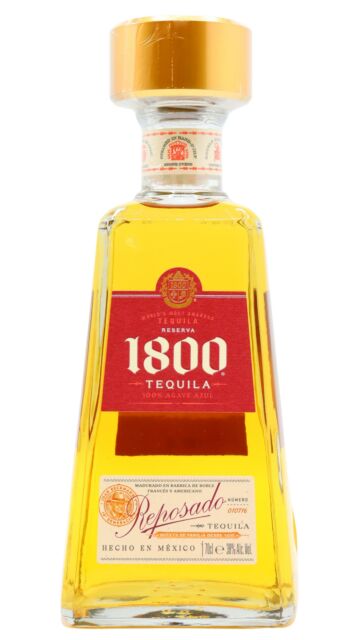
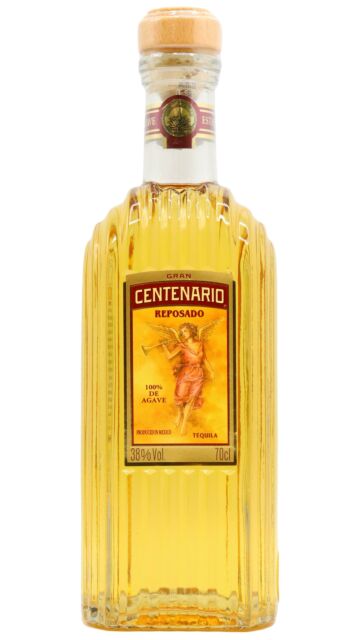
Reposado means “rested”. It must spend at least two months in contact with oak, although it is matured for less time than añejo tequila.
The relatively short maturation softens the spirit and adds wood-derived flavour while preserving much of the original agave character.
Common reposado notes include:
- Cooked agave
- Vanilla
- Caramel
- Citrus
- Cinnamon
- Gentle oak
- Pepper
- Honey
Teremana Reposado Small Batch Tequila is produced from 100% Blue Weber agave and matured in American whiskey barrels. It combines roasted agave and citrus with vanilla, caramel and gentle oak.
Fortaleza Reposado Tequila offers cooked agave, citrus, vanilla, apple, earth and cinnamon, with an oily texture and long, gently spiced finish.
For a more luxurious presentation, Patrón El Alto Reposado Tequila uses 100% Blue Weber agave grown in the elevated regions of Jalisco and arrives in a premium gift box.
Añejo Tequila
Añejo tequila must mature for at least one year but less than three years in oak casks with a maximum capacity of 600 litres.
Longer maturation creates deeper colour, a rounder texture and more developed flavours of vanilla, oak, spice, caramel and dried fruit.
Añejo is often the easiest tequila style for whisky, Cognac and aged-rum drinkers to approach.
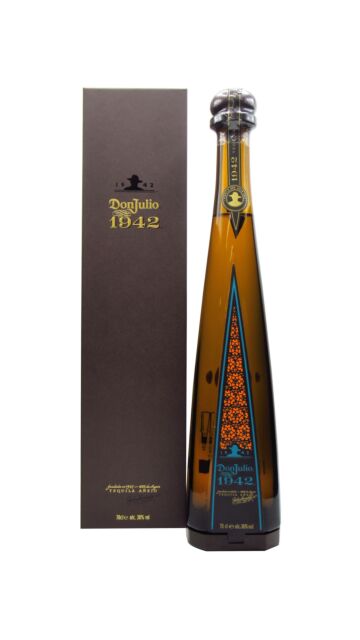
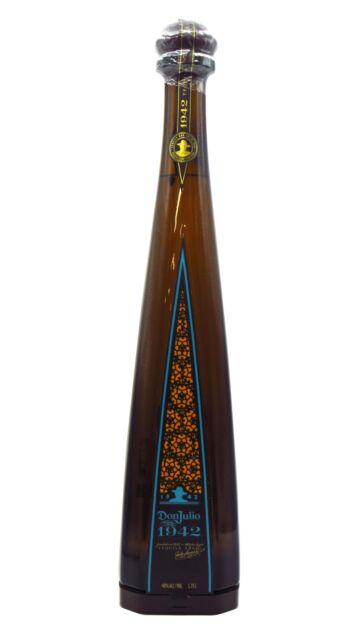
Don Julio 1942 Small Batch Añejo Tequila is one of the most recognisable luxury tequilas. Produced as a tribute to the year Don Julio González began his tequila-making journey, it offers warm oak, vanilla and roasted agave with an exceptionally smooth finish.
Fortaleza Añejo Tequila provides another highly regarded option, combining cooked agave with caramel, vanilla and butterscotch.
Extra Añejo Tequila
Extra añejo is the oldest official tequila class. It must spend at least three years maturing in oak casks no larger than 600 litres.
Extended ageing can create a spirit with the depth and structure of mature whisky or Cognac, including notes of:
- Dark caramel
- Vanilla
- Dried fruit
- Chocolate
- Roasted nuts
- Tobacco
- Leather
- Deep oak spice
These bottles are generally intended for slow sipping rather than heavily flavoured cocktails. Extra añejo tequila is also particularly appealing to collectors because production is limited by the time, cask management and evaporation involved.
Cristalino Tequila
Cristalino is an increasingly popular modern style made by filtering aged tequila to remove most or all of its colour.
The aim is to combine the smoothness and oak-derived flavour of mature tequila with the clear appearance associated with a blanco.
Don Julio 70 Cristalino Añejo Tequila provides an accessible introduction to the style, balancing aged-tequila character with a clean appearance and smooth texture.
Clase Azul and the Rise of Luxury Tequila
Few brands represent modern luxury tequila as clearly as Clase Azul.
Its releases are known for their hand-decorated ceramic decanters, Mexican craftsmanship and distinctive aged-agave profiles.
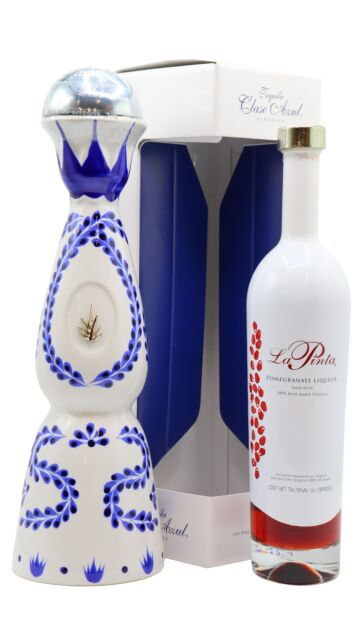
Clase Azul Reposado Tequila is produced from slow-cooked Blue Weber agave and matured in American whiskey casks. The tequila offers cooked agave, vanilla, caramel and gentle oak, while its sculptural decanter gives it immediate gifting and display appeal.
For collectors, the Clase Azul Reposado 1.75 Litre Magnum provides an even more imposing presentation.
Clase Azul has also moved beyond conventional tequila styles. Clase Azul Ahumado Blanco Tequila uses pit-roasted Blue Weber agave to create subtle campfire smoke while retaining blanco freshness.
The brand’s Mexican spirits collection also includes Clase Azul Guerrero Mezcal, with grapefruit skin, herbs and an elegant mineral character.
Celebrity Tequila with Genuine Drinking Appeal
Celebrity-owned tequila has become a major part of the premium spirits market. The most successful bottles combine a recognisable founder with a credible production story and a flavour that works beyond the name on the label.
Teremana was founded by Dwayne “The Rock” Johnson and is made in the Jalisco Highlands. Its Blanco, Reposado and Añejo expressions allow drinkers to explore increasing levels of barrel influence.
Michael Jordan is one of the founders behind Cincoro. Cincoro Blanco Tequila is a premium 100% agave tequila bottled at 40% ABV, with a polished presentation suited to gifting and home bars.
Celebrity connections can help introduce new customers to tequila, but production method, agave quality and flavour remain the most important considerations when choosing a bottle.
Tequila and Mezcal: What Is the Difference?
Tequila and mezcal are both Mexican agave spirits, but they are governed by different regulations and production traditions.
Tequila must be made from Blue Weber agave in its designated production region. Mezcal can be produced from a much wider range of agave varieties across its own legally protected regions.
Espadín is the most commonly used mezcal agave, but producers may also work with Tobalá, Tepeztate, Arroqueño and many other cultivated or wild varieties.
Many traditional mezcals are made by:
- Roasting agave hearts in underground pits.
- Crushing the cooked agave.
- Fermenting the juice and fibres in open vessels.
- Distilling in copper or clay stills.
Pit roasting can create smoky flavours, but mezcal is not defined by smoke alone. Depending on the agave and producer, it may taste fruity, floral, earthy, herbal, mineral, spicy or savoury.
Premium Mezcal to Explore
Dos Hombres Joven Mezcal was founded by actors Bryan Cranston and Aaron Paul. Produced in Oaxaca, it combines fresh agave with mango, apple and zapote fruit before a restrained smoky finish.
Del Maguey Vida de Muertos Mezcal offers a bolder combination of smoke, earth, fruit and spice. It can be sipped neat but also has enough flavour to remain clear in Margaritas and other agave cocktails.
Ilegal Añejo Mezcal introduces oak ageing to artisanal Oaxaca mezcal, creating a richer bridge between roasted agave and mature barrel flavours.
For drinkers exploring individual agave varieties, Montelobos Tobalá Mezcal is produced from hand-harvested Tobalá agave, traditionally roasted underground and fermented in open wooden vats.
Quiquiriqui Destilado de Cacao Pechuga Mezcal offers a more unusual experience, combining traditional single-palenque production with cacao influence.
Choosing the Best Tequila for Cocktails
Different tequila styles suit different drinks.
Margarita
Blanco tequila produces the freshest and most citrus-led Margarita. Reposado adds vanilla, gentle oak and a rounder texture.
A classic recipe combines:
- 50ml tequila
- 25ml orange liqueur
- 25ml fresh lime juice
- 10ml agave syrup, optional
Shake with ice and strain into a salt-rimmed glass.
Paloma
Blanco and reposado both work well in a Paloma.
Combine tequila with fresh lime and grapefruit soda over ice. Blanco gives the drink a crisp, peppery profile, while reposado adds softness and vanilla.
Tequila Old Fashioned
Añejo or extra añejo tequila can replace whiskey in an Old Fashioned.
Stir 50ml tequila with a small amount of agave syrup and aromatic bitters before serving over one large ice cube with orange peel.
Mezcal Margarita
Replacing part or all of the tequila with mezcal creates a smokier, earthier Margarita.
Drinkers new to mezcal can begin with an equal blend of blanco tequila and mezcal before moving towards a full mezcal serve.
How to Sip Premium Tequila and Mezcal
Quality agave spirits do not require salt and lime.
Serve tequila or mezcal at room temperature in a small tasting glass with an opening narrow enough to concentrate the aromas.
Allow the spirit to rest briefly before tasting. Begin by looking for broad flavour groups such as:
- Cooked agave
- Citrus
- Tropical or orchard fruit
- Herbs
- Pepper
- Vanilla
- Caramel
- Oak
- Smoke
- Earth and minerals
Take small sips rather than drinking it as a shot. A few drops of water can help with higher-strength bottlings, although most standard tequilas are already presented at an approachable strength.
Traditional mezcal may be served with orange slices and sal de gusano, a seasoned salt, but this is optional. The spirit should be tasted by itself first.
Premium Tequila Gifts and Collectable Bottles
Tequila has become one of the strongest spirits categories for gifting.
Luxury decanters, limited editions and celebrity associations make many bottles visually impressive, while the range of flavour styles allows the gift to be matched to the recipient.
Strong choices include:
- Clase Azul Reposado for presentation and craftsmanship
- Don Julio 1942 for luxury sipping
- Fortaleza for traditional tequila enthusiasts
- Patrón El Alto for premium gift-box presentation
- Teremana for Dwayne Johnson fans
- Cincoro for basketball and Michael Jordan collectors
- Dos Hombres for fans of Bryan Cranston and Aaron Paul
- KAH Tequila for distinctive Día de los Muertos-inspired bottles
The KAH 100% Agave Blanco Tequila is particularly recognisable for its colourful skull-shaped presentation, inspired by Mexican Día de los Muertos traditions.
Limited sporting and cultural editions can also offer collector appeal. The Don Julio 1942 FIFA World Cup 2026 Edition presents the established añejo in a gold bottle inspired by the World Cup trophy.
How to Choose the Right Mexican Spirit
Choose blanco tequila for bright agave, citrus, pepper and classic cocktails.
Choose reposado tequila for a balance of fresh agave, vanilla and gentle oak.
Choose añejo tequila for richer caramel, spice and mature sipping character.
Choose extra añejo tequila for maximum oak influence, depth and luxury gifting.
Choose cristalino tequila for an aged profile with a clean, clear appearance.
Choose joven mezcal for the clearest expression of roasted agave, herbs, fruit and smoke.
Choose aged mezcal for a combination of traditional agave character and mature barrel flavours.
The best approach is not to assume that older is always better. Blanco reveals the quality of the agave and distillation most directly, while oak-aged tequila introduces an additional layer rather than automatically improving the spirit.
Frequently Asked Questions
Is tequila only made in Mexico?
Yes. Tequila is a legally protected Mexican spirit and must be produced within its designated geographical area.
Is all tequila made from agave?
Yes. Tequila must use Blue Weber agave, although only bottles labelled 100% agave obtain all their fermentable sugars from the plant.
What is the smoothest tequila style?
Reposado and añejo are often perceived as smoother because oak maturation softens the spirit and adds vanilla and caramel. A well-made blanco can also be exceptionally refined.
What is the best tequila for Margaritas?
Blanco is the traditional choice because its fresh agave, citrus and pepper remain clear beside lime and orange liqueur. Reposado creates a richer and rounder Margarita.
What is the best tequila for sipping?
Premium reposado, añejo and extra añejo tequilas are particularly well suited to sipping, although traditional blanco tequila can provide the purest expression of agave.
Is mezcal always smoky?
No. Smoke is common because many producers roast agave in underground pits, but mezcal can also offer fruit, flowers, herbs, earth, minerals and spice.
Is mezcal stronger than tequila?
Not necessarily. Both categories are bottled across a range of strengths. Individual mezcal releases are sometimes presented at higher ABVs to preserve traditional flavour and texture.
Why is premium tequila expensive?
Price can reflect mature agave, slower production, traditional equipment, small batches, extended maturation, cask losses, limited availability and elaborate presentation.
Does expensive tequila need to be chilled?
No. Premium tequila is generally best served at room temperature so its aromas remain clear. Ice can be added when a colder, softer drink is preferred.
Final Thoughts
Premium tequila and Mexican spirits offer far more variety than one drinking style or flavour profile.
Blanco tequila reveals fresh Blue Weber agave, citrus, herbs and pepper. Reposado introduces vanilla and gentle oak, while añejo and extra añejo develop richer caramel, dried fruit, spice and mature wood.
Mezcal expands the category further through different agave varieties, traditional pit roasting and regional methods that can create smoky, fruity, floral, herbal and earthy spirits.
Traditional bottles from Fortaleza can be explored alongside luxury releases from Clase Azul and Don Julio, premium Patrón expressions and modern celebrity-owned brands such as Teremana, Cincoro and Dos Hombres.
Whether searching for a Margarita tequila, a smooth after-dinner añejo, a handcrafted mezcal or an impressive gift, the growing premium Mexican spirits category offers a bottle for every occasion.
Shop premium tequila online at HTFW or explore the wider selection of artisanal mezcal.