

















Dumbarton (silent)
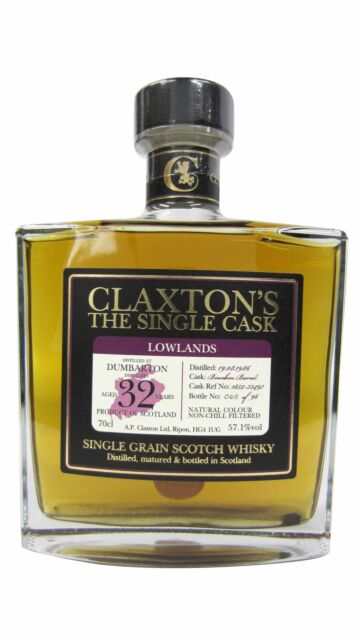
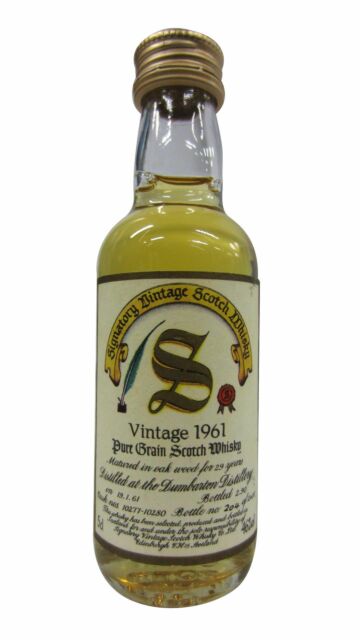
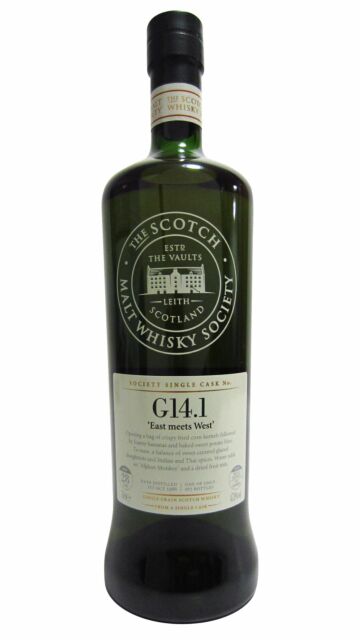
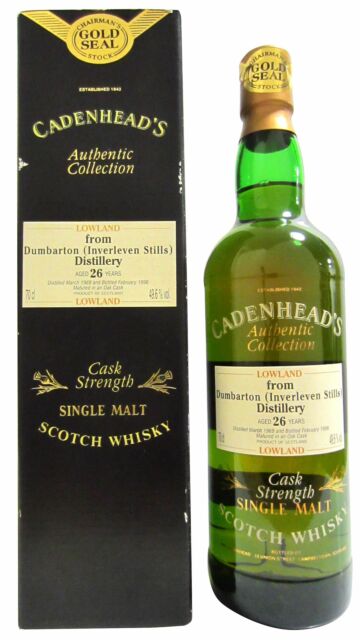
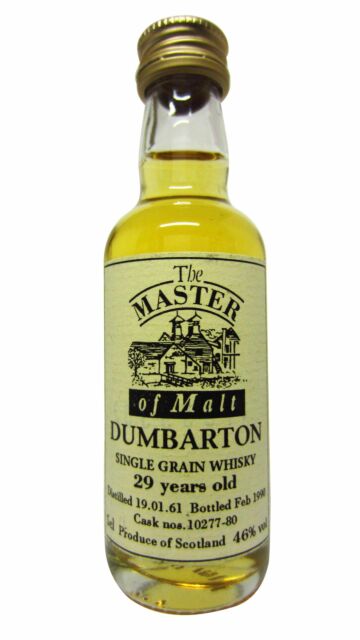
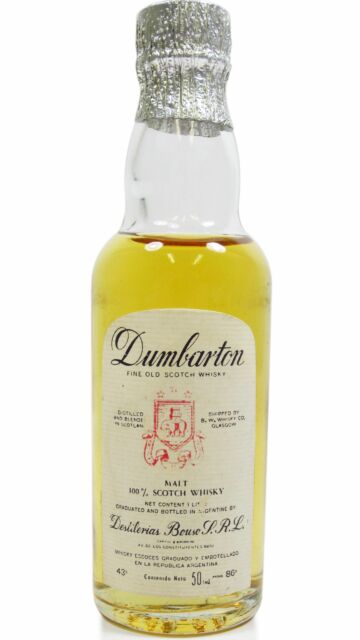
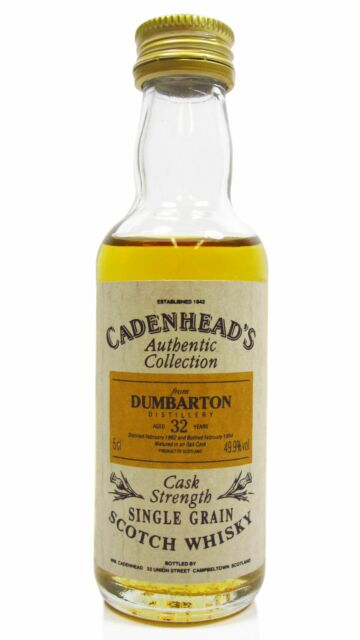
(dum-BAR-tun) Dumbarton was built in 1938 by Hiram Walker in the town of Dumbarton, two years after the company had acquired George Ballantine & Co., and it quickly became one of the most important grain distilleries in Scotch whisky. At the time it began production, it was the largest continuous grain distillery in Scotland, and its scale reflected its main role: supplying grain whisky for Ballantine’s and other blends rather than building a large identity as a standalone single grain brand.
(dum-BAR-tun) Dumbarton was built in 1938 by Hiram Walker in the town of Dumbarton, two years after the company had acquired George Ballantine & Co., and it quickly became one of the most important grain distilleries in Scotch whisky. At the time it began production, it was the largest continuous grain distillery in Scotland, and its scale reflected its main role: supplying grain whisky for Ballantine’s and other blends rather than building a large identity as a standalone single grain brand.