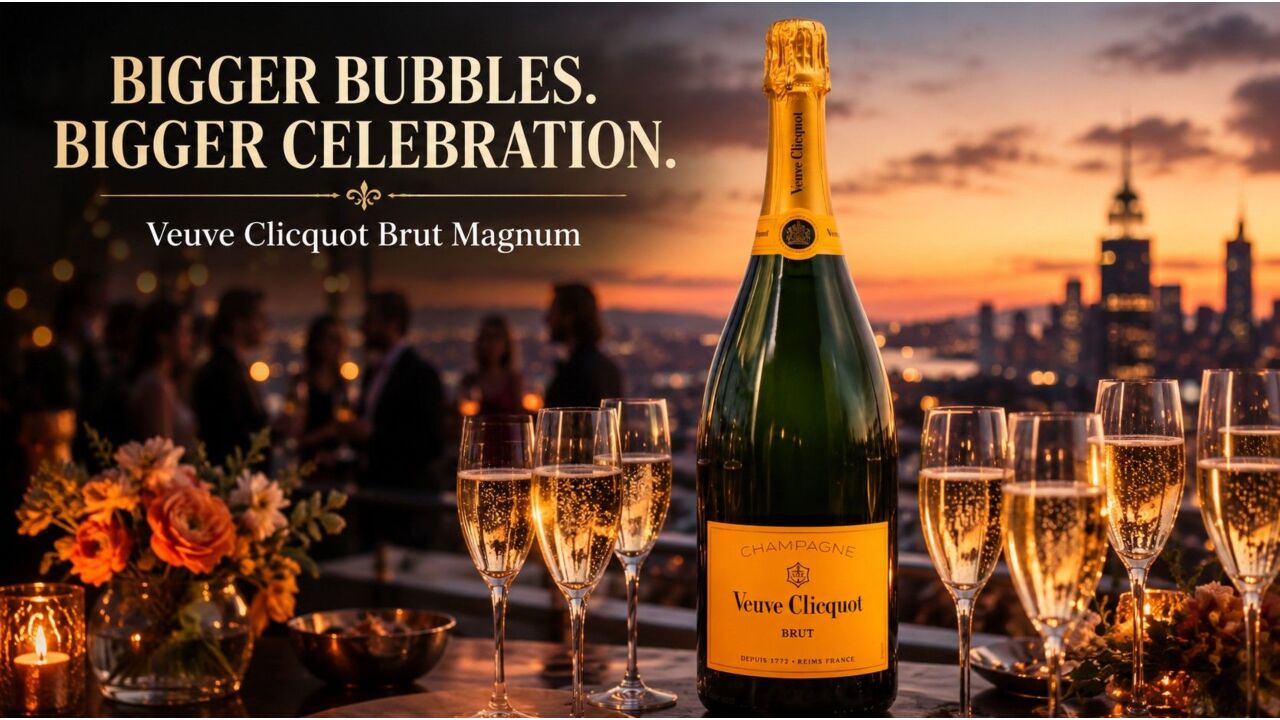

















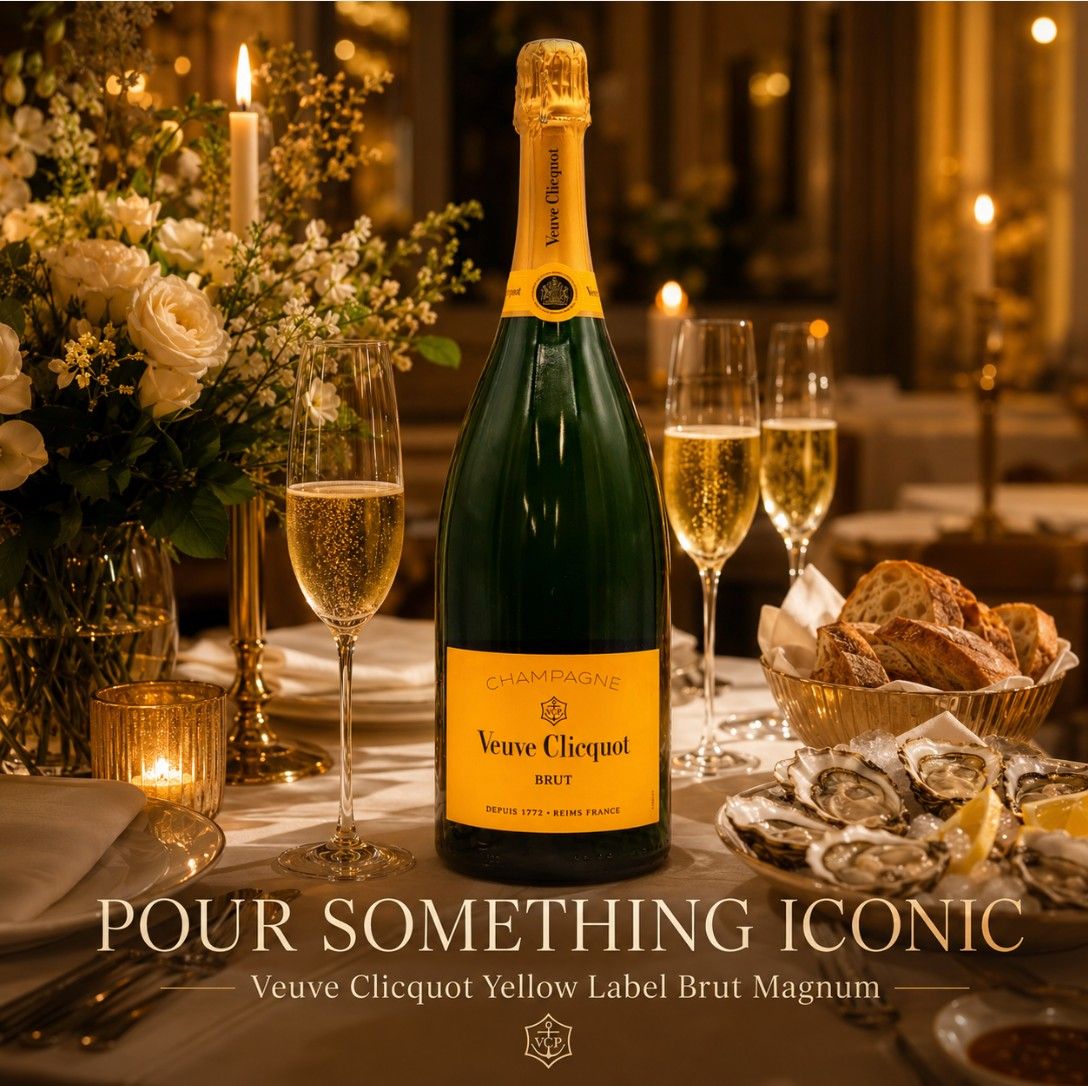
Few bottles make the beginning of a celebration quite as clear as a Champagne magnum.
Veuve Clicquot Yellow Label Brut Champagne in a 1.5-litre magnum combines the instantly recognisable Yellow Label presentation with a format designed for sharing.
Containing twice the volume of a standard 75cl bottle, the magnum provides enough Champagne for approximately 10 to 12 glasses, depending on the size of each serving. It is ideal for weddings, birthdays, anniversaries, Christmas gatherings, corporate events and any occasion where one standard bottle may disappear too quickly.
The wine inside is Veuve Clicquot’s signature non-vintage Brut Champagne. Pinot Noir gives the blend its structure and strength, Chardonnay adds freshness and finesse, and Meunier contributes roundness and fruit.
Pear, apple and peach lead the aromatic profile, followed by mandarin, grapefruit, brioche and a subtle dried-fruit richness developed through ageing on the lees.
The result is full-bodied enough to accompany food but fresh enough to serve as an aperitif. Presented at 12.5% ABV in a substantial 150cl bottle, it delivers the familiar Yellow Label style with the additional presence and ceremony of a magnum.
Customers can buy Veuve Clicquot Yellow Label Brut Champagne Magnum, explore the complete Veuve Clicquot collection, or browse more bottles within HTFW’s extensive Champagne range.
Veuve Clicquot Yellow Label Magnum: Key Details
The current bottle available from Hard To Find Whisky has the following specifications:
- Producer: Veuve Clicquot
- Expression: Yellow Label Brut
- Style: Non-vintage Brut Champagne
- Bottle size: 150cl
- Format: Magnum
- Equivalent standard bottles: Two 75cl bottles
- Alcohol strength: 12.5% ABV
- Country of origin: France
- Region: Champagne
- Primary grape: Pinot Noir
- Additional grapes: Chardonnay and Meunier
- Dosage: Brut, approximately 9g per litre
- Recommended serving temperature: 8–10°C
- Approximate servings: 10–12 glasses
- Packaging: Unboxed
- Primary flavours: Pear, apple, peach, citrus, brioche and dried fruit
- Best suited to: Celebrations, parties, weddings, gifting and dining
This is a non-vintage Champagne, meaning the blend combines wines from more than one harvest rather than representing a single declared year.
What Is a Champagne Magnum?
A Champagne magnum is a bottle containing 1.5 litres, or 150cl.
That is exactly twice the volume of a conventional 75cl Champagne bottle.
The recognised Champagne bottle-size sequence includes:
- Half bottle: 37.5cl
- Standard bottle: 75cl
- Magnum: 150cl
- Jeroboam: 300cl
- Rehoboam: 450cl
- Methuselah: 600cl
- Salmanazar: 900cl
- Balthazar: 1,200cl
- Nebuchadnezzar: 1,500cl
Although much larger formats exist, the magnum is often considered one of the most practical celebration sizes.
It provides enough Champagne for a group without becoming excessively difficult to chill, carry or pour. It also creates significantly more visual impact than a standard bottle when placed on a dining table, bar or wedding display.
The Yellow Label magnum therefore works as both a serving bottle and part of the occasion itself.
How Many Glasses Are in a Veuve Clicquot Magnum?
A 1.5-litre magnum contains approximately 10 to 12 Champagne servings.
The exact number depends on the size of each pour.
At 125ml Per Glass
A 125ml serving provides approximately 12 glasses.
This is a useful size for:
- Wedding toasts
- Reception drinks
- Corporate events
- Larger parties
- Serving Champagne alongside canapés
- Sharing among a group before dinner
At 150ml Per Glass
A 150ml serving provides approximately 10 glasses.
This is more appropriate when the Champagne is being enjoyed over a longer period or served with food.
Smaller Toasting Measures
For a large formal toast, smaller measures may allow the magnum to serve more guests.
However, it is sensible to plan conservatively. Pouring too generously at the beginning can leave later guests with very little.
When calculating Champagne for an event, consider:
- Number of guests
- Whether other drinks are available
- Whether Champagne is for a single toast or the full reception
- Size of the glassware
- Length of the occasion
- Whether the wine will accompany a meal
For larger events, customers can also consider the Veuve Clicquot Yellow Label case of twelve.
Why Choose a Magnum Instead of Two Standard Bottles?
A magnum contains the same quantity of Champagne as two standard bottles, but the experience is not identical.
Greater Visual Impact
A 1.5-litre bottle immediately creates a sense of occasion.
The larger Veuve Clicquot label, broad bottle and substantial weight make it an attractive centrepiece for:
- Wedding tables
- Birthday parties
- Anniversary dinners
- Engagement celebrations
- Christmas gatherings
- Corporate events
- Restaurant tables
- Presentation photographs
Opening one large bottle also feels more ceremonial than opening two conventional bottles separately.
Easier Group Service
A single magnum can be placed at the centre of a table and shared between approximately 10 to 12 guests.
It reduces the need to open another bottle halfway through a toast and ensures that everyone is drinking from the same bottle.
Strong Ageing Reputation
Magnums are widely valued for the way Champagne develops inside the larger bottle.
The magnum uses a neck and cork similar in size to those of a standard bottle but contains twice as much wine. This creates a lower proportion of oxygen in relation to the volume of Champagne.
As a result, development after bottling is generally slower. The larger format can encourage gradual integration while preserving freshness.
Veuve Clicquot itself notes that magnums age more slowly than standard bottles, making them especially attractive for customers interested in keeping Champagne for a future occasion.
A More Memorable Gift
A magnum feels more substantial than a conventional bottle.
It is particularly effective when celebrating:
- A major birthday
- A wedding
- An engagement
- A retirement
- A promotion
- A new home
- A business achievement
- A significant anniversary
The recognisable Yellow Label branding also makes the gift easy to identify, even for recipients who are not dedicated Champagne collectors.
What Is Veuve Clicquot Yellow Label?
Yellow Label Brut is the signature non-vintage Champagne produced by Veuve Clicquot.
Rather than representing one harvest, it is blended to maintain the recognised House style from year to year.
Veuve Clicquot defines that style through four central qualities:
- Strength
- Aromatic richness
- Freshness
- Silkiness
Pinot Noir provides the underlying power and structure. Chardonnay brings elegance, acidity and finesse, while Meunier creates roundness and accessible fruit.
Reserve wines from previous harvests are used to maintain consistency and provide additional depth.
This means that Yellow Label is intended to taste recognisably like Veuve Clicquot regardless of natural differences between individual growing seasons.
It is approachable enough for a large celebration while retaining sufficient body and complexity for a meal.
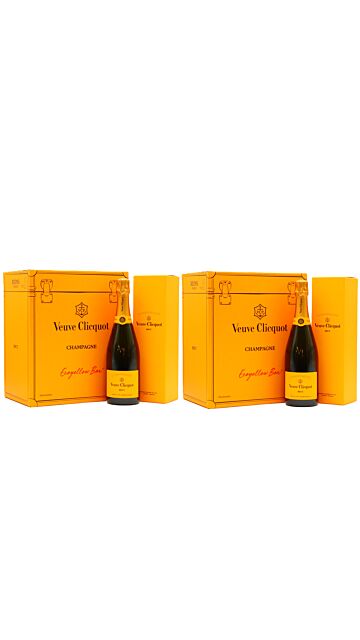
Customers looking for the same Champagne in a smaller gift presentation can choose the Veuve Clicquot Yellow Label Brut 75cl Gift Box.
What Grapes Are Used in Veuve Clicquot Yellow Label?
The current Yellow Label blend is built around three principal Champagne grape varieties:
- 50% Pinot Noir
- 30% Chardonnay
- 20% Meunier
Each variety has a specific role.
Pinot Noir
Pinot Noir forms the backbone of Yellow Label.
It contributes:
- Structure
- Body
- Strength
- Red-fruit undertones
- Greater food-pairing versatility
- The ability to develop with age
Its prominence explains why Yellow Label often feels fuller and more structured than lighter Chardonnay-led Champagnes.
Chardonnay
Chardonnay provides:
- Freshness
- Citrus
- Elegance
- Floral lift
- Acidity
- Finesse
It prevents the Pinot Noir from making the blend feel excessively heavy and supports the Champagne’s clean, energetic finish.
Meunier
Meunier contributes:
- Roundness
- Ripe fruit
- Softness
- Immediate accessibility
- Balance through the middle of the palate
It helps make Yellow Label enjoyable without requiring extended bottle ageing after purchase.
The combination creates a Champagne that moves from fresh fruit into pastry, dried fruit and a structured finish.
Why Are Reserve Wines Important?
Non-vintage Champagne depends heavily on reserve wines.
These are wines retained from previous harvests and stored for future blending. They allow a Champagne House to preserve its established style even when weather and growing conditions change from one year to the next.
Up to 45% of the Yellow Label blend can be made from reserve wines.
Veuve Clicquot maintains an exceptionally extensive library containing hundreds of different reserve wines, some aged for decades.
These wines help provide:
- Consistency
- Aromatic depth
- Greater complexity
- Mature fruit
- Pastry notes
- Dried-fruit character
- A connection between different harvest years
The final Yellow Label blend may draw from between 50 and 60 individual crus.
This makes the Champagne considerably more complex in construction than a simple mixture of three grape varieties.
Each component must contribute to the final balance without disrupting the recognised House style.
Is Yellow Label a Vintage Champagne?
No. Veuve Clicquot Yellow Label is a non-vintage Champagne.
A vintage Champagne is produced primarily or entirely from grapes harvested during one declared year. It is usually created only when the House considers the growing season worthy of an individual vintage release.
A non-vintage Champagne combines wines from several years.
This allows the producer to:
- Maintain a consistent style
- Balance difficult and successful harvests
- Use mature reserve wines
- Add depth to younger base wines
- Create a dependable House expression
Non-vintage does not mean low quality or young in every respect.
Yellow Label may contain a substantial proportion of older reserve wines, and the finished Champagne undergoes ageing before release.
Customers wanting to compare the signature non-vintage blend with a single-harvest expression can explore Veuve Clicquot Vintage Brut 2015.
What Does “Brut” Mean?
Brut describes the sweetness level of the finished Champagne.
Yellow Label has a dosage of approximately 9g of sugar per litre, placing it comfortably within the Brut category.
Brut Champagne is dry rather than entirely sugar-free.
The dosage helps balance Champagne’s naturally high acidity and brings harmony to the finished wine.
In Yellow Label, the controlled sweetness supports:
- Pear
- Peach
- Brioche
- Dried fruit
- Caramelised pastry
- Citrus
It does not produce the noticeably sweet profile associated with Demi-Sec Champagne.
Customers interested in exploring more wines of this style can browse HTFW’s complete Brut Champagne collection.
Veuve Clicquot Yellow Label Magnum Tasting Notes
Appearance
Brilliant golden yellow with a fine, persistent stream of bubbles.
The magnum presentation enhances the visual impact as the Champagne is poured, particularly when served into clear tulip-shaped glasses.
Nose
Fresh pear, crisp apple and ripe peach appear first.
Mandarin and grapefruit provide citrus brightness, followed by brioche, pastry and a subtle touch of dried fruit.
The aroma balances youthful freshness with the deeper character provided by reserve wines and ageing on the lees.
Palate
Structured and silky.
Pinot Noir provides body and strength, while Chardonnay brings freshness and lift. Meunier softens the centre of the palate with rounded fruit.
Pear and peach are joined by citrus zest, pastry and gentle toasted notes.
Finish
Clean, persistent and balanced.
Fresh fruit gradually gives way to brioche, dried fruit and a restrained nutty character, with enough acidity to keep the finish lively.
Is Veuve Clicquot Yellow Label Sweet?
Yellow Label is dry rather than sweet.
Its 9g-per-litre dosage sits within the Brut category, although ripe fruit and pastry flavours can create an impression of gentle sweetness.
Drinkers may notice:
- Ripe peach
- Pear
- Brioche
- Pastry
- Dried fruit
These are balanced by:
- Citrus
- Fresh acidity
- Fine bubbles
- Pinot Noir structure
- A clean finish
Customers who usually avoid very dry wines may still find Yellow Label approachable because its acidity is supported by fruit, texture and reserve-wine richness.
Is Veuve Clicquot Yellow Label Dry?
Yes. Yellow Label is classified as Brut Champagne and has a dry overall profile.
It is not as austere as an Extra Brut or Brut Nature Champagne, but it finishes fresher and drier than a Demi-Sec.
For a leaner and lower-dosage expression from the same House, consider Veuve Clicquot Extra Brut Extra Old.
Extra Brut Extra Old is created exclusively from reserve wines and places greater emphasis on mature complexity, minerality and dryness.
The History of Veuve Clicquot
The Clicquot Champagne House was founded in Reims in 1772 by Philippe Clicquot.
Its defining period began in 1805, when Philippe’s daughter-in-law, Barbe-Nicole Clicquot Ponsardin, took control following the death of her husband, François Clicquot.
She was only 27 years old.
At a time when women faced severe restrictions within business, Madame Clicquot took responsibility for the company and developed it into an internationally recognised Champagne House.
Her achievements included:
- Creating the first recorded vintage Champagne in 1810
- Successfully exporting Champagne to Russia during a period of political and commercial instability
- Developing the riddling table in 1816
- Producing the first known blended rosé Champagne in 1818
- Building the Clicquot name into a recognised international brand
Her influence earned her the description “La Grande Dame of Champagne”.
Today, Veuve Clicquot’s prestige cuvée carries the La Grande Dame name in her honour.
Customers can explore her legacy through Veuve Clicquot La Grande Dame 2018.
What Does “Veuve Clicquot” Mean?
“Veuve” is the French word for widow.
The name therefore refers directly to Widow Clicquot: Barbe-Nicole Clicquot Ponsardin.
After taking control of the House following her husband’s death, she became widely known as Madame Clicquot or Veuve Clicquot.
The name is more than branding. It reflects the individual responsible for several of the most important innovations in the history of Champagne.
Why Is the Label Yellow?
The distinctive Yellow Label trademark was registered in 1877.
The bright colour helped customers distinguish the House’s dry Champagne from other styles and made the bottle immediately recognisable.
Over time, the label became one of the most familiar visual identities in Champagne.
Its colour is often described as yellow, orange or golden-yellow depending on lighting and presentation, but Yellow Label remains the established name of the cuvée.
On the magnum, the larger label and broader bottle make the design particularly prominent.
What Was the Riddling Table?
During secondary fermentation, Champagne develops sediment from spent yeast inside the bottle.
Historically, removing this sediment cleanly was difficult.
Madame Clicquot developed the first riddling table in 1816. Bottles could be held at an angle and turned gradually, moving the sediment towards the neck before disgorgement.
This helped produce brilliantly clear Champagne without sacrificing its sparkle.
The principle remains central to traditional-method sparkling wine production today, although large producers may use automated gyropalettes alongside manual riddling.
The invention transformed Champagne production and became one of Madame Clicquot’s most important contributions to the industry.
What Is Blended Rosé Champagne?
In 1818, Madame Clicquot created the first known rosé Champagne made by blending red wine with white Champagne.
This differed from earlier methods that used other preparations to add colour.
The blending approach allowed the producer to create a more controlled balance of:
- Red-fruit flavour
- Colour
- Structure
- Freshness
- Champagne character
The technique remains widely used by Champagne Houses.
Customers can explore this style through Veuve Clicquot Brut Rosé Champagne, which builds on the Yellow Label blend and introduces red wine for additional depth and berry fruit.
How Should Veuve Clicquot Magnum Be Served?
Yellow Label should be served chilled at approximately 8–10°C.
This temperature preserves the freshness and bubbles while allowing pear, peach, citrus and brioche to remain expressive.
Serving Champagne too warm can make it feel broad and reduce its refreshing character.
Serving it excessively cold can suppress aroma and make the wine taste sharper than intended.
Chilling in a Refrigerator
Place the magnum in the lower part of the refrigerator several hours before serving.
A magnum takes longer to chill than a standard bottle because it contains twice the volume of wine.
For an important event, chilling it in advance is preferable to trying to cool it immediately before guests arrive.
Chilling in an Ice Bucket
Fill a sufficiently large Champagne bucket with approximately equal quantities of ice and water.
Water is important because it creates contact around the bottle and chills more evenly than ice alone.
A standard bucket may not be large enough for a magnum, so check the fit before the event.
Rotate the bottle carefully to encourage even cooling, avoiding vigorous movement that could disturb the Champagne.
Which Glass Is Best for Yellow Label?
A tulip-shaped Champagne glass is one of the best choices.
It combines:
- Sufficient height for the bubbles
- A wider bowl for aroma
- A narrower rim to concentrate fragrance
- Enough space to appreciate the wine’s texture
A traditional flute preserves bubbles effectively but may restrict the development of brioche, fruit and reserve-wine aromas.
A wide coupe offers visual appeal but allows bubbles and aroma to escape more quickly.
A white-wine glass can also work well, particularly when Yellow Label is served with food.
For a large celebration, consistency matters more than perfection. Clean, dry glasses without detergent residue will help the bubbles form properly.
How to Open a Veuve Clicquot Magnum Safely
A magnum is heavier than a standard bottle and should be opened carefully.
Step One: Chill the Bottle Properly
Cold Champagne is safer to open because the internal pressure is more controlled.
Step Two: Dry the Bottle
Remove condensation with a clean cloth so that the glass does not slip.
Step Three: Keep the Bottle Pointed Away
Never direct the cork towards a person, glass object, light fitting or valuable surface.
Step Four: Hold the Cork Firmly
Keep a thumb over the cork while removing the foil and loosening the wire cage.
The cage can remain over the cork for additional grip.
Step Five: Tilt the Bottle
Hold the bottle at approximately 30 to 45 degrees.
Step Six: Rotate the Bottle
Grip the cork and turn the bottle slowly from the base.
Do not twist or pull the cork aggressively.
Step Seven: Control the Release
Allow the cork to leave with a quiet sigh rather than a loud explosion.
A controlled opening preserves more Champagne and reduces the risk of injury.
Because a magnum is heavy, asking another person to steady the base may help when opening one for the first time.
How Should a Magnum Be Poured?
Hold the bottle securely with one hand around the lower body or base and the other supporting its weight.
A full 1.5-litre bottle is considerably heavier than a standard Champagne bottle.
Pour a small amount into each glass first, allowing the initial foam to settle.
Return for a second pour to bring each glass to the desired level.
This approach:
- Reduces overflowing
- Creates more even servings
- Prevents excessive foam
- Helps distribute the bottle among guests
- Makes the heavy bottle easier to control
Avoid filling Champagne glasses to the rim. Leaving space allows the aroma to develop and makes the glass easier to carry.
What Food Goes with Veuve Clicquot Yellow Label?
Yellow Label is sufficiently structured to move beyond aperitif service and accompany a full range of dishes.
Canapés
Smoked salmon blinis, cheese gougères, pastry bites and light seafood canapés work naturally with the wine’s freshness and brioche character.
Oysters and Shellfish
Fresh acidity cuts through the richness of oysters, prawns, crab and lobster.
Citrus notes within the Champagne connect particularly well with shellfish served with lemon or grapefruit.
Smoked Salmon
The Champagne’s bubbles and acidity refresh the palate, while its Pinot Noir structure prevents it from disappearing beside the smoked fish.
Sushi and Sashimi
Clean fish flavours work with Yellow Label’s pear, citrus and fine bubbles.
Avoid excessively sweet sauces, which may make the Champagne appear sharper.
Fried Chicken
The combination of Champagne and fried food is particularly effective.
Acidity and bubbles cut through the coating and oil, while brioche and pastry notes echo the browned crust.
Roast Chicken
Roast poultry brings out Yellow Label’s body, dried fruit and toasted flavours.
It is an excellent choice when serving Champagne throughout a meal rather than only during a toast.
Burgers
Veuve Clicquot recommends Yellow Label alongside a burger with grilled meat, caramelised onions and melted cheddar.
The Pinot Noir-led structure supports the meat, acidity refreshes the palate, and brioche notes connect naturally with the bread.
Hard Cheese
Comté, mature cheddar, Gouda and Parmesan provide salt and savoury depth without overwhelming the Champagne.
Vegetable Dishes
Roasted vegetables, tempura and lightly stir-fried vegetables work well, particularly when the dish includes citrus, herbs or a restrained creamy element.
Brunch
Yellow Label can accompany:
- Eggs Benedict
- Smoked salmon
- Pastries
- Soft-boiled eggs
- Quiche
- Fruit
- Lightly spiced breakfast dishes
The magnum format is especially suitable for larger brunch gatherings.
Is Veuve Clicquot Magnum Good for Weddings?
Yes. The bottle is particularly well suited to weddings because it combines recognisable branding, visual impact and practical volume.
It can be used for:
- The couple’s table
- A wedding toast
- Reception service
- Photographs
- An engagement party
- An anniversary celebration
- A gift for the couple
- A private bottle for the wedding party
One magnum provides around 10 to 12 glasses, so several bottles may be required when serving the full guest list.
For large weddings, standard bottles or cases may be easier for the service team to handle. The magnum can then be reserved for the main table, photographs or the formal toast.
Is It a Good Birthday or Anniversary Gift?
The magnum format makes Yellow Label particularly suitable for significant milestones.
Popular occasions include:
- 18th, 21st, 30th, 40th or 50th birthdays
- Silver wedding anniversaries
- Golden wedding anniversaries
- Engagements
- Retirements
- Promotions
- New-business celebrations
- Graduation
- Moving into a new home
The bottle is supplied unboxed, so customers planning to present it as a formal gift may wish to consider how it will be wrapped or displayed.
For a boxed but smaller alternative, the Veuve Clicquot Yellow Label 75cl Gift Box may be more convenient.
How Should an Unopened Magnum Be Stored?
Store unopened Champagne in a cool, dark place with a stable temperature.
Avoid:
- Direct sunlight
- Radiators
- Kitchens with major temperature changes
- Warm cupboards
- Conservatories
- Garages
- Repeated movement
- Strong vibration
For short-term storage before an event, the magnum can remain upright in a cool room or refrigerator.
For longer ageing, a proper wine cellar or temperature-controlled cabinet is preferable.
Veuve Clicquot gives Yellow Label a general ageing potential of approximately three to five years, although storage conditions and personal preference will influence the ideal drinking point.
The magnum format develops more slowly than a standard bottle and can be particularly suitable for gradual ageing.
Can Yellow Label Magnum Be Kept After Opening?
Champagne is best enjoyed soon after opening.
A proper sparkling-wine stopper can preserve the pressure and freshness for a limited period when the bottle is returned immediately to the refrigerator.
Because a magnum contains a large volume, it is sensible to have an effective stopper available before the event.
Do not rely on the popular spoon-in-the-bottle method. A secure Champagne stopper provides a far better seal.
For best quality, aim to finish the bottle during the event or within approximately one to two days after opening.
Yellow Label Magnum vs the Standard 75cl Bottle
The liquid style is the same, but the formats suit different occasions.
Yellow Label Magnum
- 150cl
- Equivalent to two standard bottles
- Approximately 10–12 glasses
- Greater visual impact
- Better suited to groups
- Slower bottle development
- Impressive gift or centrepiece
- Supplied unboxed on the current HTFW listing
Yellow Label 75cl Gift Box
- 75cl
- Approximately five to six glasses
- Easier to chill
- Easier to carry and pour
- Boxed presentation
- Better suited to smaller gatherings
- Convenient as an individual gift
Choose the Veuve Clicquot Yellow Label Magnum for a substantial celebration.
Choose the Yellow Label 75cl Gift Box when presentation and convenience matter more than volume.
A 37.5cl half bottle is also available for one or two people.
Yellow Label Magnum vs Veuve Clicquot Rosé
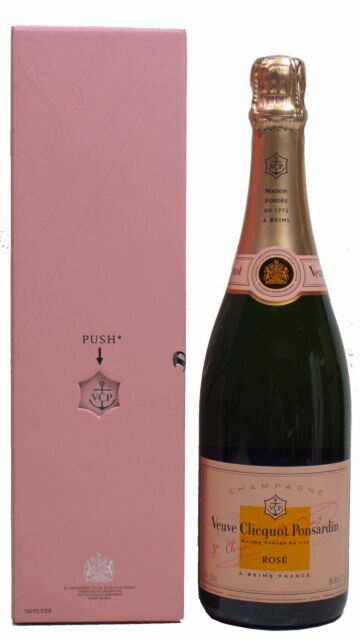
Veuve Clicquot Brut Rosé builds on the Yellow Label style with the addition of red wine.
Yellow Label
- Golden appearance
- Pear, apple and peach
- Citrus
- Brioche
- Dried fruit
- Structured by Pinot Noir
- Classic and versatile
Veuve Clicquot Rosé
- Pink appearance
- Strawberry and raspberry
- Cherry and blueberry
- Pastry and biscuit
- Orange peel
- Greater red-fruit intensity
- Particularly suited to fruit desserts and richer seafood
Yellow Label is the more traditional and universally versatile choice.
Rosé is better suited to customers who want a visibly distinctive bottle and a more pronounced berry-fruit profile.
Yellow Label vs Veuve Clicquot Vintage 2015
Veuve Clicquot Vintage Brut 2015 represents one declared harvest rather than a multi-year blend.
Yellow Label Magnum
- Non-vintage
- Blended for consistency
- Uses up to 45% reserve wines
- Pear, peach, citrus and brioche
- 150cl celebration format
- Designed around the established House style
Vintage 2015
- Produced from the 2015 harvest
- Reflects the conditions of one year
- Longer, more individual development
- Greater vintage specificity
- 75cl gift-box presentation
- Suited to collectors and vintage-Champagne drinkers
Yellow Label is the better option for a large event.
Vintage 2015 is better suited to a focused tasting, significant date or recipient who appreciates the individuality of a declared vintage.
Yellow Label vs Extra Brut Extra Old
Veuve Clicquot Extra Brut Extra Old is created exclusively from the House’s reserve wines.
Yellow Label
- 9g-per-litre Brut dosage
- Fresh fruit
- Brioche
- Balanced richness
- Accessible and versatile
- Suitable for large celebrations
Extra Brut Extra Old
- Lower dosage
- Reserve-wine-led
- Drier style
- Greater mature complexity
- More mineral and developed
- Suited to experienced Champagne drinkers
Yellow Label is broader and more immediately approachable.
Extra Brut Extra Old provides a more specialist exploration of aged reserve wines and lower dosage.
Yellow Label vs La Grande Dame
Veuve Clicquot La Grande Dame 2018 is the House’s prestigious vintage cuvée.
Yellow Label Magnum
- Signature non-vintage expression
- 50% Pinot Noir
- Designed for consistency
- Fruit, pastry and freshness
- Large sharing format
- More accessible price point
La Grande Dame 2018
- Prestige vintage Champagne
- 90% Pinot Noir
- Created in tribute to Madame Clicquot
- Greater precision and depth
- More age-worthy
- Intended for special dining and collecting
Yellow Label represents the established Veuve Clicquot House style.
La Grande Dame offers a more concentrated, vintage-specific expression of the House’s relationship with Pinot Noir.
How Does It Compare with Other Champagne Magnums?
Customers considering Veuve Clicquot may also compare it with other leading non-vintage magnums.
Moët & Chandon Brut Impérial Magnum
Moët & Chandon Brut Impérial Magnum offers a fruit-forward and widely recognised alternative.
Moët typically emphasises:
- Green apple
- Citrus
- White flowers
- Brioche
- A lively and accessible palate
Veuve Clicquot generally feels more structured and Pinot Noir-led.
Moët is often lighter and more fruit-focused, while Yellow Label offers greater body and pastry character.
Bollinger Special Cuvée Magnum
Bollinger Special Cuvée Magnum is a richer and more developed alternative.
Bollinger is known for:
- Strong Pinot Noir influence
- Mature reserve wines
- Toast
- Nuts
- Baked apple
- A broader, more vinous style
Yellow Label remains powerful but usually feels fresher and more immediately approachable.
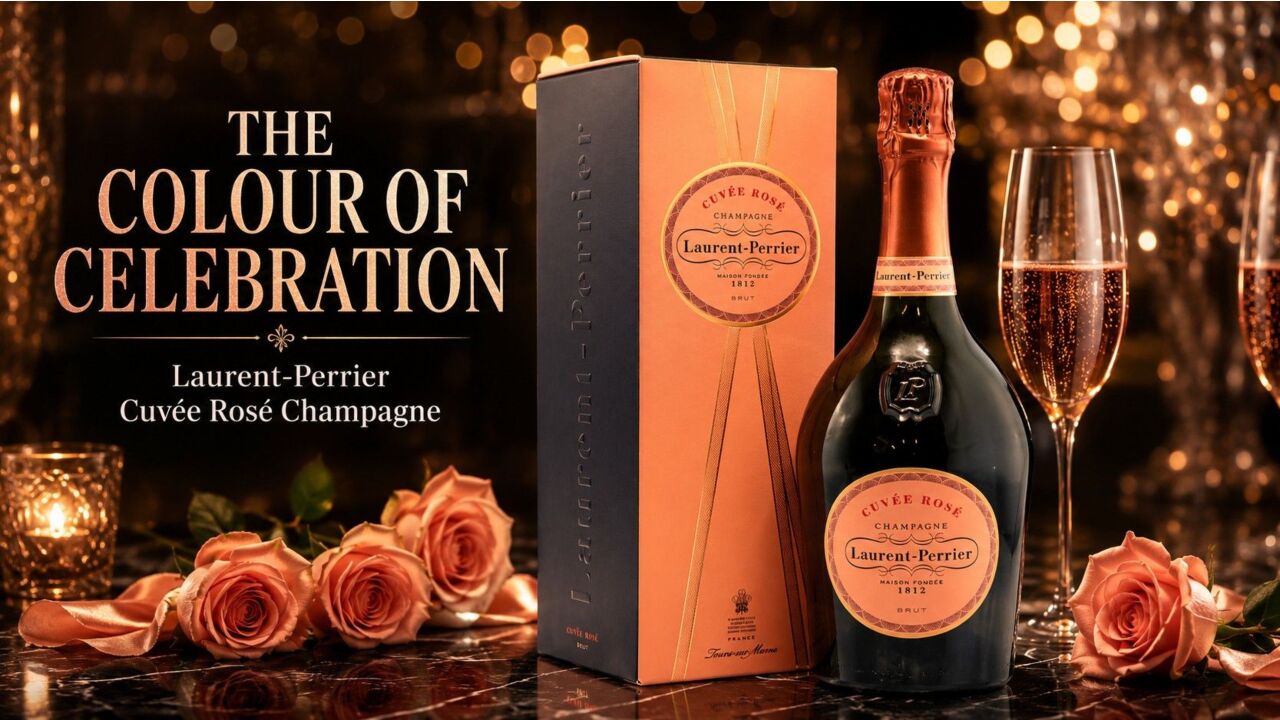
Laurent-Perrier La Cuvée Magnum
Laurent-Perrier La Cuvée Magnum places greater emphasis on Chardonnay.
It generally offers:
- Citrus
- White flowers
- Freshness
- Elegance
- A lighter texture
Laurent-Perrier is the fresher and more Chardonnay-driven option.
Veuve Clicquot offers more Pinot Noir structure, fruit richness and brioche.
Frequently Asked Questions
What is Veuve Clicquot Yellow Label Magnum?
It is a 1.5-litre bottle of Veuve Clicquot’s signature non-vintage Brut Champagne.
How big is the bottle?
The magnum contains 150cl, equivalent to two standard 75cl bottles.
How many glasses does it provide?
It provides approximately 10 to 12 glasses, depending on the serving size.
What is the alcohol strength?
The current HTFW bottle is listed at 12.5% ABV.
Is it vintage Champagne?
No. Yellow Label is a non-vintage blend containing wines from multiple harvest years.
Which grapes are used?
The blend contains approximately 50% Pinot Noir, 30% Chardonnay and 20% Meunier.
Does it contain reserve wines?
Yes. Up to 45% of the blend can consist of reserve wines.
What does it taste like?
Expect pear, apple, peach, mandarin, grapefruit, brioche, pastry and subtle dried fruit.
Is it sweet?
It is dry rather than sweet, with a Brut dosage of approximately 9g per litre.
What colour is it?
It has a brilliant golden-yellow appearance with fine, persistent bubbles.
What is the best serving temperature?
Serve it at approximately 8–10°C.
How long does a magnum take to chill?
It takes longer than a standard bottle. Several hours in a refrigerator or careful chilling in a large ice-and-water bucket is recommended.
Is the bottle boxed?
The current HTFW product listing describes the magnum as unboxed.
Is a magnum exactly two bottles?
Yes. A 150cl magnum contains the same volume as two 75cl bottles.
Does Champagne taste different from a magnum?
The basic blend remains the same, but Champagne develops more slowly in a magnum. Enthusiasts often value the format for its gradual ageing and integration.
Is Veuve Clicquot Yellow Label good for weddings?
Yes. Its recognisable presentation, large format and approximately 10–12 servings make it particularly suitable for weddings.
Is it a good anniversary gift?
Yes. The magnum provides a more substantial and memorable presentation than a standard bottle.
Can it be served with food?
Yes. Yellow Label works with seafood, smoked salmon, fried chicken, roast poultry, burgers, vegetables and hard cheeses.
Which glass should be used?
A tulip-shaped Champagne glass or suitable white-wine glass allows both bubbles and aroma to develop.
Can a magnum be opened like a normal bottle?
The method is similar, but the bottle is much heavier. Keep it properly chilled, point it away from people and rotate the bottle while controlling the cork.
Can it be stored?
Yes. Store it in a cool, dark location with a stable temperature.
How long can it age?
Veuve Clicquot gives Yellow Label a general ageing potential of approximately three to five years. Magnums develop more slowly than standard bottles under suitable conditions.
How long does it keep after opening?
Use a proper Champagne stopper, refrigerate immediately and aim to finish it within one or two days.
Is Yellow Label better than Veuve Clicquot Rosé?
Neither is objectively better. Yellow Label is more classic and versatile, while Rosé provides stronger berry-fruit flavours.
Is it suitable for Champagne cocktails?
It can be used in cocktails, although the magnum is best suited to direct service. Simple Champagne cocktails should avoid covering the wine’s fruit and brioche character.
Where is Veuve Clicquot made?
It is produced in the Champagne region of France, with the House based in Reims.
When was Veuve Clicquot founded?
The Clicquot House was founded in 1772.
Who was Madame Clicquot?
Barbe-Nicole Clicquot Ponsardin took control of the House in 1805 and became one of Champagne’s most important innovators.
Why is it called Veuve Clicquot?
“Veuve” means widow in French, referring to Widow Clicquot.
When was the Yellow Label introduced?
The Yellow Label trademark was registered in 1877.
Why Veuve Clicquot Yellow Label Magnum Stands Out
The Yellow Label magnum succeeds because it combines a dependable Champagne with a genuinely celebratory format.
The wine is not experimental or difficult to understand.
Its flavour profile is built around recognisable characteristics:
- Pear
- Apple
- Peach
- Citrus
- Brioche
- Dried fruit
- Fine bubbles
- Fresh acidity
Pinot Noir gives it sufficient structure for food, while Chardonnay and Meunier keep the wine fresh and rounded.
The magnum then adds practical and visual value.
It serves a larger group, develops more slowly than a standard bottle and creates a clear centrepiece when opened at the table.
For customers choosing Champagne for a wedding, anniversary, milestone birthday or major gathering, it offers the confidence of an internationally recognised House without requiring specialist wine knowledge.
Buy Veuve Clicquot Yellow Label Magnum
Veuve Clicquot Yellow Label Brut Champagne Magnum contains 1.5 litres of the House’s signature Pinot Noir-led non-vintage Champagne.
Bottled at 12.5% ABV, it delivers pear, apple, peach, citrus, brioche and dried fruit through a structured yet silky palate.
The bottle contains the equivalent of two standard bottles and provides approximately 10 to 12 servings, making it ideal for weddings, birthdays, anniversaries, Christmas parties and larger dinners.
Serve it chilled at 8–10°C as an aperitif or pair it with seafood, fried chicken, roast poultry, burgers and mature cheese.
Shop the Veuve Clicquot Yellow Label 1.5-Litre Magnum, explore the wider Veuve Clicquot range, browse more Brut Champagne, or discover the complete Champagne collection at Hard To Find Whisky.