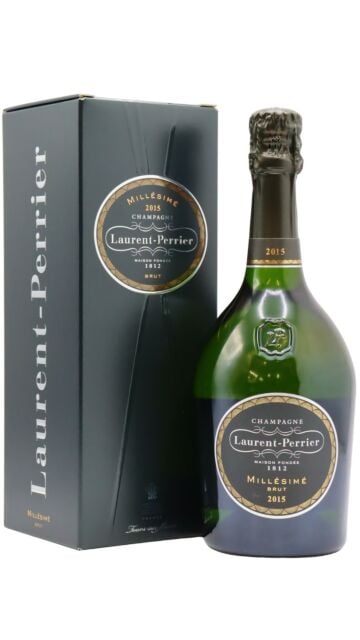






















Few bottles are as immediately recognisable as Laurent-Perrier Cuvée Rosé Brut Champagne. Its curved bottle, distinctive pink colour and reputation for expressive red-fruit character have made it one of the best-known rosé Champagnes in the world.
First introduced in 1968, Laurent-Perrier Cuvée Rosé helped redefine what non-vintage rosé Champagne could be. Instead of simply creating a pink Champagne through blending, Laurent-Perrier developed a carefully controlled Pinot Noir maceration process designed to extract natural colour, aroma and flavour directly from the grape skins.
The result is a Champagne with the freshness and precision associated with Laurent-Perrier, combined with the richer fruit profile and structure of Pinot Noir. It is generous enough to accompany food, refined enough to serve as an aperitif and beautifully presented for gifting.
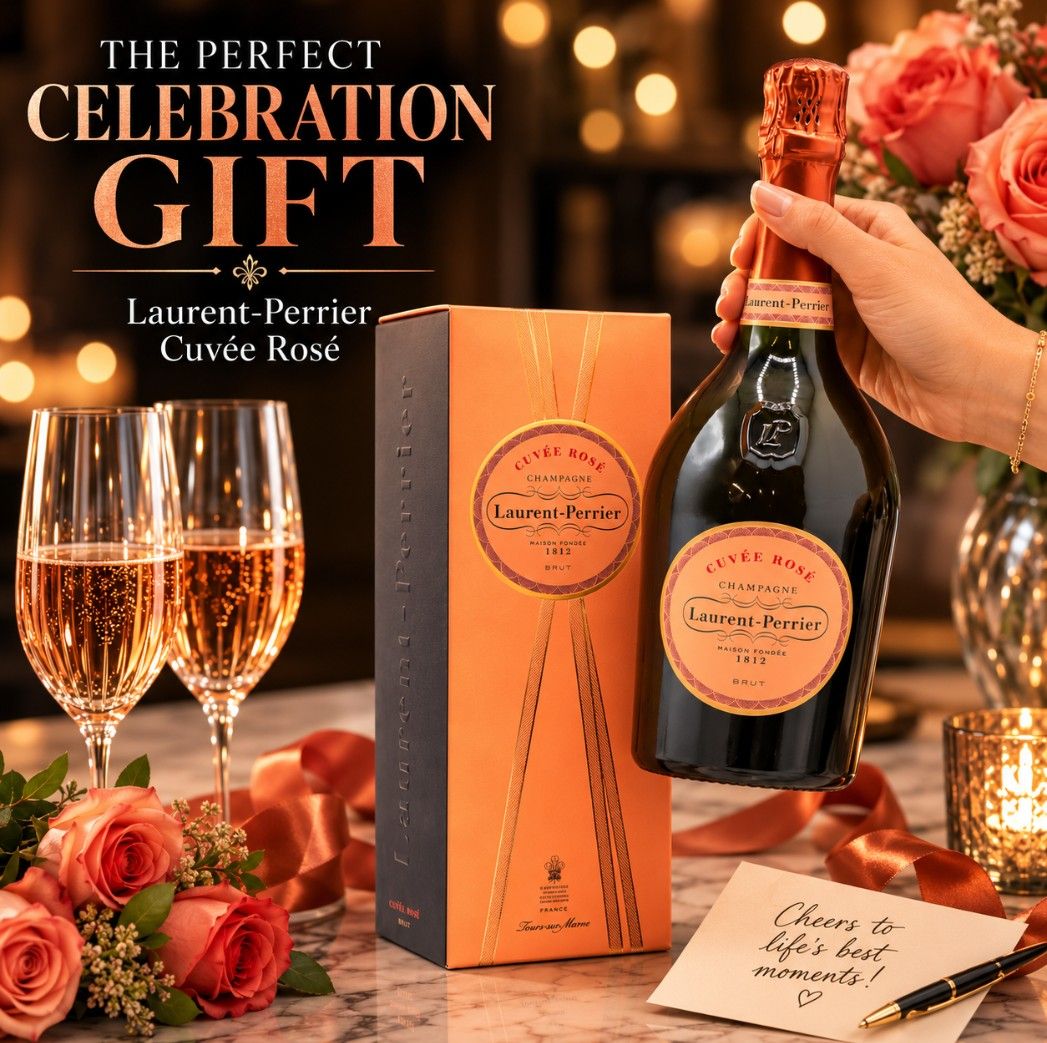
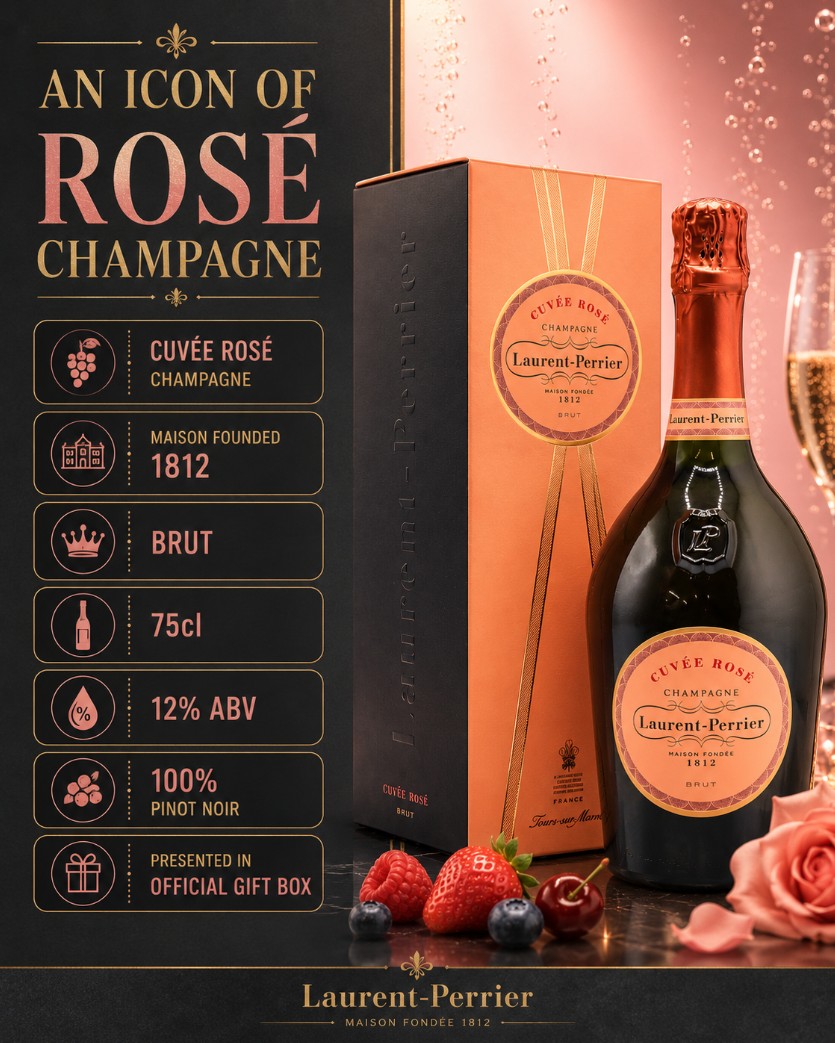
For those looking to discover one of the most established names in pink Champagne, the Laurent-Perrier Cuvée Rosé Brut Champagne Gift Box offers the classic 75cl bottle at 12% ABV in a branded presentation box.
The History of Laurent-Perrier
Laurent-Perrier was established in Tours-sur-Marne in 1812, placing it among the historic Champagne houses that helped shape the region’s international reputation.
The business began when André-Michel Pierlot, a former cooper and bottler, settled in Tours-sur-Marne and established himself as a Champagne wine merchant. The house later passed to cellar master Eugène Laurent. Following his death in 1887, his widow Mathilde-Emilie Perrier took control and combined the family names to create Veuve Laurent-Perrier.
A significant new chapter began in 1939 when Marie-Louise de Nonancourt purchased the estate. Her son, Bernard de Nonancourt, became chief executive in 1948 after returning from the Second World War and completing a demanding apprenticeship across the vineyards and cellars.
Under Bernard de Nonancourt, Laurent-Perrier developed a distinctive house style built around freshness, elegance and purity. He also encouraged a more innovative approach to Champagne production, including temperature-controlled stainless-steel fermentation, precise blending and the development of new Champagne styles.
Laurent-Perrier remains family-owned and independent, an increasingly notable position among the major Champagne houses. The company continues to operate from Tours-sur-Marne, a Grand Cru village located between several of the principal vineyard areas of Champagne.
Customers interested in exploring the wider house portfolio can browse the full Laurent-Perrier Champagne collection available at Hard To Find Whisky.
When Was Laurent-Perrier Cuvée Rosé Created?
Laurent-Perrier Cuvée Rosé was introduced in 1968.
At the time, rosé Champagne did not enjoy the widespread popularity it has today. Bernard de Nonancourt believed that Pinot Noir could produce a more aromatic, expressive and gastronomic style of rosé Champagne when handled through carefully managed skin contact.
Rather than treating rosé as a secondary variation of the house’s white Champagne, Laurent-Perrier created a wine with its own production process and identity. That decision proved highly influential, helping Cuvée Rosé become one of the most recognisable wines in the Laurent-Perrier portfolio.
More than five decades later, it remains a central reference point for anyone exploring premium rosé Champagne.
How Is Laurent-Perrier Cuvée Rosé Made?
The production method is one of the most important reasons Laurent-Perrier Cuvée Rosé stands apart.
Rosé Champagne can broadly be produced in two ways. The most widespread method involves adding a proportion of still red wine to a white Champagne blend. The alternative is maceration, where dark grape skins remain in contact with the juice for a controlled period, extracting colour, aroma and flavour.
Laurent-Perrier Cuvée Rosé is made using the maceration method.
The Champagne is produced exclusively from Pinot Noir sourced from selected crus in the Montagne de Reims. The house lists ten different crus within the blend, allowing the cellar team to combine complementary expressions of Pinot Noir while maintaining consistency from one release to the next.
During harvest, the grapes are selected before entering the winery. A further selection takes place on sorting tables, after which the grapes are destemmed and transferred into dedicated stainless-steel maceration vats.
The skins remain in contact with the juice for approximately 48 to 72 hours, depending on the characteristics of the harvest. Pump-overs are carried out during this stage to encourage controlled extraction. The process develops the Champagne’s natural pink colour while capturing the aromatic character of the Pinot Noir.
Once the desired level of extraction has been achieved, the juice is separated from the solid grape material and fermentation begins. The finished Champagne is then aged in Laurent-Perrier’s cellars for five years, allowing its fruit, acidity and fine mousse to develop greater balance and complexity.
Is Laurent-Perrier Cuvée Rosé a Saignée Champagne?
Laurent-Perrier describes Cuvée Rosé as a maceration rosé.
The terms maceration and saignée are sometimes used interchangeably, but there can be technical distinctions between them. In a maceration rosé, black grape skins remain in contact with the juice to extract colour and flavour. In a traditional saignée process, some of the coloured juice may be “bled” from a vat after a period of contact with the skins.
What matters most in the case of Laurent-Perrier Cuvée Rosé is that its colour and expressive red-fruit character come naturally from Pinot Noir skin contact rather than from adding finished red wine to a white Champagne blend.
The official Champagne industry recognises both blending and maceration as established methods for producing rosé Champagne.
Why Is Pinot Noir Important?
Pinot Noir is one of Champagne’s principal grape varieties and is particularly valued for its structure, fruit intensity and ability to add depth to a blend.
Laurent-Perrier Cuvée Rosé is made from 100% Pinot Noir. This gives the wine a noticeably more pronounced fruit profile than many pale, delicately blended rosé Champagnes.
The grape brings aromas and flavours associated with:
- Fresh raspberry
- Wild strawberry
- Redcurrant
- Black cherry
- Red cherry
- Cranberry
- Subtle spice
- Delicate floral notes
Pinot Noir also gives Cuvée Rosé enough body to pair with a wider variety of dishes than many lighter aperitif Champagnes. Despite that extra structure, Laurent-Perrier retains the fresh acidity and clean finish that define the house style.
What Does Laurent-Perrier Cuvée Rosé Taste Like?
Laurent-Perrier Cuvée Rosé is best known for its aromatic red-fruit character, lively freshness and refined texture.
Appearance
The Champagne displays a bright raspberry-pink colour when first poured, developing attractive salmon tones as it opens in the glass. The mousse is fine and persistent, giving the wine an elegant appearance and lively texture.
Nose
The aroma is fresh, expressive and fruit-led. Raspberry, strawberry, redcurrant and black cherry are particularly prominent, supported by hints of rose petal, citrus peel and gentle mineral freshness.
Palate
The palate delivers ripe red berries, wild strawberry, raspberry and cherry, balanced by crisp acidity and a fine stream of bubbles. The Pinot Noir brings structure and intensity, but the overall style remains precise rather than heavy.
Finish
The finish is clean, persistent and refreshing, with lingering notes of red fruit, citrus and subtle spice.
The house itself describes the experience as being similar to plunging into a basket of freshly picked red fruits, which accurately captures the Champagne’s combination of aromatic intensity and freshness.
Is Laurent-Perrier Cuvée Rosé Sweet?
Laurent-Perrier Cuvée Rosé is a Brut Champagne, so it is not intended to taste overtly sweet.
Its ripe strawberry, raspberry and cherry notes can create an impression of natural fruit sweetness, but this is balanced by Champagne’s characteristic acidity and effervescence. The finished wine is fresh, dry and structured rather than sugary.
This balance makes it suitable for drinkers who enjoy expressive fruit but still want the crispness expected from a premium Brut Champagne.
Those wishing to compare it with more traditional styles can explore the wider selection of Brut Champagne available from Hard To Find Whisky.
Is Laurent-Perrier Cuvée Rosé Vintage or Non-Vintage?
The standard Laurent-Perrier Cuvée Rosé is a non-vintage Champagne.
Non-vintage does not mean lower quality. It means the house can draw upon wines from different harvests to maintain a consistent flavour profile and house style. This is particularly important for a Champagne as established as Cuvée Rosé, where customers expect the same balance of red-fruit intensity, freshness and elegance from one release to the next.
For collectors seeking a more age-specific expression, Laurent-Perrier also produces the prestigious Laurent-Perrier Alexandra Rosé Millésimé. This is a vintage rosé Champagne created only in suitable harvest years and made using Pinot Noir and Chardonnay from selected Grand Cru vineyards.
The Alexandra Rosé sits at a considerably higher level within the Laurent-Perrier portfolio, while Cuvée Rosé remains the more accessible introduction to the house’s distinctive approach to pink Champagne.
What Food Goes with Laurent-Perrier Cuvée Rosé?
Laurent-Perrier Cuvée Rosé is an excellent food Champagne because it combines bright acidity with the depth of Pinot Noir.
It works well as an aperitif, but its fuller red-fruit character also allows it to accompany starters, seafood, poultry, lightly spiced food and fruit-based desserts.
Seafood and Fish
The Champagne pairs particularly well with:
- Smoked salmon
- Salmon tartare
- Tuna tataki
- Sushi and sashimi
- Grilled prawns
- Lobster
- Crab
- Seared scallops
Its acidity refreshes the palate, while the red-fruit profile complements richer fish such as salmon and tuna.
Meat and Poultry
Pinot Noir gives Cuvée Rosé enough structure for:
- Roast duck
- Duck breast with berry sauce
- Charcuterie
- Parma ham
- Roast chicken
- Pork tenderloin
- Lightly grilled lamb
- Cold roast beef
It is generally best to avoid very heavy sauces that might overwhelm the Champagne’s freshness.
Vegetarian Pairings
Suitable vegetarian combinations include:
- Beetroot and goat’s cheese
- Tomato tart
- Grilled vegetables
- Mushroom dishes
- Falafel and mezze
- Spiced hummus
- Soft and creamy cheeses
Laurent-Perrier specifically highlights the wine’s ability to work with dishes that combine spice, creaminess and savoury flavours, as its acidity cuts through richer textures while the Pinot Noir adds enough body to remain present.
Desserts
Cuvée Rosé works best with desserts that are not excessively sweet.
Good options include:
- Fresh strawberries
- Raspberry tart
- Red berry pavlova
- Strawberry cheesecake
- Dark chocolate and raspberry
- Summer fruit salad
- Macarons
Fruit-led desserts echo the Champagne’s natural flavour profile without masking its freshness.
How Should Laurent-Perrier Cuvée Rosé Be Served?
Laurent-Perrier Cuvée Rosé is best served well chilled, but not so cold that its aromas become muted.
A serving temperature of approximately 8°C to 10°C is suitable. A bottle taken directly from a very cold refrigerator may benefit from a few minutes at room temperature before serving.
A tulip-shaped Champagne glass or white-wine glass is preferable to a narrow flute. The wider bowl gives the red-fruit aromas more room to develop while still retaining the bubbles.
Open the bottle carefully by keeping a thumb over the cork, loosening the wire cage and slowly turning the bottle rather than the cork. A controlled sigh is better than a dramatic pop, as it preserves more of the Champagne’s carbonation.
Can Laurent-Perrier Cuvée Rosé Be Kept?
Laurent-Perrier Cuvée Rosé is ready to drink when purchased, but a properly stored bottle can continue to develop.
Over time, the fresh raspberry and strawberry character may evolve towards softer notes of dried fruit, spice, pastry and toast. Those who prefer the Champagne’s bright, immediate fruit expression will generally enjoy it younger, while drinkers who appreciate more mature characteristics may choose to cellar it.
Store the bottle in a cool, dark environment with a stable temperature. Avoid direct sunlight, strong vibration and regular temperature changes.
Once opened, the Champagne is best enjoyed the same day. A proper sparkling-wine stopper can preserve some carbonation for the following day, although the wine will gradually lose freshness and pressure.
Why Is the Laurent-Perrier Bottle So Distinctive?
The shield-shaped bottle has become an important part of the Cuvée Rosé identity.
Its rounded shoulders, curved profile and embossed presentation are inspired by traditional bottle designs associated with the period of King Henri IV. The form helps distinguish Cuvée Rosé from more conventionally packaged Champagnes and has contributed greatly to its status as a recognisable luxury gift.
The bottle’s appearance also reflects the vivid colour of the wine, making it especially effective as a centrepiece at weddings, anniversaries, dinners and other celebrations.
The Laurent-Perrier Cuvée Rosé Champagne Gift Box adds a further layer of presentation while helping to protect the bottle during storage and gifting.
Is Laurent-Perrier Cuvée Rosé a Good Gift?
Laurent-Perrier Cuvée Rosé is one of the most dependable Champagne gifts because it combines a famous name, distinctive packaging and an approachable flavour profile.
It is particularly suitable for:
- Weddings
- Engagements
- Anniversaries
- Birthdays
- Valentine’s Day
- Mother’s Day
- Christmas
- Housewarmings
- Corporate gifts
- Dinner-party hosts
The wine feels celebratory without requiring specialist knowledge to appreciate it. Its fruit-led character is immediately appealing, while its production method and history offer additional interest for experienced Champagne drinkers.
For larger gatherings or particularly impressive gifts, the Laurent-Perrier Cuvée Rosé 1.5 Litre Magnum provides the same recognised cuvée in a striking large-format bottle.
How Does Laurent-Perrier Cuvée Rosé Compare with Other Rosé Champagnes?
Laurent-Perrier Cuvée Rosé occupies an important position within the premium non-vintage rosé category.
Its defining characteristic is the intensity and purity of its Pinot Noir fruit. Some competing rosé Champagnes lean towards a paler, more citrus-led style, while others show greater toast, creaminess or maturity.
Bollinger Rosé
Bollinger Rosé Brut NV Champagne is generally broader and more vinous in style, with red berries, spice and a richer, more structured palate. It is a strong alternative for drinkers who prefer a fuller Champagne.
Veuve Clicquot Rosé
Veuve Clicquot Brut Rosé Champagne offers a recognisable house style combining red fruit with rounded texture and toasty depth. It is another well-established luxury gift option.
Moët & Chandon Rosé Impérial
Moët & Chandon Rosé Impérial Champagne is approachable, lively and fruit-forward, making it popular for celebrations and larger social occasions.
Ruinart Rosé
Ruinart Second Skin Brut Rosé Champagne places greater emphasis on refinement, floral notes and a polished presentation. It suits drinkers looking for a delicate but complex rosé from another historic house.
Taittinger Prestige Rosé
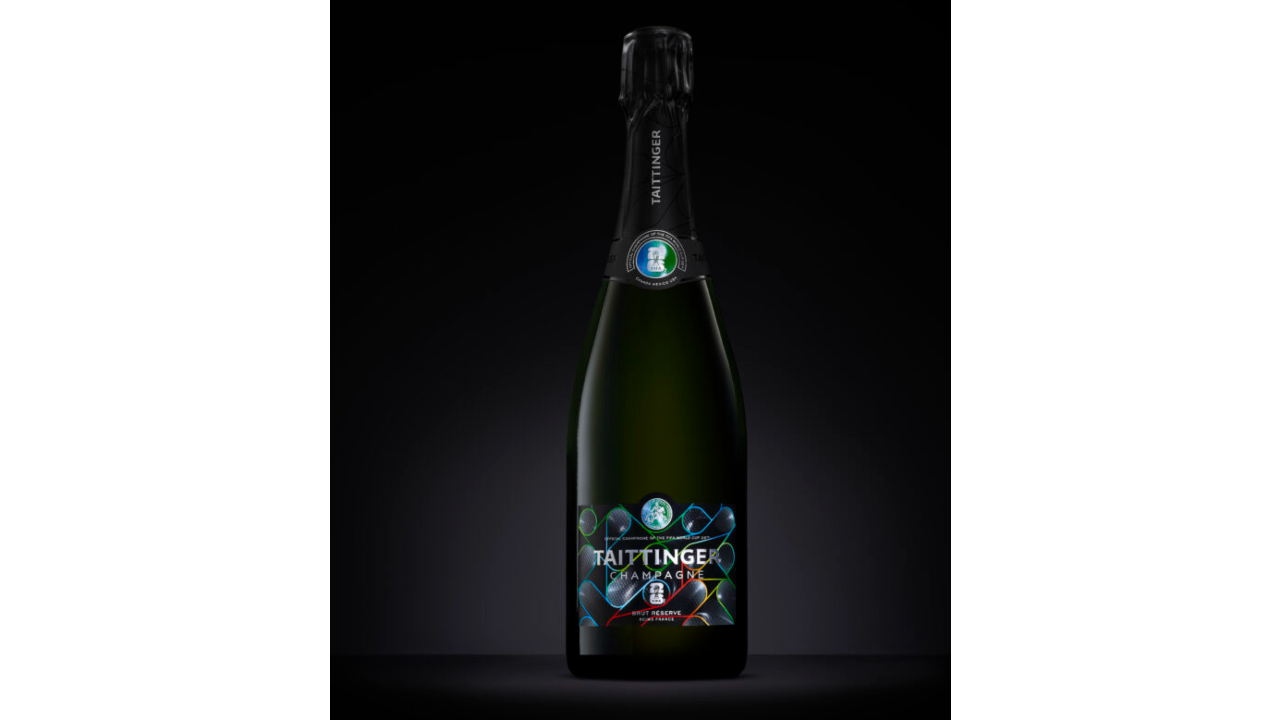
Taittinger Brut Prestige Rosé Champagne combines bright fruit with the lighter, elegant character associated with Taittinger.
Laurent-Perrier Cuvée Rosé remains particularly distinctive because of its 100% Pinot Noir composition, extended cellar ageing and controlled maceration process.
Alternatives for Special Occasions
Those shopping for a celebratory bottle may also wish to consider different styles within the wider Champagne collection.
For a classic white Champagne, Laurent-Perrier La Cuvée Brut offers the house’s signature freshness and elegance in a Chardonnay-led style.
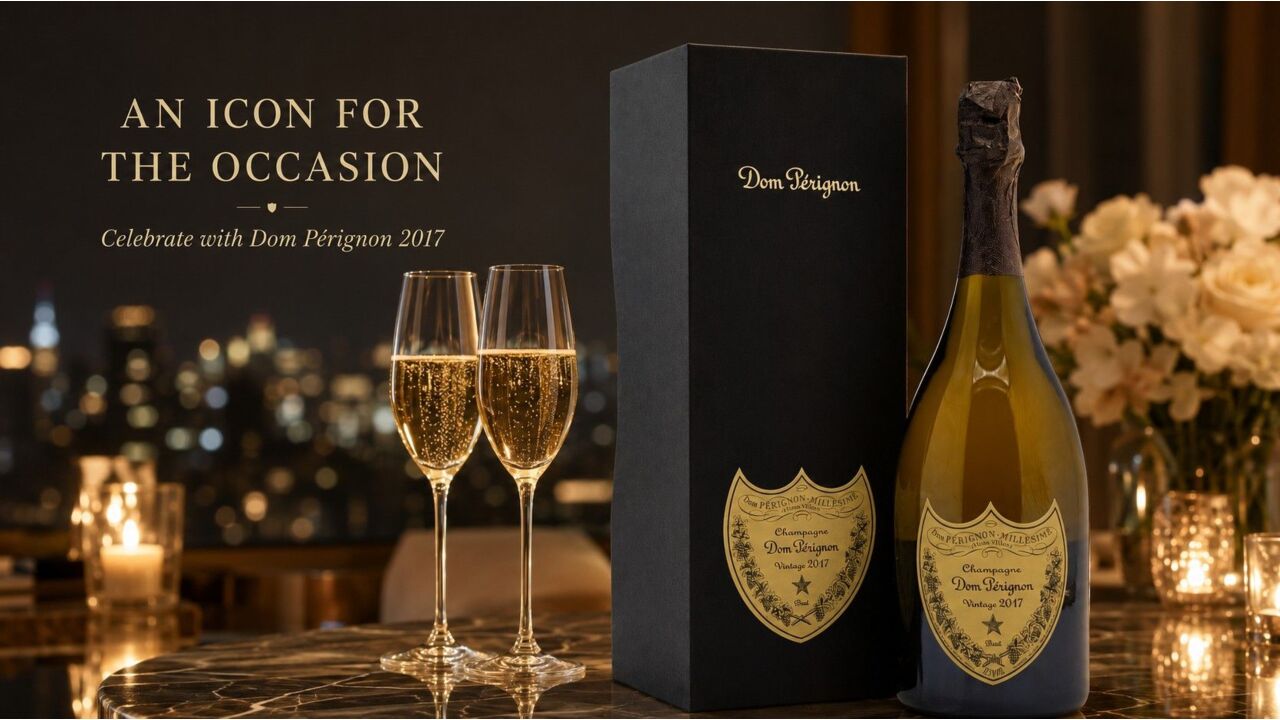
For a famous prestige cuvée, the Dom Pérignon Champagne collection offers vintage-only releases with extended ageing and strong gifting appeal.
Drinkers seeking a more complex, age-specific wine can explore the selection of vintage Champagne, where each bottle reflects the conditions and character of an individual harvest.
For collectors, special anniversaries or long-term cellaring, Hard To Find Whisky also carries a changing selection of old and rare Champagne.
Why Laurent-Perrier Cuvée Rosé Remains a Benchmark
Cuvée Rosé has remained successful because it is more than simply an attractive pink Champagne.
Its identity is grounded in a clearly defined production method. The use of 100% Pinot Noir, grapes from selected Montagne de Reims crus, controlled maceration and five years of cellar ageing gives the wine a consistency and depth that distinguish it from many simpler rosé blends.
It also occupies a useful position in the Champagne market. It is prestigious without being inaccessible, recognisable without feeling ordinary and versatile enough to work as both a celebratory aperitif and a serious food wine.
The combination of history, craftsmanship, presentation and flavour has allowed Laurent-Perrier Cuvée Rosé to remain relevant for more than 50 years, even as the wider rosé Champagne category has grown around it.
Frequently Asked Questions
Is Laurent-Perrier Cuvée Rosé made from red grapes?
Yes. It is produced exclusively from Pinot Noir, one of Champagne’s principal black grape varieties.
What is the alcohol percentage?
The standard 75cl Laurent-Perrier Cuvée Rosé is bottled at 12% ABV.
Is it a dry Champagne?
Yes. It is classified as Brut and offers a dry, fresh finish despite its ripe red-fruit flavours.
Is it suitable for vegans?
Production details and certification can change, so customers requiring a strictly vegan product should confirm the current status before purchasing.
Does it come in a gift box?
The Laurent-Perrier Cuvée Rosé available from Hard To Find Whisky is supplied in a branded gift box.
What grapes are used?
The Champagne is made from 100% Pinot Noir drawn from ten selected crus in the Montagne de Reims.
How long is it aged?
Laurent-Perrier states that Cuvée Rosé is aged for five years in its cellars.
What is the best glass for serving it?
A tulip-shaped Champagne glass or medium-sized white-wine glass allows the wine’s red-fruit aromas to develop more fully than a very narrow flute.
Can it be served with a main course?
Yes. It pairs particularly well with salmon, tuna, duck, charcuterie, roast poultry and lightly spiced dishes.
Buy Laurent-Perrier Cuvée Rosé Champagne
Laurent-Perrier Cuvée Rosé is an excellent choice for anyone looking for a premium rosé Champagne with genuine history, a distinctive production method and a reliably expressive flavour profile.
Its combination of raspberry, strawberry, redcurrant and cherry notes makes it immediately appealing, while the Pinot Noir structure, fine bubbles and clean acidity give it enough complexity for more serious dining occasions.
The presentation also makes it a natural choice for birthdays, weddings, anniversaries and other important celebrations.
Shop the Laurent-Perrier Cuvée Rosé Brut Champagne Gift Box, browse the wider Laurent-Perrier collection, or discover more bottles within the full rosé Champagne range at Hard To Find Whisky.