
















When you think about whisky, the first thought on many peoples' minds is Scotland. However, it might surprise you to learn that the highest production and consumption rates of whisky worldwide are found further afield, in India. As a country, it is broadly considered as a new player to the game - especially when compared with Scotland, but it is lesser known that the history of Indian whisky dates back to the nineteenth century. Despite this significant tenure, it was not until recently that India has been taken seriously in the whisky world.

Historically, there has been a significant shortage of grain in India. When they first started distilling spirit they had to use what was on hand, which meant fermenting molasses. As such, the resulting liquid was not recognised by the EU as “whisky”, since one of the classifications requires that the liquid is made with fermented grain. The shortage meant that blends were common, featuring a mixture of molasses and grain whisky. Now, India is one of the world’s largest producers of wheat.
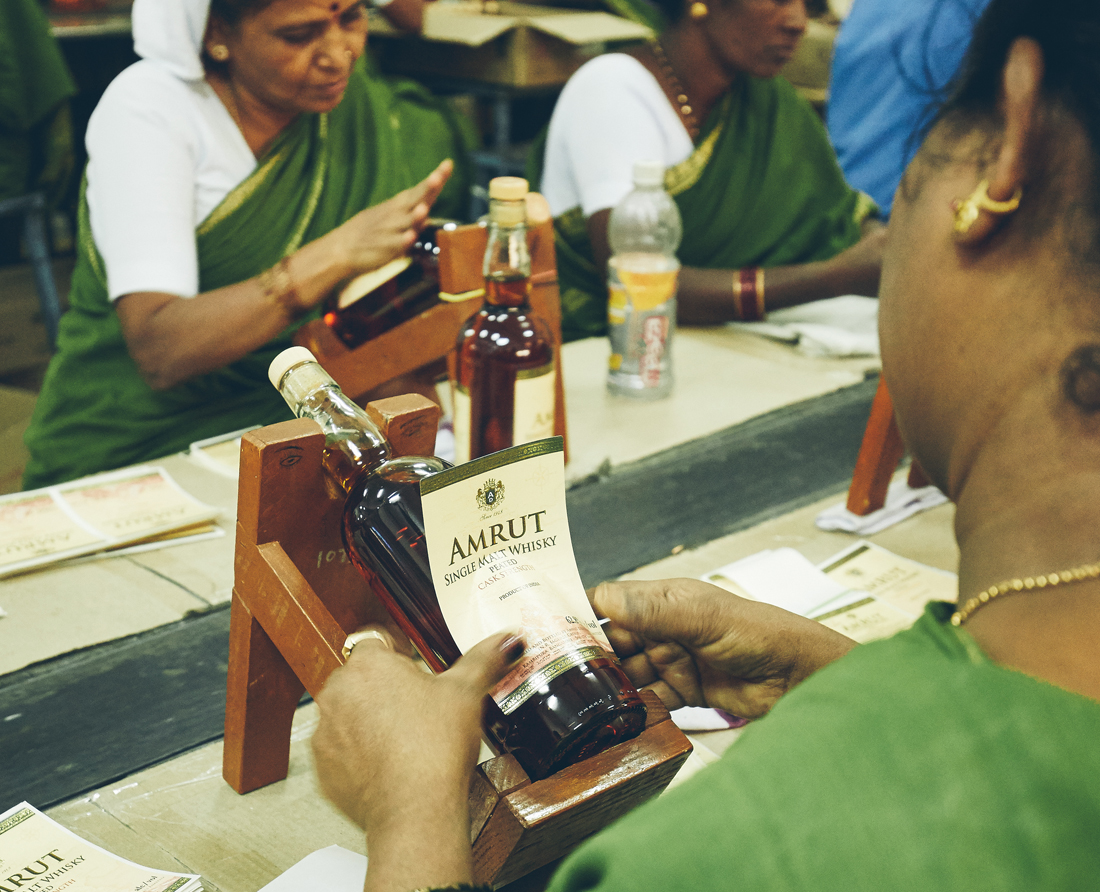
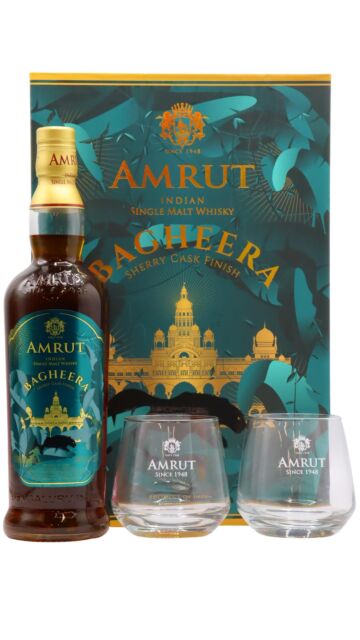
In 2004, Amrut Distilleries launched India’s first ever single malt whisky. Met with critical acclaim and compared with Speyside single malts, this release heralded a new age, placing India on the map of world whisky. Amrut have dominated the world whisky scene ever since, producing around one million litres of whisky per year.
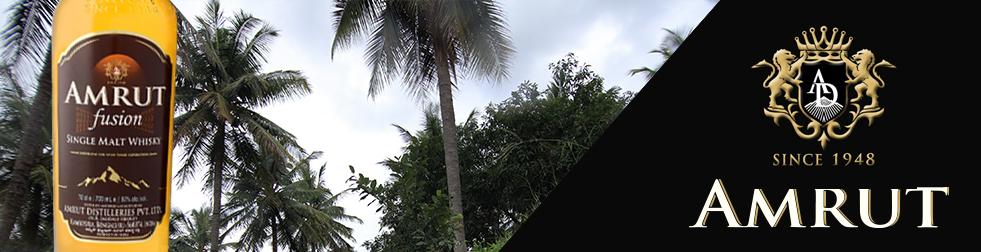
Amrut Fusion was born in 2009, creating a bridge between the great whiskies of India and Scotland. Universally enjoyed by Scotch enthusiasts, this expression has collected a multitude of awards. When we got the rare opportunity to interview Amrut’s Head of Distilling and International Sales, Ashok Chokalingam, we had to ask about Fusion.
Q: How and why did the Jagdale family start whisky production in India and what was their main motive?
Amrut Distilleries was established in 1948 as a blending and bottling unit. Malt whisky was produced to cater to the requirements of blended whiskies. Prior to this they were importing scotch malts in bulk, and it was super expensive at that time.
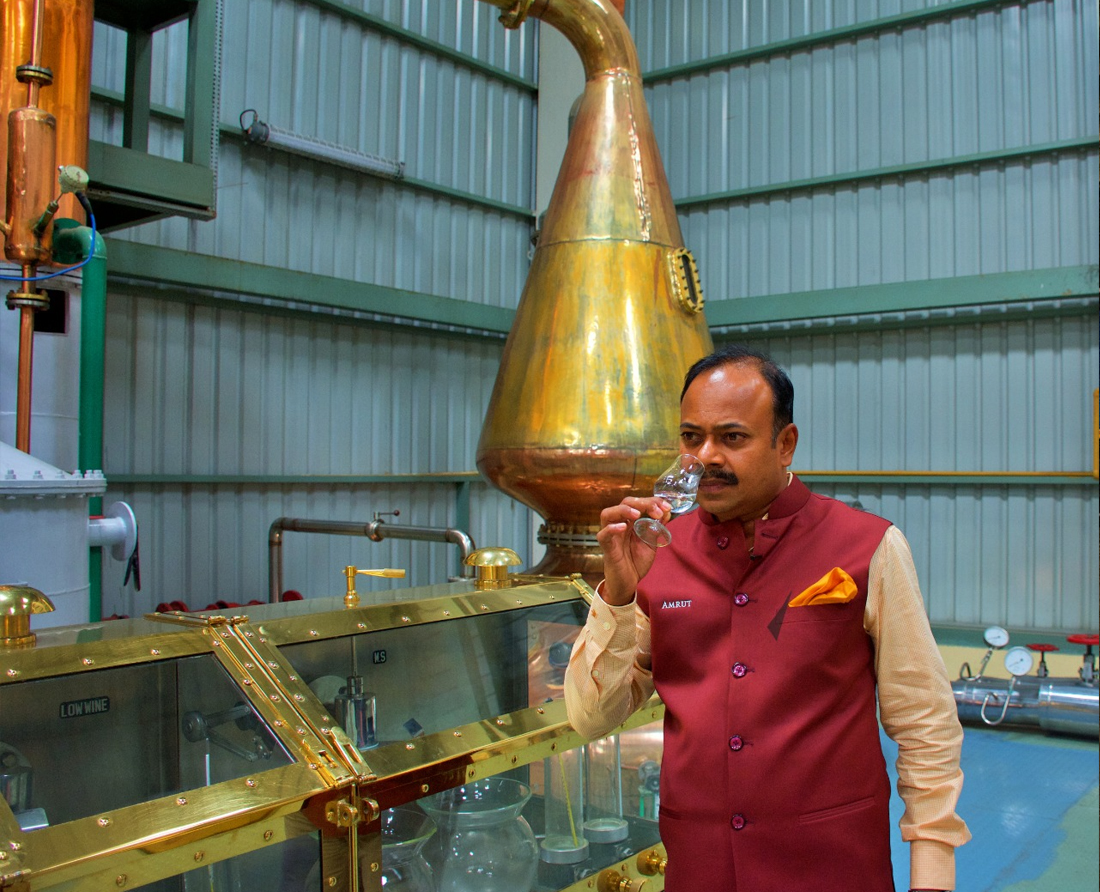
Q: How did you get involved in the company and what is your current role?
I was recruited for our single malt whisky project in 2004 and my initial role was to sell and market Amrut Single Malt Whisky brands in the UK to start with. In 2008, I assumed responsibility for the entire International Market. In 2019, I have taken an additional responsibility as a Head Distiller. My current role now is Head of International Sales & Marketing and Distilling.
Q: How has the Indian Whisky Industry changed over the years and how is the response around the world?
When we started in 2004 there was not even the world whisky category and India single malt was unheard of, and we were the only player in the market. After 2010 the things have changed and Indian single malts are a category now, and we are still the torch-bearers of Indian single malts in India and around the world.
Q: What makes Amrut whisky different to other single malt whiskies?
I always say Amrut is a missing link between Scotland and Kentucky. The way the distillation is done is similar to Scotland but on the maturation we are more towards Kentucky than Scotland because of the tropical climate in Bangalore and also high altitude distillation and maturation. This creates a unique profile on our single malt where it is fruity and chocolatey.
Q: What are the production methods that Amrut employs that you think make Amrut unique?
There are three things really. We have one of the longest fermentation in the industry with much longer time of fermentation and creates lots of tropical fruit notes on the fermented wash and that is translated into the spirit. Second, our spirit distillation is the slowest and creates a very clean and fruity spirit. Third, the maturation which is done in a low humid, high altitude and warm environment. These three factors create a signature flavour profile on our single malts.
Q: What has been your favourite Amrut product to work on?
I like all our single malts and each one is distinctively different. However, Amrut Kadhambam, Amrut Spectrum and Greedy Angels series are something I look forward to all the time.

Q: What is the future looking like at Amrut?
Great and Challenging.
Q: How was Amrut Fusion created?
It was the brainchild of our later Chairman Neel. We were low on peated single malt stock and the demand for that was more than what we have had in stock. Neel experimented mixing Indian unpeated and peated single malt distilled from Scottish peated barley. It turned out to be very complex, and we went ahead and bottled it, and now it is a universally acclaimed whisky.
Q: Amrut Fusion has become the flagship whisky from Amrut, how has it evolved over the years since its introduction?
Amrut Fusion is the largest selling Indian Single Malt Whisky in the world, and we are clocking close to 600,000 bottles worldwide, and we can not produce enough!
Thank you so much Ashok, for taking the time to answer our questions. We can't wait to see what the future has in store for Amrut! For more information, you can check out the full range here.