






















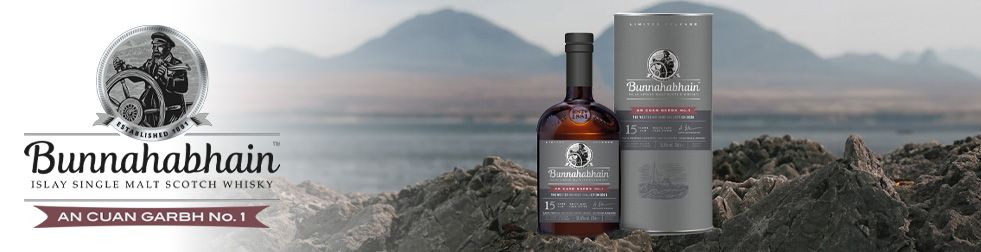
The Second Chapter in the Westering Home Collection
Among the many distinctive whiskies produced on Islay, Bunnahabhain has long occupied a unique position. Known for creating smoother, less heavily peated expressions than many of its island neighbours, the distillery has built a reputation for producing complex coastal whiskies with depth and elegance.
One of the more intriguing limited releases from the distillery is Bunnahabhain An Cuan Garbh No. 1; The second release in Bunnahabhain's Westering Home Collection, this 15 year old single malt reflects the rugged maritime environment surrounding the distillery and showcases the distinctive character of northern Islay maturation.
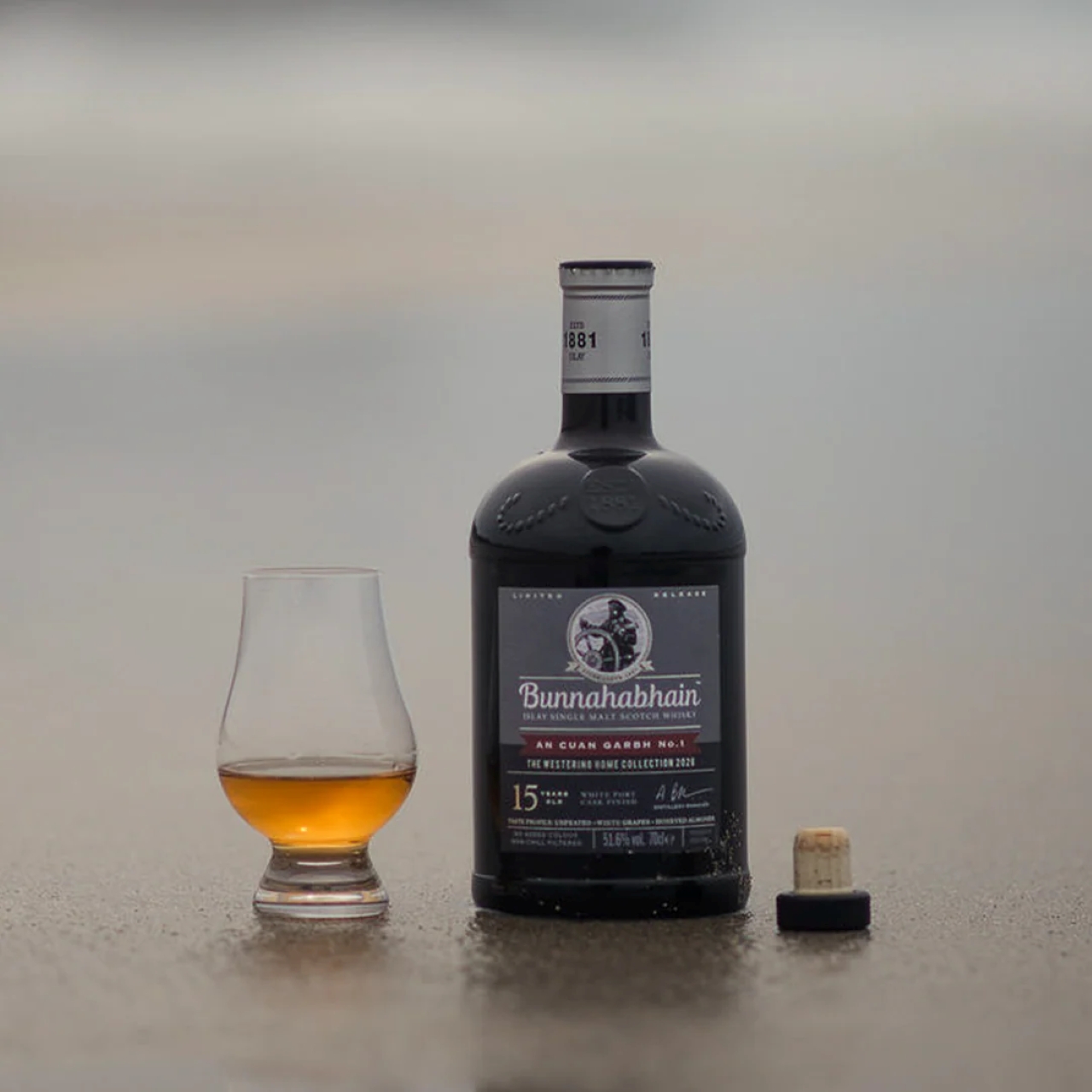
The Meaning Behind “An Cuan Garbh”
The name “An Cuan Garbh” comes from Scottish Gaelic and translates to “The Rough Seas.”
This name directly references the challenging waters surrounding Islay and the exposed coastline near the Bunnahabhain Distillery. Located on the island’s remote northeastern coast, the distillery faces the Sound of Islay - an area heavily influenced by strong sea winds and rapidly changing maritime conditions. Where the first chapter of Turas Math began with preparation, this release reflects the crossing itself: a passage defined by challenge, transformation and discovery.
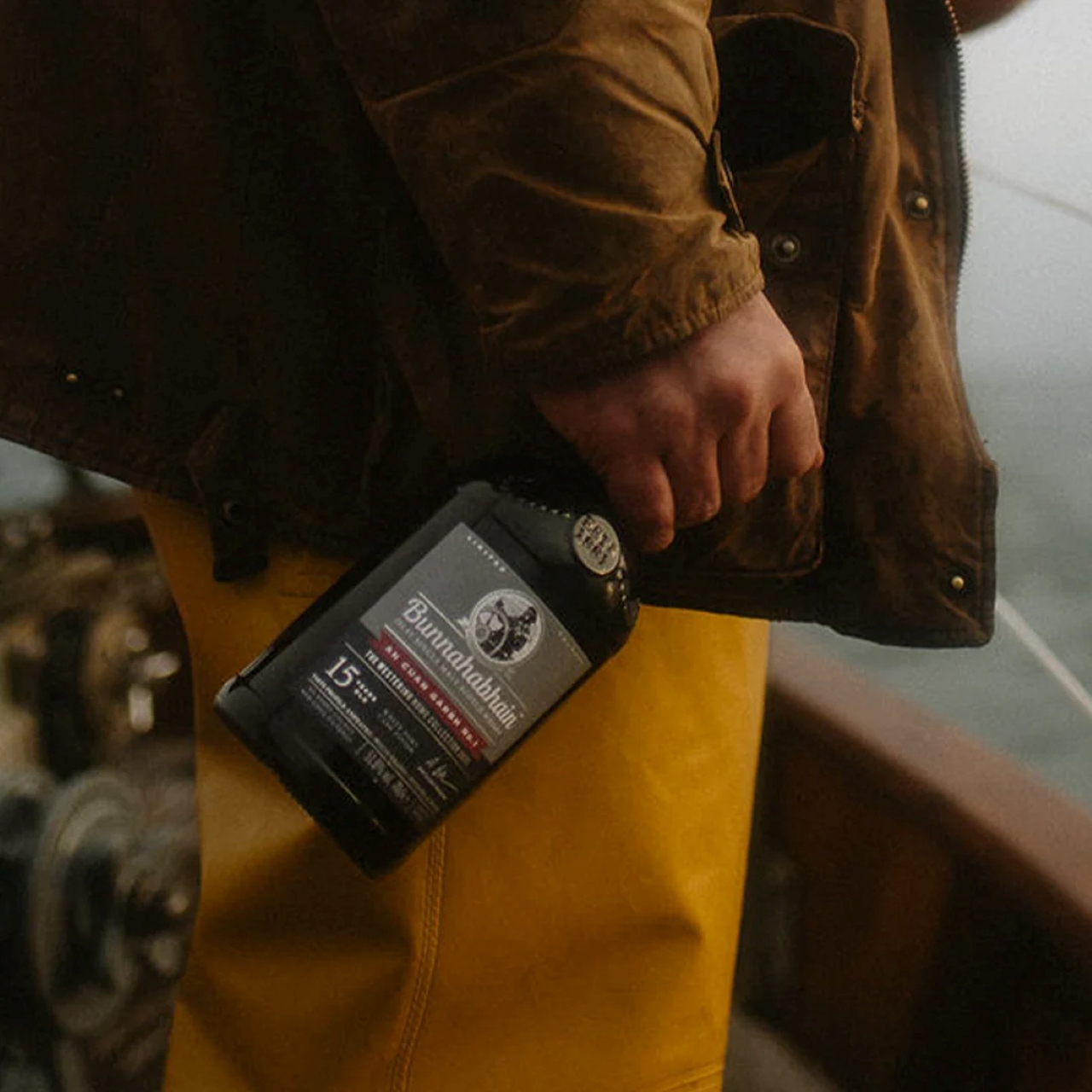
The Flavour Profile of An Cuan Garbh
Thanks to a finishing period in white port casks from Portugal’s Douro Valley, Bunnahabhain An Cuan Garbh No. 1 opens on the nose with delicate aromas of honeysuckle and elderflower, complemented by fresh orchard fruits, candied citrus and a gentle honeyed warmth. On the palate, the whisky develops layers of ripe peach and apricot alongside candied lemon zest, honeyed almonds, toasted malt and a subtle touch of ginger spice. The finish is long and satisfying, leaving behind a lingering nutty warmth balanced by sweet candied fruit notes.
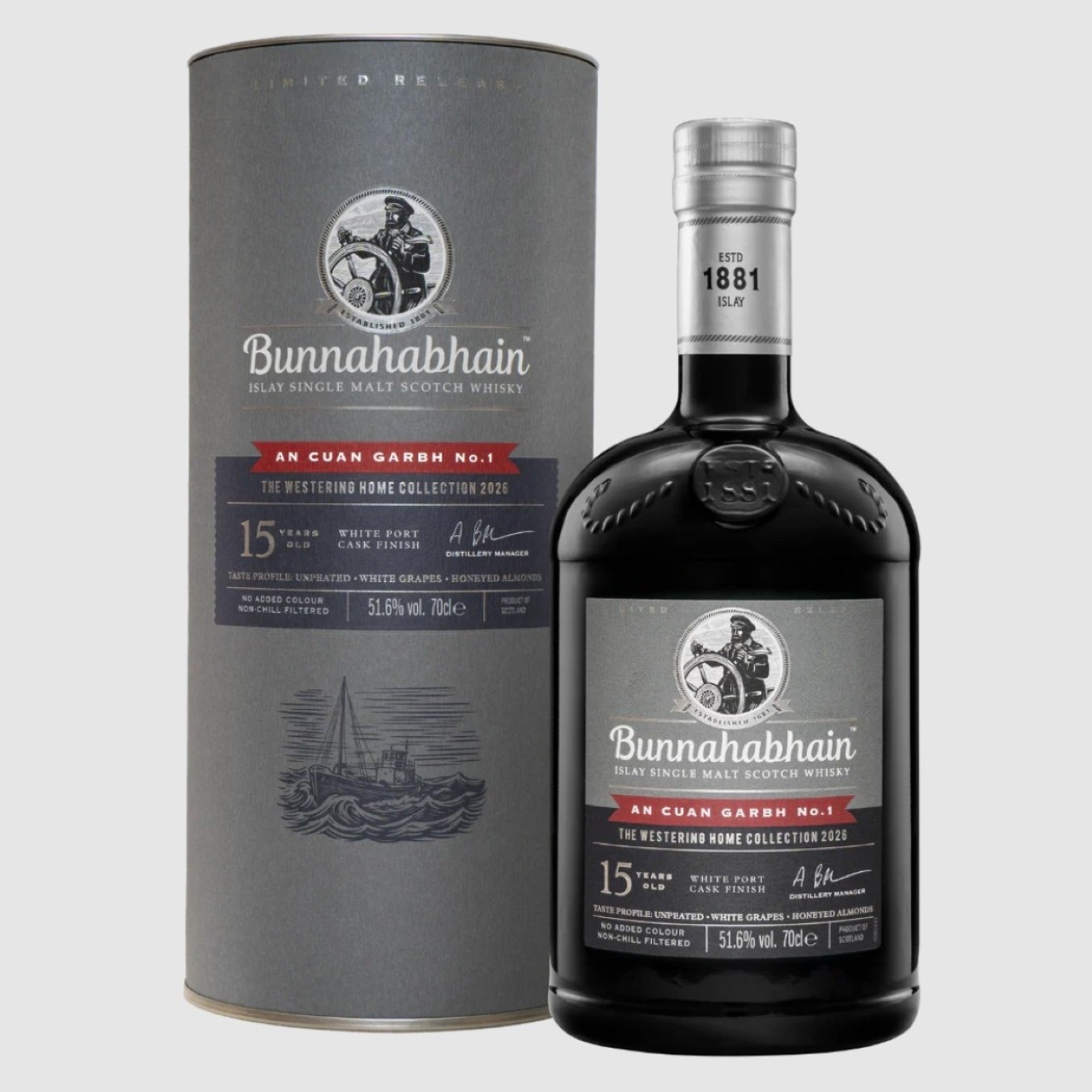
Bunnahabhain An Cuan Garbh No. 1 represents a modern interpretation of traditional Islay whisky-making, shaped by rugged coastal conditions and Bunnahabhain’s signature smooth style. By focusing on maritime character, oak complexity and regional identity, the release stands apart from many heavily peated Islay whiskies while still maintaining a strong sense of place.