About William Larue Weller
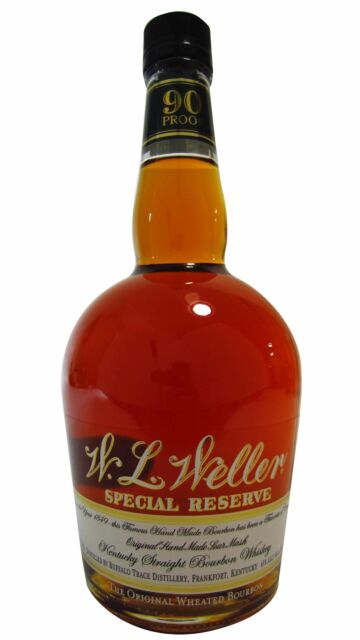
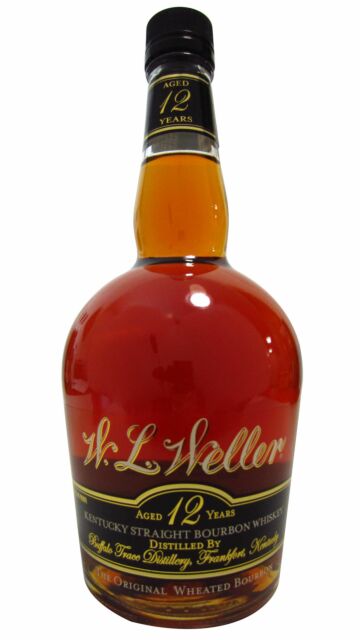
William Larue Weller takes its name from the 19th-century Kentucky whiskey merchant and distiller born in 1825. In 1849, he founded W.L. Weller & Brothers, later W.L. Weller & Sons, and became one of the key early names behind wheated bourbon, replacing rye with wheat to create a softer, smoother style.
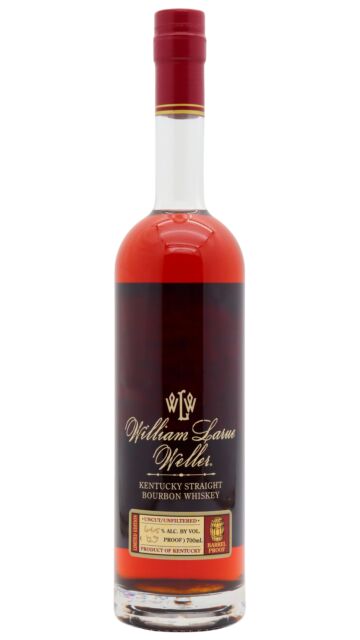
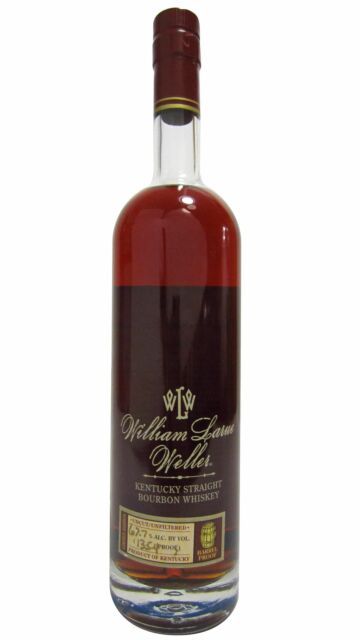
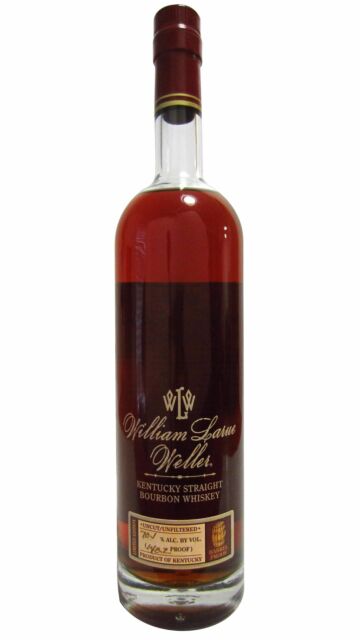
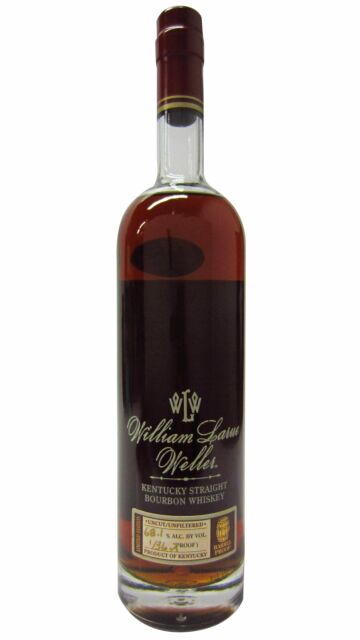
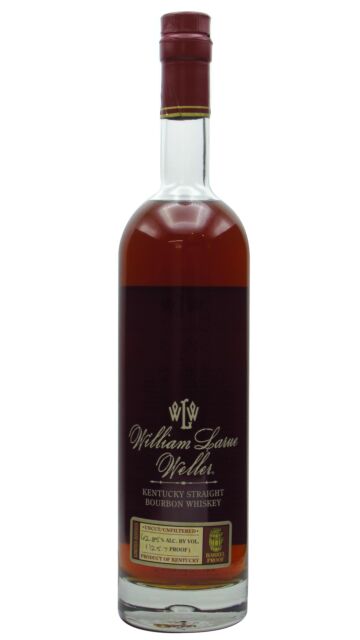
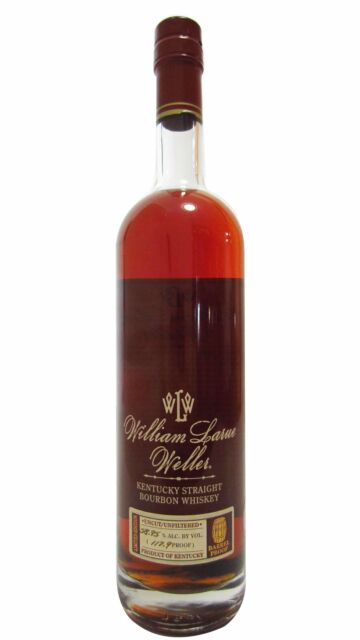
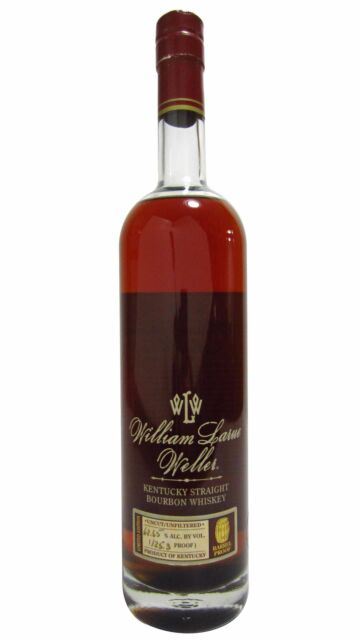
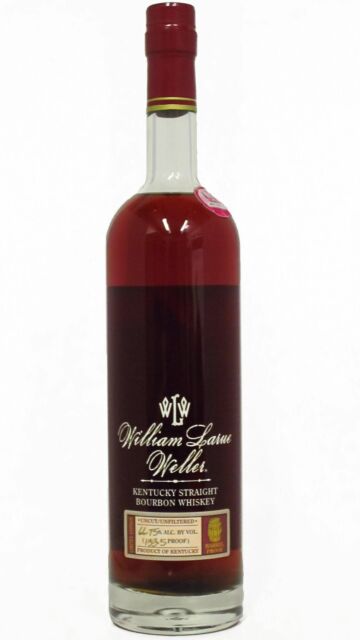
Named after William Larue Weller, the pioneer who first replaced rye with soft winter wheat in bourbon mash bills, William Larue Weller is today the cask-strength apex of the Buffalo Trace Antique Collection. Distilled at the historic Buffalo Trace Distillery, the whiskey uses the same wheated recipe behind W. L. Weller and Pappy Van Winkle but ages for 12 to 15 years in the distillery’s warmest warehouse locations. Each autumn only a few thousand bottles are drawn straight from the barrel, non-chill-filtered and bottled at natural proof – frequently 60–67 % ABV – capturing maximum viscosity, dark fruit, caramelised sugar and baking-spice complexity.
Since its first BTAC appearance in 2005, William Larue Weller has become one of the world’s most decorated bourbons, earning perennial “Whisky of the Year” accolades and sky-high scores from critics who praise its explosive nose, silky wheat sweetness and long, oak-rich finish. Because every vintage reflects unique barrel selection, enthusiasts track subtle differences in proof, age and flavour from one year to the next, driving intense demand and rapid sell-outs at retail. Older back-vintages, special UK allocations and presentation-box editions have become prized centrepieces for serious bourbon collections.