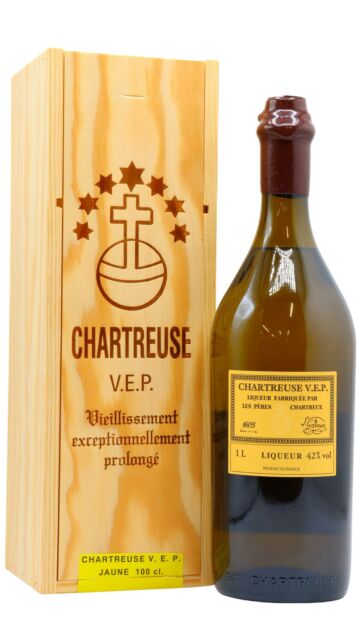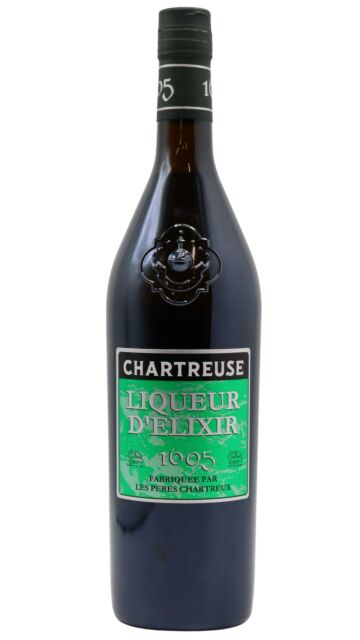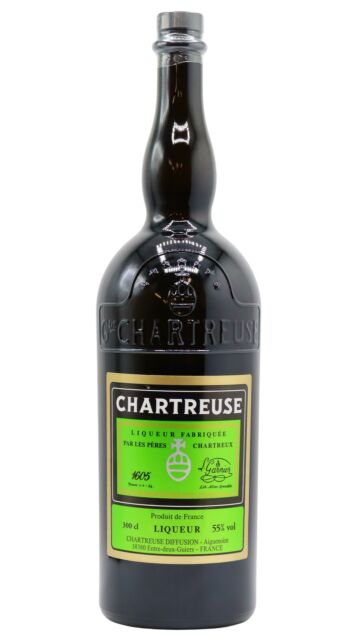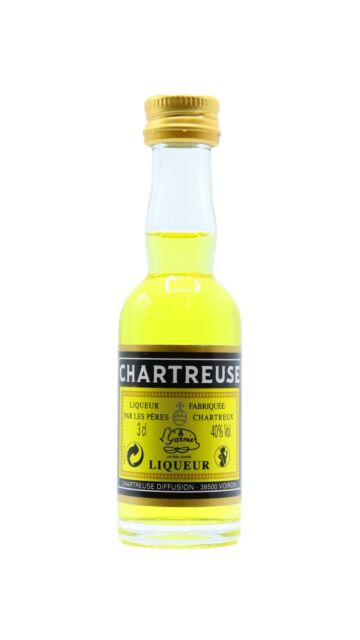

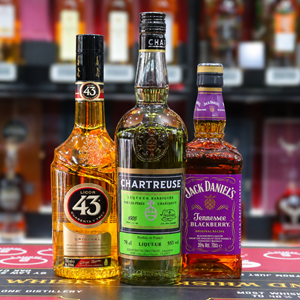
























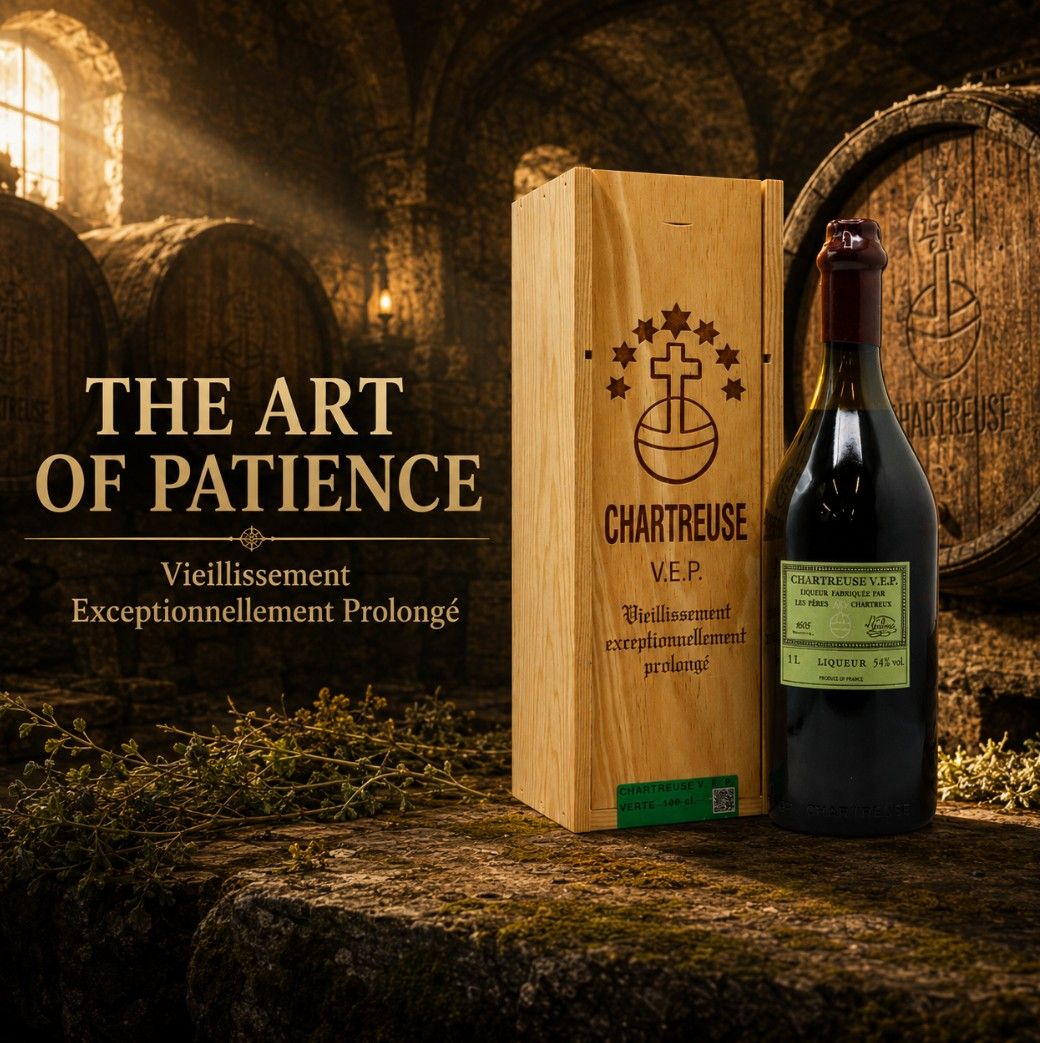
Chartreuse Green V.E.P. Herbal 2024 Liqueur is an exceptionally mature version of one of the world’s most distinctive herbal spirits.
Created from the same closely guarded recipe as Green Chartreuse, it combines alcohol, sugar, water and plant substances drawn from 130 herbs, flowers, roots, bark and spices. Selected parcels of the traditional green liqueur then undergo substantially longer maturation in oak demi-muids, allowing the intense herbal character to become deeper, more integrated and remarkably persistent.
This 2024 bottling is presented in a generous one-litre bottle at 54% ABV, closed with a wax seal and housed inside a wooden presentation box. Produced annually in limited quantities, it is intended primarily for slow after-dinner drinking rather than casual mixing.
What Is Chartreuse Green V.E.P.?
Chartreuse Green V.E.P. is an extended-ageing version of traditional Green Chartreuse produced by the Carthusian Fathers in France.
The initials V.E.P. stand for Vieillissement Exceptionnellement Prolongé, translated by the producer as Exceptionally Prolonged Aging. The expression was first produced in 1963, and the name is a registered trademark specific to Chartreuse.
Its defining features include:
- The traditional Green Chartreuse recipe
- A secret combination of 130 plants
- Selection from specially chosen green liqueur parcels
- Extended maturation in oak demi-muids
- Limited annual production
- A full-strength 54% ABV
- A large one-litre bottle
- A wax-sealed closure
- A wooden presentation box
- Bottling in 2024
The current Chartreuse Green V.E.P. 2024 listed by HTFW contains 100cl and was bottled in France during 2024.
Key Product Details
- Producer: Chartreuse
- Country: France
- Style: Exceptionally aged herbal liqueur
- Bottling year: 2024
- Botanical recipe: 130 plants
- Maturation: Extended ageing in oak demi-muids
- Bottle size: 100cl
- Strength: 54% ABV
- Closure: Wax seal
- Packaging: Wooden presentation box
- Production: Limited annual quantities
- Recommended serving temperature: 13°C to 15°C
The 2024 date refers to the year in which this release was bottled. It is not a distillation vintage or a declaration that every component was created during 2024.
What Does V.E.P. Mean?
V.E.P. is the abbreviation used by Chartreuse for an exceptionally prolonged period of ageing.
Traditional Green Chartreuse already spends a substantial period developing in large, truncated-cone oak vats. For V.E.P., the Carthusian Fathers select particular parcels of this liqueur and allow them to continue ageing for many more years in demi-muids.
A demi-muid is a large wooden vessel traditionally used for wine and spirits. Its size provides slower, more controlled contact between the liqueur and oak than a small barrel.
The additional maturation allows the herbal flavours to integrate while preserving the strength and aromatic identity of Green Chartreuse. Chartreuse describes the result as displaying great aromatic complexity and an exceptionally persistent character.
How Long Is Chartreuse Green V.E.P. Aged?
Chartreuse does not publish a precise age statement for Green V.E.P.
The producer confirms that selected Green Chartreuse parcels continue ageing for many years in demi-muids, but it does not state a fixed minimum or exact period for every bottling.
The absence of a declared age allows the Carthusian Fathers to determine when each parcel has developed the required balance, complexity and persistence.
The 2024 bottling year should therefore not be treated as its age. It identifies when the liqueur was placed into the final bottle rather than when its botanical components were first distilled or macerated.
What Is the Difference Between Ageing and Bottling Year?
The two details describe separate stages.
- Ageing is the time the liqueur spends developing in oak before bottling.
- Bottling year records when the finished V.E.P. was removed from its ageing vessel and placed into bottles.
- Bottle age is the time that has passed since the liqueur was bottled.
This release was bottled in 2024 after its exceptionally prolonged maturation.
Chartreuse also states that its traditional green liqueur continues to evolve and develop complexity after bottling, making careful storage especially important for older or collectable examples.
Made from 130 Plants
The recipe behind Chartreuse contains 130 plants.
The complete selection and precise proportions remain confidential. The producer describes the ingredients broadly as plants, flowers, roots, bark and spices, but it does not publish a full botanical list.
This enormous botanical composition creates a flavour considerably more complex than a simple mint, anise or Alpine-herb liqueur.
The profile can move between:
- Fresh herbs
- Mint
- Pine sap
- Citrus peel
- Pepper
- Roots
- Flowers
- Resin
- Sweet spices
- Bitter tea
- Vegetal freshness
- Natural sweetness
The strength and balance of these elements change with serving temperature, dilution and time in the glass.
Who Knows the Secret Chartreuse Recipe?
The complete formula remains known only within the Carthusian Order.
Chartreuse’s official history states that the secret formula is retained close to the Grande Chartreuse monastery, where the only two people who know the complete recipe reside.
The secrecy covers more than a list of ingredients. It also protects:
- Exact botanical quantities
- Preparation methods
- Distillation sequences
- Maceration techniques
- Blending proportions
- The timing of individual stages
This continuity has allowed Chartreuse to retain a unique identity despite centuries of political upheaval, relocation and changing production facilities.
How Is Green Chartreuse Made?
The precise formula remains secret, but Chartreuse publishes an outline of the main production stages.
Preparing the Plants
The botanical materials are ground and prepared by the monks in the plant room at the Grande Chartreuse monastery.
Distillation
Selected plants are distilled to capture and concentrate their aromas.
Maceration
Different macerations extract flavour compounds and provide the liqueur’s naturally green appearance.
Oak Ageing
The traditional Green Chartreuse is aged for a long period in large, truncated-cone oak vats.
V.E.P. Selection
Certain parcels are selected for additional ageing in demi-muids, eventually becoming Green V.E.P.
The process takes considerably more than simply placing herbs into alcohol. Distillation, maceration, blending, ageing and final selection all contribute to the finished profile.
Is the Green Colour Natural?
Yes. Green Chartreuse receives its colour naturally through the plants and maceration process rather than relying on an artificially created green appearance.
The producer explains that different macerations extract active compounds from the botanicals and give the liqueur its characteristic natural colour.
The exact shade can change gradually with age and exposure to light.
For this reason, Chartreuse bottles should be protected from prolonged direct sunlight. The wooden box supplied with the V.E.P. presentation provides additional protection as well as enhancing its collector appeal.
The History of Chartreuse
Chartreuse’s history stretches back more than four centuries.
In 1605, François-Annibal d’Estrées presented the Carthusian monks in Paris with a mysterious manuscript containing a list of plants and directions for preparing an “Elixir of Long Life”. The formula was highly complicated, and more than a century passed before the document was transferred to the Grande Chartreuse monastery for further development.
Brother Jérôme Maubec eventually developed an effective formula during the 18th century. The Élixir Végétal de la Grande-Chartreuse was formally established in 1764, using a recipe that the producer states has remained unchanged since that date.
Green Chartreuse and Yellow Chartreuse followed in 1840, creating the two principal liqueurs that would establish the Chartreuse name internationally.
The Origins of the Carthusian Order
The Carthusian Order traces its history to 1084, when Bruno of Cologne and six companions settled in the mountainous Chartreuse region.
They established a religious life centred on silence, contemplation, prayer and relative isolation. Self-sufficiency became an important part of the Order’s existence, with the monks undertaking activities including forestry, farming, fish cultivation and metalworking.
The liqueur later became one means of supporting this monastic life.
Chartreuse remains unusual because commercial demand has not replaced the spiritual purpose of the Order. The liqueur continues to support the community rather than acting as the central reason for its existence.
From the Elixir to Green Chartreuse
The original Élixir Végétal remains the most concentrated historic expression.
It is bottled at 69% ABV and retains the 130-plant recipe developed from the manuscript received in 1605. The Elixir was historically used in small quantities, including in herbal tea, toddies and drops added to sugar.
Green Chartreuse emerged as a more accessible liqueur in 1840. It retained the complex herbal foundation but developed into a drink suitable for sipping, cocktails and culinary use.
V.E.P. arrived in 1963, giving the Carthusian Fathers an opportunity to present the familiar Green and Yellow styles after substantially longer oak ageing.
Where Is Chartreuse Made?
Chartreuse is produced in the Chartreuse region of southeastern France.
The official history connects production closely with the mountain range and the Grande Chartreuse monastery, apart from periods when the Carthusians were expelled from France and operated elsewhere.
The production facilities have changed during the liqueur’s long history, but responsibility for the recipe and botanical preparation has remained with the Carthusian Fathers.
The distinctive relationship between monastery, mountain region and secret formula forms an essential part of Chartreuse’s identity.
Why Is Chartreuse Green V.E.P. Rare?
Green V.E.P. is produced annually in limited quantities.
Its scarcity reflects:
- The highly restricted secret recipe
- Labour-intensive botanical preparation
- Selection from suitable Green Chartreuse parcels
- Many additional years of oak ageing
- Limited V.E.P. stocks
- Traditional presentation
- Strong global demand
- The Order’s decision not to pursue unlimited production growth
The Carthusian monks decided not to increase Chartreuse volumes simply to satisfy rising demand, explaining that their principal objective remains protecting monastic life and devoting time to solitude and prayer.
V.E.P. is even more restricted because only selected liqueur is committed to its exceptionally long maturation programme.
The 2024 Presentation
The 2024 Green V.E.P. is bottled in a one-litre format rather than the more familiar 70cl size used for standard Green Chartreuse.
The bottle is closed with a wax seal and placed inside a fitted wooden presentation box. The release is bottled at 54% ABV, one percentage point below the current standard Green Chartreuse at 55% ABV.
The box serves several purposes:
- Protecting the bottle from light
- Supporting secure storage
- Emphasising the exceptional release
- Preserving its presentation condition
- Increasing gifting and collector appeal
The wax seal should be inspected carefully when purchasing an older or collectable bottle, as damage or leakage can affect condition.
What Does Chartreuse Green V.E.P. Taste Like?
Chartreuse does not publish a separate detailed botanical tasting list for every annual V.E.P. bottling.
The profile below combines the official character of Green Chartreuse with the greater complexity and persistence attributed to the prolonged V.E.P. maturation.
Tasting Notes
Colour: Deep natural green with golden and olive highlights.
Nose: Powerful and concentrated with Alpine herbs, mint, pepper and pine sap. Citrus peel, flowers, roots and sweet spices develop beneath the fresh vegetal character.
Palate: Full-bodied and intensely aromatic with mint, pine resin, citrus and sweet herbs. Prolonged ageing brings greater integration, allowing pepper, bitter roots, oak and natural sweetness to develop gradually rather than appearing all at once.
Finish: Exceptionally long and persistent with herbal oils, bittersweet tea, citrus peel, warming spice, resin and mature oak.
The liqueur changes considerably as it rests in the glass. Cooler temperatures emphasise freshness and structure, while gradual warming reveals greater sweetness, spice and botanical depth.
Is Green V.E.P. Sweeter Than Standard Green Chartreuse?
The underlying recipe and herbal identity remain closely connected with standard Green Chartreuse.
V.E.P. does not simply add more sugar. Its distinguishing feature is additional time in oak, which allows the botanical, alcoholic and sweet components to become more integrated.
Standard Green can feel sharper, more immediate and more intensely peppery. V.E.P. delivers a rounder progression with greater maturity and a longer finish.
Both remain powerful herbal liqueurs rather than soft dessert drinks.
How Strong Is Chartreuse Green V.E.P.?
Green V.E.P. is bottled at 54% ABV.
This is unusually strong for a liqueur and places it above many standard whiskies, rums, gins and vodkas.
The high strength contributes to:
- A concentrated botanical aroma
- A warming palate
- Strong flavour persistence
- The ability to withstand small amounts of dilution
- Long bottle stability
- Its effectiveness in very small cocktail measures
Its sweetness can make the alcoholic strength feel less obvious, so it should be poured carefully and enjoyed slowly.
How Should Green V.E.P. Be Served?
Chartreuse recommends serving Green V.E.P. as a digestif between 13°C and 15°C.
This temperature is cool enough to control the alcohol while remaining warm enough for its aromatic complexity to develop.
Serving it directly from a very cold freezer may suppress some of the mature herbal and oak aromas.
For the best experience:
- Cool the bottle gently if required.
- Pour a small measure into a narrow liqueur or tasting glass.
- Allow it to rest for several minutes.
- Taste it slowly.
- Notice how the flavour changes as it warms.
A serving of approximately 15ml to 25ml is sufficient because of the intensity and 54% ABV.
Serve Green V.E.P. Neat
Neat serving is the best place to begin.
Method
- Bring the liqueur to approximately 13°C to 15°C.
- Pour 15ml to 25ml into a small tulip-shaped glass.
- Allow it to rest for several minutes.
- Smell carefully without placing the nose deeply into the glass.
- Take a very small first sip.
- Allow the botanical oils and sweetness to coat the palate.
- Return to the glass as it gradually warms.
The flavour can change from mint and citrus into pine, pepper, roots, tea and mature herbal sweetness.
A large measure is unnecessary. The concentration and persistence make a smaller pour more rewarding.
Should Water Be Added?
A few drops of still water can help reveal additional citrus, flowers and sweet herbs.
Water may soften:
- Alcoholic heat
- Pepper
- Bitter roots
- Pine resin
- Oak dryness
It can bring forward:
- Mint
- Citrus peel
- Flowers
- Natural sweetness
- Softer spice
Add water one or two drops at a time. Excessive dilution can weaken the texture and reduce the long, concentrated finish that distinguishes V.E.P.
Can Green V.E.P. Be Served Over Ice?
It can be served over ice, but neat service at 13°C to 15°C is the producer’s principal recommendation.
One large cube will cool and gradually dilute the liqueur. This creates a softer, more refreshing drink but may temporarily reduce its mature oak and floral complexity.
For anyone tasting V.E.P. for the first time, the best approach is:
- Taste it neat.
- Add several drops of water.
- Try a later measure over one large cube.
- Compare how temperature changes the herbal profile.
Should V.E.P. Be Used in Cocktails?
It can be used in cocktails, but its rarity, price and extended ageing make neat drinking the more natural choice.
Standard Green Chartreuse offers the same fundamental botanical identity and is generally more practical for a Last Word, Bijou, Swizzle or Chartreuse Tonic.
Using V.E.P. in a cocktail creates a richer and more luxurious version, particularly when the recipe contains few ingredients and allows the herbal liqueur to remain clearly recognisable.
Make a V.E.P. Last Word
The Last Word is one of the best-known Green Chartreuse cocktails.
The modern International Bartenders Association formula uses equal measures of gin, Green Chartreuse, maraschino liqueur and fresh lime juice. The Chartreuse producer also publishes an equal-parts version.
Ingredients
- 20ml Chartreuse Green V.E.P.
- 20ml dry gin
- 20ml maraschino liqueur
- 20ml fresh lime juice
- Ice
Method
- Add all ingredients to a cocktail shaker.
- Fill with ice.
- Shake firmly until chilled.
- Fine strain into a cold cocktail glass.
- Serve without garnish or add a small lime twist.
The V.E.P. creates a deeper and more rounded Last Word, with mature herbal and oak notes developing beneath the lime, gin and cherry.
For regular cocktail preparation, use standard Green Chartreuse and reserve the V.E.P. for a special comparison.
Make a V.E.P. Bijou
The Bijou combines Green Chartreuse, gin and sweet vermouth.
Chartreuse credits bartender Harry Johnson with developing the drink around the end of the 19th century and publishes an equal-parts recipe.
Ingredients
- 20ml Chartreuse Green V.E.P.
- 20ml dry gin
- 20ml sweet red vermouth
- Ice
- Orange peel
Method
- Add all ingredients to a mixing glass.
- Fill with ice.
- Stir until thoroughly chilled.
- Strain into a cold cocktail glass.
- Express orange peel over the surface.
- Garnish with the peel.
The vermouth adds wine, herbs and spice, while gin reinforces the botanical character.
V.E.P. gives the cocktail additional weight and a longer herbal finish.
Make a Chartreuse V.E.P. Tonic
The official Chartreuse Tonic uses one part Green Chartreuse to four parts tonic water.
Ingredients
- 25ml Chartreuse Green V.E.P.
- 100ml premium tonic water
- Plenty of ice
- Lemon or grapefruit peel
Method
- Fill a tall glass with ice.
- Add the V.E.P.
- Top slowly with tonic water.
- Stir gently.
- Garnish with citrus peel.
Tonic bitterness helps balance the liqueur’s natural sweetness, while carbonation lifts the mint, citrus and pine aromas.
Because V.E.P. is highly concentrated, a 25ml measure is more than sufficient.
Make a Chartreuse Mule
Chartreuse’s official Mule combines Green Chartreuse, citrus and ginger beer.
Ingredients
- 30ml Chartreuse Green V.E.P.
- 10ml fresh lime or lemon juice
- 100ml ginger beer
- Ice
- Lime wedge
Method
- Fill a tall glass or copper mug with ice.
- Add the V.E.P. and citrus juice.
- Top with ginger beer.
- Stir gently.
- Garnish with lime.
Ginger reinforces the pepper and spice, while citrus cuts through the sweetness.
For this type of longer drink, standard Green Chartreuse remains the more economical choice.
Make a Chartreuse Swizzle
The official Chartreuse Swizzle combines Green Chartreuse, falernum, pineapple and lime.
Ingredients
- 40ml Green Chartreuse or Green V.E.P.
- 15ml falernum
- 40ml pineapple juice
- 20ml fresh lime juice
- Crushed ice
- Mint
Method
- Add the liqueur, falernum and juices to a glass.
- Fill with crushed ice.
- Swizzle or stir vigorously until chilled.
- Add additional crushed ice.
- Garnish with mint.
Pineapple reflects the liqueur’s sweeter botanical side, while lime and falernum introduce acidity and spice.
Using V.E.P. produces a particularly concentrated version, so the recipe can be reduced to 30ml when preferred.
Make a Green Chaud
The Green Chaud combines hot chocolate with Green Chartreuse and whipped cream.
The official recipe uses 15cl of hot chocolate and 1cl of Green Chartreuse.
Ingredients
- 150ml hot chocolate
- 10ml Chartreuse Green V.E.P.
- Whipped cream
- Cocoa powder
Method
- Prepare the hot chocolate.
- Pour it into a heatproof mug.
- Add the V.E.P. and stir.
- Finish with whipped cream.
- Dust lightly with cocoa powder.
Only a small amount is needed. The intense herbal flavours remain noticeable beside chocolate, cream and cocoa.
What Food Pairs with Green Chartreuse V.E.P.?
Green V.E.P. works best with foods capable of standing alongside its intense herbal and spicy character.
Good pairings include:
- Dark chocolate
- Mint chocolate
- Alpine cheese
- Mature Comté
- Blue cheese
- Roquefort
- Crème brûlée
- Lemon tart
- Candied citrus peel
- Pistachios
- Almonds
- Herb-flavoured desserts
- Bitter chocolate truffles
- Pear tart
- Honey-based pastries
Dark chocolate provides bitterness that contrasts with the liqueur’s sweetness.
Aged cheese introduces salt and savoury depth, while citrus desserts reflect its fresher herbal and lemon-peel notes.
Green V.E.P. vs Standard Green Chartreuse
Green Chartreuse provides the clearest comparison.
| Green Chartreuse | Green Chartreuse V.E.P. |
|---|---|
| Traditional core expression | Exceptionally prolonged ageing |
| Aged in large oak vats | Selected parcels aged further in demi-muids |
| 55% ABV | 54% ABV |
| 70cl standard bottle | One-litre heritage-style bottle |
| Strong mint, pine and citrus | More integrated and persistent |
| Widely used in cocktails | Primarily suited to slow sipping |
| Standard closure and presentation | Wax seal and wooden box |
| More readily available | Produced in limited quantities |
Standard Green Chartreuse is brighter, sharper and more practical for cocktails.
V.E.P. offers a more mature and contemplative experience, with the ageing allowing the botanical intensity to develop greater depth and persistence.
Green V.E.P. vs Yellow V.E.P. 2024
Chartreuse Yellow V.E.P. 2024 is the softer companion to this release.
| Green V.E.P. 2024 | Yellow V.E.P. 2024 |
| 54% ABV | 42% ABV |
| Powerful herbal intensity | Softer and sweeter structure |
| Mint, pine, pepper and citrus | Turmeric, anise, citrus and flowers |
| Deep natural green | Intense golden yellow |
| More warming and concentrated | More delicate and rounded |
| Best for bold herbal flavours | Best for gentler spice and sweetness |
| One-litre wooden-box presentation | One-litre wooden-box presentation |
Both V.E.P. styles were first produced in 1963 and undergo exceptionally prolonged ageing.
Green V.E.P. is the stronger and more forceful expression.
Yellow V.E.P. will suit drinkers who prefer softer florals, anise, spice and greater perceived sweetness.
Green V.E.P. 2024 vs Green V.E.P. 2023
HTFW also lists the Chartreuse Green V.E.P. 2023.
| Green V.E.P. 2024 | Green V.E.P. 2023 |
| Bottled in 2024 | Bottled in 2023 |
| 54% ABV | 54% ABV |
| One-litre bottle | One-litre bottle |
| Extended demi-muid ageing | Extended demi-muid ageing |
| Wax-sealed presentation | Wax-sealed presentation |
| Current annual bottling | Previous annual bottling |
The year difference identifies the bottling release rather than a different core recipe.
As with other aged botanical products, subtle variation may exist between annual selections, storage conditions and time in bottle. Neither should be assumed automatically superior solely because it is older or newer.
Green V.E.P. vs Yellow Chartreuse
Yellow Chartreuse was created in 1840 and is currently bottled at 43% ABV.
| Green V.E.P. | Yellow Chartreuse |
| Exceptionally prolonged ageing | Traditional Yellow expression |
| 54% ABV | 43% ABV |
| Powerful mint, pine and herbs | Softer turmeric, citrus and anise |
| Long, concentrated finish | Floral and gently spiced finish |
| Limited one-litre release | Regular 70cl release |
| Wooden presentation box | Standard presentation |
| Best for slow sipping | Suitable for sipping and cocktails |
Yellow Chartreuse provides a considerably gentler introduction to the category.
Green V.E.P. is aimed at drinkers already comfortable with highly concentrated herbal spirits.
Green V.E.P. vs Élixir Végétal
Chartreuse Élixir Végétal is the most concentrated historic expression in the range.
| Green V.E.P. | Élixir Végétal |
| Exceptionally aged herbal liqueur | Historic herbal elixir |
| 54% ABV | 69% ABV |
| One-litre bottle | 10cl bottle |
| Designed for slow sipping | Often used in drops or very small amounts |
| Mature and rounded | Highly concentrated and medicinally herbal |
| Oak-aged complexity | Closely connected with the 1764 formula |
| Wax seal and wooden box | Small bottle protected by a wooden case |
The Elixir is not simply a stronger version of Green Chartreuse. Its production, concentration and traditional uses are distinct.
V.E.P. is the better choice for tasting as a conventional after-dinner liqueur, while the Elixir is commonly used in extremely small quantities.
Explore More Chartreuse at HTFW
The Chartreuse collection includes traditional liqueurs, exceptional cuvées, large formats and regional French specialities.
Green Chartreuse
Green Chartreuse is the classic 55% ABV expression with herbs, pepper, mint, pine sap, citrus and bittersweet tea.
Yellow Chartreuse
Yellow Chartreuse offers a softer 43% ABV profile built around turmeric, citrus, anise and flowers.
Green and Yellow Bundle
The Chartreuse Green and Yellow Liqueur Bundle provides an opportunity to compare the two traditional styles directly.
Yellow V.E.P. 2024
Chartreuse Yellow V.E.P. 2024 receives the same broad extended-ageing treatment in a softer 42% ABV presentation.
Élixir Végétal
Chartreuse Élixir Liqueur is bottled at 69% ABV and retains the historic connection with the 1764 Elixir formula.
Noix des Pères
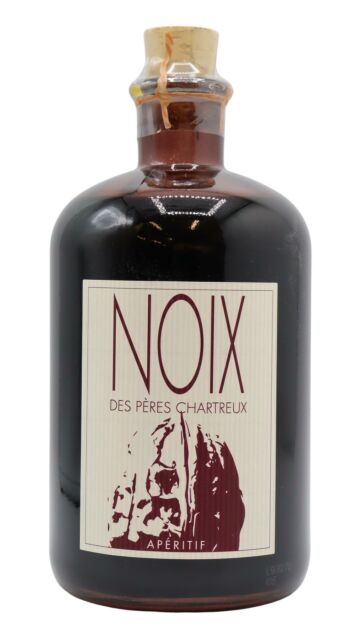
Chartreuse Noix des Pères is a traditional French walnut liqueur combining green walnuts with herbs and spices.
Is Green Chartreuse V.E.P. Collectable?
Yes. Green V.E.P. has substantial collector appeal.
Important features include:
- Limited annual production
- A declared 2024 bottling year
- The exceptionally prolonged ageing process
- One-litre format
- Wax-sealed closure
- Wooden presentation box
- Historic monastic producer
- High global demand for Chartreuse
- A recipe unavailable from any other producer
Collector condition depends on more than whether the bottle remains unopened.
Important details include:
- Wax condition
- Fill level
- Label condition
- Wooden-box condition
- Evidence of leakage
- Sunlight exposure
- Storage temperature
- Provenance
Future financial value cannot be guaranteed. Its strongest appeal remains the opportunity to own and taste one of Chartreuse’s most mature official expressions.
Should Chartreuse V.E.P. Be Opened?
That depends on whether the bottle was purchased for drinking, collecting or gifting.
Opening the bottle provides access to a liqueur specifically selected for its mature complexity and persistence. It allows the drinker to compare decades of Chartreuse tradition with the brighter profile of the standard Green expression.
Keeping it sealed preserves:
- The original wax
- Presentation condition
- Collector appeal
- The exact 2024 bottling state
The one-litre size provides enough liquid for careful tasting over a long period, provided the bottle is resealed and stored correctly after opening.
How to Open the Wax Seal
The seal should be opened carefully to avoid damaging the bottle or allowing wax fragments to fall into the neck.
A practical method is:
- Place the bottle upright on a stable surface.
- Identify the line of the closure beneath the wax.
- Score the wax gently around the neck using a small, clean blade.
- Remove only enough wax to expose the stopper.
- Wipe away loose fragments.
- Open the bottle slowly.
- Retain the removed wax and packaging when collector condition matters.
Do not apply excessive heat to the closure, as this may damage the stopper, label or liqueur.
Anyone purchasing the bottle purely for collection should leave the seal untouched.
How Should Chartreuse Green V.E.P. Be Stored?
Store the bottle:
- Standing upright
- Inside its wooden box
- Away from direct sunlight
- At a stable room temperature
- Away from radiators and excessive heat
- In a dry environment
- With the wax and stopper protected
- On a secure, level surface
The naturally coloured liqueur should be protected from strong light, which can alter its appearance over time.
Unlike wine, the bottle should not be stored horizontally. Prolonged contact between a high-strength liqueur and the stopper can cause deterioration or leakage.
Once opened, replace the stopper securely and minimise unnecessary temperature changes.
Is Green V.E.P. a Good Gift?
Chartreuse Green V.E.P. is suited to significant gifting occasions rather than casual presents.
It is particularly appropriate for:
- Chartreuse enthusiasts
- Cocktail professionals
- Collectors of rare liqueurs
- Fans of French food and drink
- Herbal-spirit enthusiasts
- A milestone birthday
- Retirement
- A major anniversary
- A luxury Christmas present
- A serious home-bar collection
- Someone interested in monastic drinks
- A recipient who already owns standard Green Chartreuse
The wooden box, one-litre bottle and wax seal make the release feel complete without requiring additional gift packaging.
It is less suitable for someone completely unfamiliar with herbal liqueurs, as the 54% ABV and intense botanical profile can be challenging.
Is It Suitable for Chartreuse Beginners?
Green V.E.P. can be enjoyed by a newcomer, but it is not the easiest place to begin.
A more natural introduction would be:
- Yellow Chartreuse for softer sweetness and spice.
- Green Chartreuse for the classic herbal profile.
- Green V.E.P. for extended-ageing complexity.
- Élixir Végétal for the most concentrated historic style.
Experienced spirits drinkers may appreciate V.E.P. immediately, particularly when they enjoy cask-aged herbal spirits, amaro, absinthe, Alpine liqueurs or intensely botanical gin.
Why Chartreuse Green V.E.P. 2024 Stands Out
The release offers:
- A recipe derived from the historic Chartreuse tradition
- 130 botanical ingredients
- Production overseen by the Carthusian Fathers
- A formula known in full only within the Order
- Selection from traditional Green Chartreuse
- Exceptionally prolonged ageing
- Maturation in oak demi-muids
- Limited annual quantities
- A declared 2024 bottling
- A full 54% ABV
- A large one-litre bottle
- A traditional wax seal
- A fitted wooden presentation box
- Powerful herbal and peppery aromas
- Mint, pine sap and citrus
- A remarkably long and complex finish
- Strong drinking, gifting and collector appeal
Few liqueurs combine this level of botanical complexity, production secrecy, monastic history and prolonged oak maturation.
Why Buy Chartreuse Green V.E.P. at HTFW?
Hard To Find Whisky stocks Green V.E.P. alongside traditional Chartreuse, previous annual bottlings, Yellow V.E.P., the historic Elixir and unusual limited releases.
Customers ordering from HTFW benefit from:
- Authentic bottles sourced through established suppliers
- Secure packaging for wax-sealed and collectable bottles
- Fully insured priority shipping
- Same-day dispatch on qualifying orders placed before 4:30pm
- UK and international delivery options
- Free personalised gift messaging
- Access to rare and discontinued spirits
- A family-run specialist trading since 1991
- A Birmingham retail store for in-person shopping
The current listing contains one litre of Chartreuse Green V.E.P. bottled in 2024 at 54% ABV, supplied with a wax seal and wooden box.
Explore the complete Chartreuse collection or browse the wider range of liqueurs at HTFW.
Final Thoughts
Chartreuse Green V.E.P. 2024 presents the legendary French herbal liqueur at its most mature and contemplative.
The foundation remains the secret recipe of 130 plants associated with the Carthusian Fathers. Herbs, flowers, roots, bark and spices are distilled and macerated before the traditional liqueur begins its long oak maturation.
For V.E.P., selected parcels continue ageing for many additional years in demi-muids. Time allows the powerful mint, pine, citrus, pepper and bitter-herb flavours to integrate, creating greater depth and an extraordinarily persistent finish.
The one-litre bottle, wax seal and wooden box underline its exceptional position within the Chartreuse range, while the 2024 bottling year gives collectors a clearly identifiable annual release.
It should be tasted first as the producer intends: a small neat measure served between 13°C and 15°C. Water, ice or cocktails can follow, but the mature botanical complexity deserves to be explored without distraction.
For Chartreuse collectors, professional bartenders and drinkers fascinated by historic herbal spirits, Green V.E.P. remains one of the most distinctive liqueurs available.
Shop Chartreuse Green V.E.P. Herbal 2024 Liqueur now at HTFW.
Frequently Asked Questions
What is Chartreuse Green V.E.P.?
It is a limited, exceptionally aged version of Green Chartreuse produced from the same secret recipe and matured for many additional years in oak demi-muids.
What does V.E.P. stand for?
V.E.P. stands for Vieillissement Exceptionnellement Prolongé, translated as Exceptionally Prolonged Aging.
When was Chartreuse V.E.P. first produced?
Green and Yellow V.E.P. were first produced in 1963.
What does the 2024 date mean?
It identifies the year in which this release was bottled. It is not a declared distillation vintage or age statement.
How old is Green V.E.P.?
Chartreuse does not publish a precise age. The producer states that selected Green Chartreuse continues ageing for many years in demi-muids.
What is Green V.E.P. made from?
Its listed ingredients are alcohol, sugar, water and plant substances drawn from 130 plants.
Is the complete recipe public?
No. The exact botanical formula and production details remain secret within the Carthusian Order.
Who makes Chartreuse?
Chartreuse is produced under the direction of the Carthusian Fathers in France.
Where did the recipe originate?
The story begins with a mysterious manuscript given to the Carthusian monks in Paris in 1605.
When was the Élixir Végétal created?
The established Elixir formula dates to 1764.
When was Green Chartreuse created?
Green and Yellow Chartreuse were introduced in 1840.
What does Green V.E.P. taste like?
It delivers concentrated herbs, mint, pine sap, pepper and citrus with roots, bittersweet tea, mature oak and an exceptionally long finish.
What is the alcohol percentage?
Chartreuse Green V.E.P. is bottled at 54% ABV.
How large is the bottle?
The 2024 release contains 100cl, equivalent to one litre.
Does it come in a box?
Yes. The HTFW release is supplied in a wooden presentation box.
Is the bottle wax sealed?
Yes. The bottle has a wax-sealed closure.
How should Green V.E.P. be served?
Chartreuse recommends serving it as a digestif between 13°C and 15°C.
Can it be served over ice?
Yes, although neat service at the recommended temperature will reveal more of its mature aromatic complexity.
Can water be added?
A few drops can soften the strength and reveal additional citrus, floral and sweet-herbal flavours.
Can V.E.P. be used in cocktails?
Yes. It can be used in drinks such as the Last Word, Bijou and Chartreuse Tonic, although standard Green Chartreuse is more practical for regular mixing.
Is Green V.E.P. stronger than regular Green Chartreuse?
The current Green V.E.P. is bottled at 54% ABV, while standard Green Chartreuse is currently 55% ABV.
What is the difference between Green and Yellow V.E.P.?
Green V.E.P. is stronger, more intensely herbal and peppery. Yellow V.E.P. is softer, sweeter and more floral.
Is Chartreuse Green V.E.P. limited edition?
It is produced each year in limited quantities rather than as an unrestricted core release.
Is it collectable?
Yes. Its annual bottling date, limited production, wax seal, wooden box and long history give it strong collector appeal.
How should it be stored?
Keep it upright inside its wooden box, away from direct sunlight, heat and major temperature changes.